GIDEON blog

Free Demo ► Latest Updates ► Video Tutorials ►
Subscribe , j x

COVID-19 Vaccine: Do You Need It Even After Surviving COVID-19?

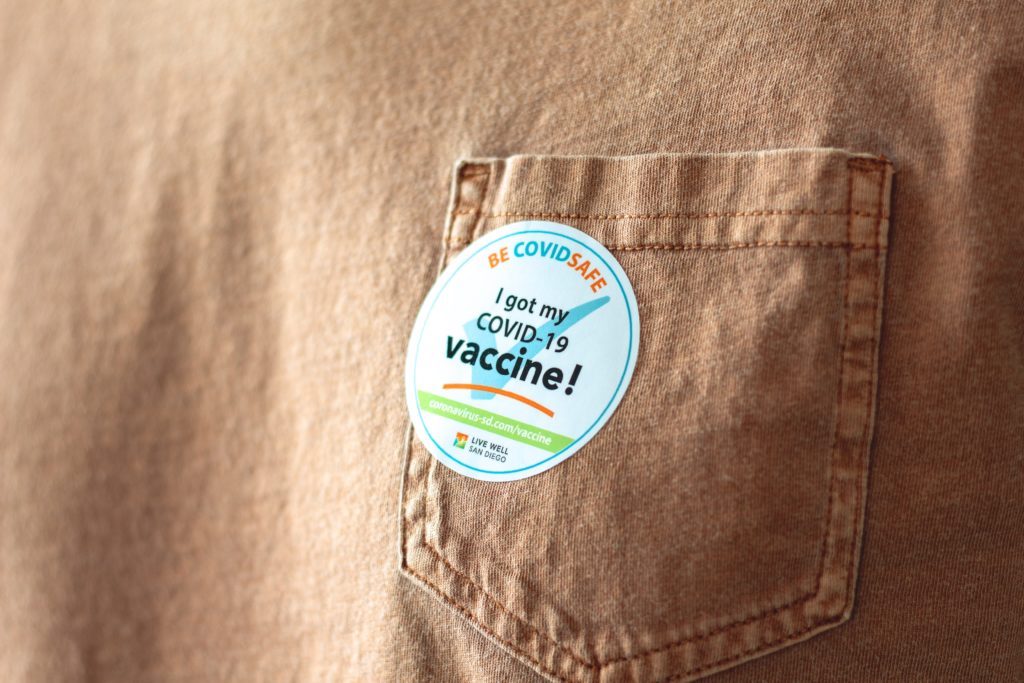
Brown t-shirt with 'I got my COVID vaccine' sticker on the pocket

written by Chandana Balasubramanian

“Should I get the COVID-19 vaccine even if I had COVID?” The answer is yes. Getting COVID-19 in the past is not a guarantee against reinfection.

An August 2021 study out of Kentucky, USA, studied hundreds of residents and found that unvaccinated survivors of COVID-19 had more than double the risk of getting reinfected with COVID-19 compared to the vaccinated group of people. Public health officials, medical professionals, and infectious disease experts worldwide continue to urge more people to get vaccinated as soon as possible. But some individuals who recovered from COVID-19 want to know why.

Wearing safety gear during on-ground combat will not prevent all adverse events. The gear is designed to prioritize and protect a soldier’s brain, heart, spine, and other vital organs from damage. The vaccines are meant to work the same way.

To those on the fence, the decision to get vaccinated or not requires more information. Queries from unvaccinated COVID-19 survivors include:

  • If you already had COVID-19, why are you not protected for life against the virus? After all, with a chickenpox infection, you get lifelong immunity.
  • If people who are vaccinated can still get infected with the Delta variant, why do we need the vaccine?
  • COVID-19 vaccines are currently approved for emergency use. Is this safe?
  • Which COVID-19 vaccine offers maximum protection against COVID-19 and variants like Delta?

Here are answers to these questions to help you choose.

Natural Immunity after COVID-19 varies widely from person to person. Vaccine immunity is more consistent.

Natural immunity from a COVID-19 infection is expected to last 90 days or more in most people. However, the strength of resistance built against COVID-19 varies widely from person to person. It is based on many factors, including viral load (the amount of virus in an infected person’s blood). People who had a light viral load the first time around may not be protected against reinfection. On the other hand, our immune response to the COVID-19 vaccine is more consistent. This is why you are encouraged to get vaccinated even if you had COVID-19.

Different pathogens trigger unique immune responses. The chickenpox virus (Varicella zoster) triggers the production of antibodies with lifelong memories that protect us against reinfection. COVID-19 is new, and so far, there is no data to suggest it offers immunity for life. With the COVID-19 mRNA vaccines, your body gets exposed to a harmless piece of the COVID-19 virus, the spike protein, which is just enough to train our immune system to learn how to fight this particular pathogen.

And for those previously infected with COVID-19, the vaccine can act as added protection, which is necessary to fight emerging variants.
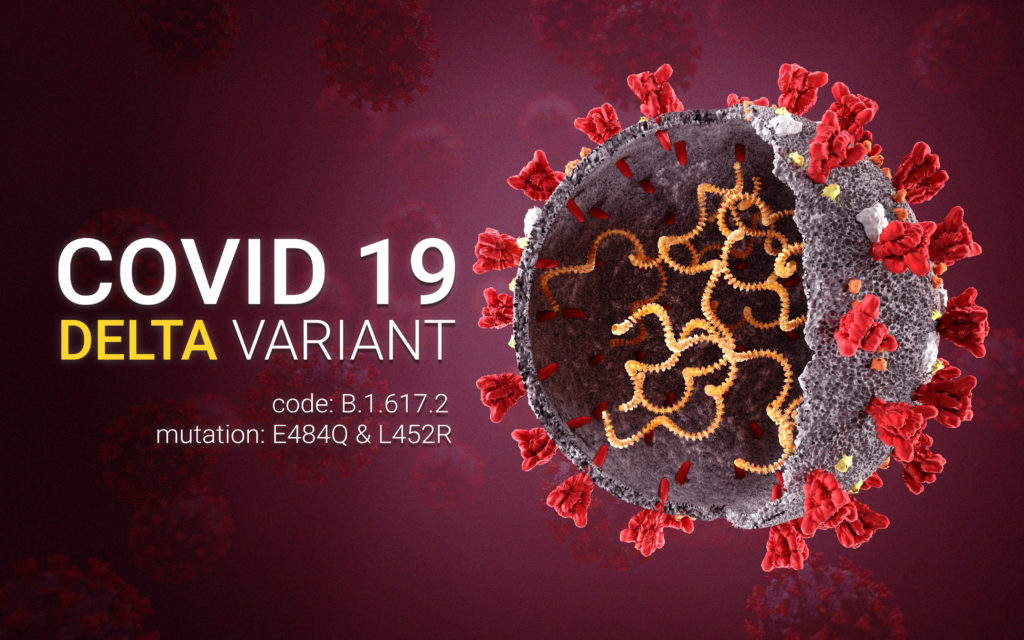
New coronavirus delta variant covid. India mutation of SARS CoV 2, 2019 nCoV new version 2020 2021. Coronavirus new strain. 3D Illustration of viruses with microscope view of sliced virus

The Delta variant is a different beast; natural immunity needs all the help it can get.

The B.1.617.2 variant, or Delta, is significantly more contagious than the original COVID-19 virus from 2020 and all other existing variants. It is also more likely to cause severe disease and death by breaking through our natural immunity and even vaccine-related protections. This applies even if you recovered from COVID-19 in the past.

With the original COVID-19, symptoms took 7 to 14 days to appear. The Delta variant launches its attack on our body much faster. Symptoms could appear within two to three days – which means our immune system has less time to prepare. Additionally, people infected with the Delta variant carry 1000 times more virus than the original COVID-19. The vaccines can boost our natural immunity to strengthen our resistance against the new COVID-19 variants, including the insidious Delta.

It is important to note that the COVID-19 vaccines have proven effective at protecting against severe illness and death. It is still possible to get infected after being vaccinated. But if you are vaccinated, you will most likely experience milder symptoms without extreme damage to your lungs and other organs. In the United States, 97% of hospitalizations from Delta and 99% of associated deaths are due to unvaccinated individuals. These percentages are based on data from January to June and will be updated based on the impact of Delta.

Keep in mind that you are considered fully vaccinated two weeks after your second dose for two-dose vaccines or after one shot for a single-dose vaccine. Even after getting vaccinated, it is advisable to continue following recommended safety protocols.

According to Stephen Berger MD, an experienced doctor, war veteran, and infectious disease specialist, “Those that get vaccinated and then catch an infection, like the Delta variant, may have not yet formed antibodies.” Dr. Berger further stated, “People should still take the usual precautions and wear masks, sanitize their hands, and practice social distancing to help limit the spread of the virus.”

It’s like sending soldiers into battle. The process involves intense preparation and strategy beforehand. However, even the most experienced veteran returning to the call of duty requires armor, like helmets and bulletproof vests, and is trained to follow standard safety measures. The reason for this is because war brings a great deal of uncertainty and high mortality risk. Wearing safety gear during on-ground combat will not prevent all adverse events. The gear is designed to prioritize and protect a soldier’s brain, heart, spine, and other vital organs from damage. The vaccines are meant to work the same way.

The Delta variant may be dashing the world’s hope of reaching herd immunity since vaccinated individuals can spread the virus as much as the uninfected.

This insight makes it more urgent for each individual to get vaccinated and not count on herd immunity or immunity from prior infections to protect them. Professor Sir Andrew Pollard of the Oxford Vaccine Group recently informed that COVID is not like measles where if 95% of the population is vaccinated, the rest are protected. He stated, “…anyone still uninfected at some point will meet the virus.”

Meanwhile, the death knell from COVID-19 and the Delta variant continues to sound.

As of August 10th, 2021, more than 4.3 Million COVID-19-related deaths have been reported to the World Health Organization (WHO). The United States is in the lead with 600,000, followed by 563,000 in Brazil, and over 428,000 in India. In the United States, with only 50% of the population vaccinated, the daily case count now stands at 100,000 and is expected to grow. According to the CDC, the Delta variant is now the cause of 83% of all new cases in the U.S.

While the U.K. reported the highest single-day deaths from COVID-19 on August 11th, 2021 (their highest since March as a result of cases from July), hospitalizations, ICU admissions, and deaths were much lower in this wave than at the beginning of the year. Over 75% of adults in Britain have been fully vaccinated, and 89% have received at least one dose.

In the United States, while the COVID-19 vaccines are under evaluation for safety and efficacy, several have been approved for emergency use.

Portland, OR, USA - Mar 2, 2021: A woman browses the FDA website to learn more about COVID-19 vaccines. FDA has issued emergency use authorization for Janssen vaccine, the third COVID-19 vaccine.


Are vaccines approved under EUA or Emergency Use Authorization safe?

Several countries have granted preliminary approvals for vaccines in light of the devastation caused by COVID-19 and its variants. In the United States, vaccines by Pfizer-BioNTech, Moderna, and Johnson & Johnson (J&J) received EUA approval. Seeing that it is the first time vaccines are being granted EUAs, how effective are the vaccines?

In an ideal world, there would be long-term data and lots of time to analyze and decide whether to get vaccinated. In the future, COVID-19 vaccines may be like the chickenpox and flu vaccine, available for those who need it but not necessary. But right now, like medics on a battlefield, the biggest concern is to stop the bleeding. In the case of COVID-19 and its variants, it means minimizing hospitalizations due to severe illness and deaths. The three vaccines authorized under EUA in the U.S have proven effective against moderate to severe symptomatic disease.

While the EUA is a temporary fast-tracking of potentially life-saving drugs or therapy, it is not granted without reviewing detailed submissions from vaccine manufacturers containing proof of safety and data from clinical trials on more than thousands of willing participants. Another reason for the rapid FDA review and response is that the COVID-19 pandemic is the highest priority. So, resources to evaluate COVID-19 vaccines have been diverted accordingly.

In short, natural immunity will not last forever, the Delta variant is much more capable of breaking through natural immunity, and unvaccinated COVID-19 survivors have a higher likelihood of getting reinfected. If you choose to get vaccinated, here is a comparison of the reported COVID-19 vaccine efficacy against the Delta variant.


Comparison of COVID-19 vaccine protection against the Delta variant

1.    Moderna:

The Moderna vaccine is a two-dose vaccine, taken 28 days apart. It is an mRNA vaccine that makes the spike protein and teaches our body to create antibodies.

Effectiveness against Delta variant:

  • Two doses: 94-95% effective against the Delta variant [1] [2].
  • Single dose: 72% effective.

2.   Pfizer-BioNTech

The Pfizer-BioNTech vaccine is a two-dose vaccine taken 21 days apart. It is also an mRNA vaccine that makes the spike protein.

Effectiveness against Delta variant:

Reports vary between 79 – 95% so let us break them down:

  • A UK study demonstrates 88% overall effectiveness and 96% against hospitalization[3].
  • A Scotland study reported 79% effectiveness [4].
  • A study out of Canada showed 87% effectiveness [1].
  • A study out of Israel showed 90% effectiveness initially but more recently reported 41% effectiveness against symptomatic infections, but 91% effective against severe disease and 88% against hospitalization [5]. A report by the Ministry of Health, Israel, studying confirmed COVID-19 cases from January-July 2021, also showed that vaccinated individuals with pre-existing conditions are better protected against serious illness compared to non-vaccinated individuals without any risk factors [6].
  • A study from France reported 94% overall effectiveness with two doses [7].
  • A New York study stated 94-95% overall effectiveness [2].

3.   Johnson & Johnson – Janssen

The J&J Janssen vaccine is a viral vector vaccine, which uses inactivated and modified Adenovirus as a ‘Trojan horse’ to deliver the gene that encodes the SARS-CoV-2 spike protein. A well-known Bacillus Calmette Guerin (BCG) vaccine works the same way. The vaccine differs from other vaccines on the market in that it requires only one dose.

Effectiveness against Delta variant:

  • 66.9% efficacy in preventing moderate to severe disease. However, the study is small, and some experts now believe a booster may be required [2].

4.   AstraZeneca-Oxford (No EUA in the United States)

The AstraZeneca-Oxford vaccine, similar to the J&J Janssen vaccine, also works as a ‘Trojan Horse’ carrying valuable information to help train our immune system. The AstraZeneca vaccine requires two doses, taken 30 days apart.

Effectiveness against Delta variant:

  • The Public Health England study reported 79% overall effectiveness and 96% effective against severe disease[3].


Summary

All around the world, we are waging war against the COVID-19 virus and its variants. The Delta variant is the most dangerous and highly contagious of all emerging variants. Compared to the original COVID-19 and all its other variants, infection due to the Delta is most likely to result in death and severe illness.

Natural immunity gathered from a previous COVID-19 infection is not reliable protection from the Delta. Unvaccinated COVID-19 survivors have double the risk of being reinfected versus vaccinated COVID-19 survivors.

The bottom line is that regardless of the brand or type of vaccine you choose, experts recommend that you get fully vaccinated to protect yourself and your loved ones – even if you had COVID-19 in the past.


Did you like this article? Please share it on social media!

Check out more of our latest content here


References

[1] S. N. e. al., “Effectiveness of COVID-19 vaccines against variants of concern, Canada,” Pre-Print, 2021.
[2] T. T. e. al., “Comparison of Neutralizing Antibody Titers Elicited by mRNA and Adenoviral Vector Vaccine against SARS-CoV-2 Variants,” July 19th 2021. [Online]. Available: https://www.biorxiv.org/content/10.1101/2021.07.19.452771v1.full.pdf. [Accessed August 11th 2021].
[3] Public Health England, “GOV. U.K.,” June 14th 2021. [Online]. Available: https://www.gov.uk/government/news/vaccines-highly-effective-against-hospitalisation-from-delta-variant. [Accessed 11 August 2021].
[4] Sheikh, Aziz; McMenamin, Jim; Taylor, Bob; Robertson, Chris; Public Health Scotland and EAVE II Collaborators, “SARS-CoV-2 Delta VOC in Scotland: demographics, risk of hospital admission, and vaccine effectiveness,” The Lancet, pp. 2461-2462, June 14th 2021.
[5] Ministry of Health, Israel, “GOV. I.L.,” July 22nd 2021. [Online]. Available: https://www.gov.il/BlobFolder/reports/vaccine-efficacy-safety-follow-up-committee/he/files_publications_corona_two-dose-vaccination-data.pdf. [Accessed 11 August 2021].
[6] Ministry of Health, Israel, “Comparative Review of Confirmed Cases Data from January 2021 and July 2021,” https://www.gov.il/en/departments/news/25072021-04, 2021.
[7] D. Planas, D. Veyer, O. Schwartz and e. al., “Reduced sensitivity of SARS-CoV-2 variant Delta to antibody neutralization,” Nature, vol. 596, p. 276–280, 2021.


Nipah Virus Outbreaks: New Reasons Why the West Needs to Start Caring

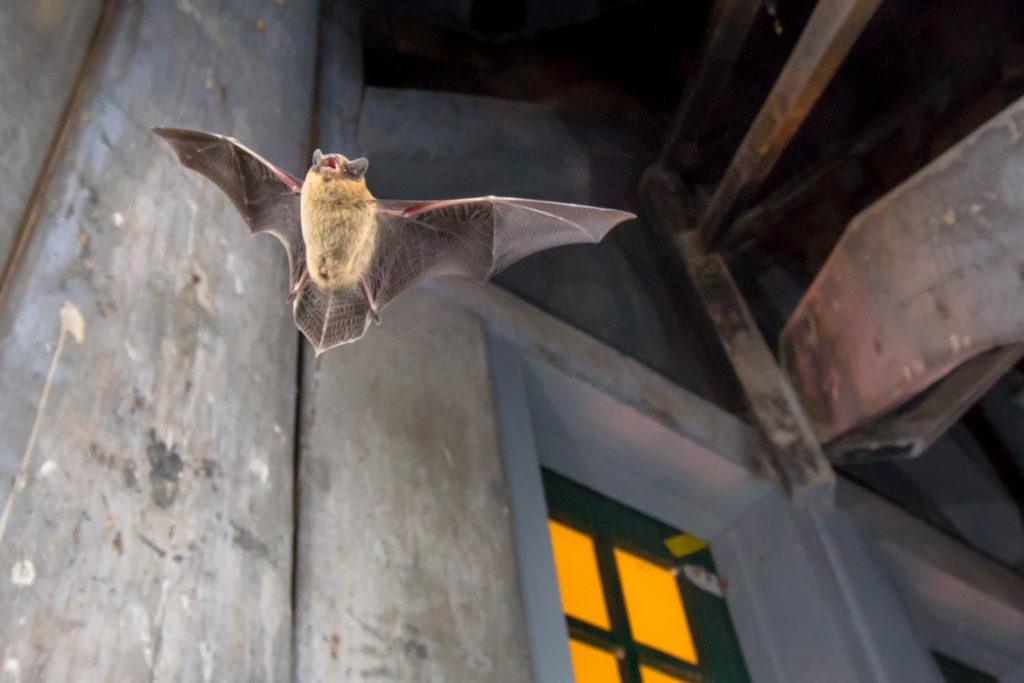
Flying Pipistrelle bat (Pipistrellus pipistrellus) action shot of hunting animal on wooden attic of city church. This species is know for roosting and living in urban areas in Europe and Asia.
Image: Flying Pipistrelle bat (Pipistrellus pipistrellus) in the wooden attic of a city church. This species is known for roosting and living in urban areas in Europe and Asia.


written by Chandana Balasubramanian

Nipah virus (NiV) has been detected in several species of bats. While the Pteropus genus of bats has been the reservoir for NiV, new research from Gokhale et al. identified potential NiV infection in Rousettus leschenaultii and Pipistrellus pipistrellus bats in India [1].

Why is this significant?

In the past, the bat-borne Nipah virus has not raised much concern in the West –  since its discovery in the late nineties, outbreaks have been limited to Southeast Asia. However, NiV mutations, zoonotic spillovers, the effects of deforestation, and other factors signify a growing potential for NiV to spread. 

People think of these bat-borne viruses as exotic diseases that are far away. The COVID-19 pandemic illustrates, however, that local spillover of novel viruses can affect the whole world. 

– Stanford epidemiologist Stephen Luby, MD

Additionally, while NiV transmission was previously assumed to be annual or seasonal (primarily winter), a multi-disciplinary study based on six years of data indicates otherwise. Researchers from Stanford, Columbia, Johns Hopkins, and other global partners suggest that bat immunity levels drive NiV infections and that infected bats can shed the virus at any time of year [2].  This article was published in PNAS (Proceedings of the National Academy of Sciences of the United States) and edited by Anthony Fauci, Director of the National Institute of Allergy and Infectious Diseases.

This growing body of Nipah virus research is a bat signal urging the world to pay attention.

The World Health Organization (WHO) prioritized the Nipah virus on their list of epidemic threats that require urgent action. The US National Institutes of Allergy and Infectious Diseases categorizes Nipah at Category C:  “emerging pathogens that could be mass engineered for mass dissemination in the future.” Some governments consider the Nipah virus as a potential agent of bioterrorism and strictly regulate laboratory testing. Several other studies suggest that the NIV virus is a potential pandemic agent [3].

We must track Nipah like a parent that monitors an eight-year-old child in a playground. We do not have to divert all attention and resources urgently, but our eyes and ears need to “stay wide open” for potential issues.

Although NiV is a paramyxovirus – agents primarily responsible for acute respiratory diseases –  transmission from human to human is currently low. The R0 (the number of cases that result from an infected patient) is only 0.48. In comparison, the R0 for SARS-CoV-2 Delta Variant is 5-8, SARS-CoV-2 is 2.5-5.7, SARS-CoV is 2.4, and MERS is 1. Reported case mortality is high at 40 – 70% and is the reason why NiV has not caused mass transmission in a population:  many die before they transmit the disease. Another factor preventing larger outbreaks is that the virus has been detected in villages with a relatively low population density.

But changes are brewing, and we need to track the Nipah virus more closely than before. 

Reasons to Track Nipah Virus (NiV)

1. New Nipah virus mutations

With Nipah, there is no cause for panic just yet. Currently, only a small percentage of infected people transmit NiV. But super-spreaders can infect their loved ones, caregivers, healthcare workers, and others in their community. The incubation period is 5-to-14 days, but in a severe case, it has been reported to extend up to 45 days – sufficient time for an infected person to transmit the virus.

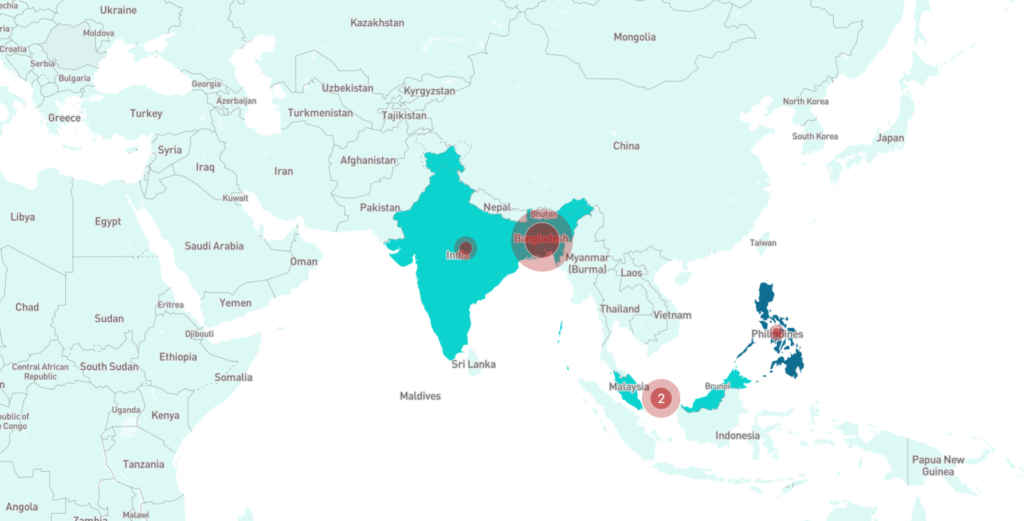
Nipah virus has been confined mainly to Southeast Asian countries with outbreaks in Bangladesh, India, the Philippines, and Malaysia. Still, as new strains continue to be detected, the threat level that NIV poses can potentially escalate. More research is needed in this field, but two distinct strains have been detected – Bangladeshi and Malaysian [2].


Nipah virus outbreaks map, 1998 - 2019
Image: Nipah virus global outbreaks map, 1998 – 2019. Copyright © GIDEON Informatics, Inc.


Consider another bat-borne disease: COVID-19. Since the start of the pandemic, SARS-CoV-2 has mutated quite rapidly. As you read this, variants such as ‘Delta’ (B.1.617.2) continue to wreak global havoc. WHO now categorizes these “mutants” as ‘Variants of Concern’ (VOC) and ‘Variants of Interest’ (VOI).

One concern is that the NIV receptor in humans is ephrin – found in all tissues. As such, infection by a more potent mutant could affect every organ in our body, including our blood and the central nervous system.


2. Potential Zoonotic Spillover: COVID-19 Pandemic Precedent?

As we saw with COVID-19, the spread from a bat to a pangolin and between humans happened extremely rapidly.

NiV was first discovered in pigs but is widely found in bats (Pteropus genus). There is also spillover to horses and other domestic animals. Nikolay et al. report that multiple Nipah spillover events from bats to humans occur in Bangladesh when humans consume raw fermented date palm sap contaminated by infected fruit bats [4]. Another reason for concern is that the Pteropus group of bats is found all over Asia and Australia. If more spillovers continue to occur, the world’s Nipah virus problem may increase quickly [2]. And as discovered in India (and always suspected by NiV experts), more bat species may be infected with NiV [1].

Stanford epidemiologist Stephen Luby MD stated about the Nipah virus, “People think of these bat-borne viruses as exotic diseases that are far away. The COVID-19 pandemic illustrates, however, that local spillover of novel viruses can affect the whole world.”

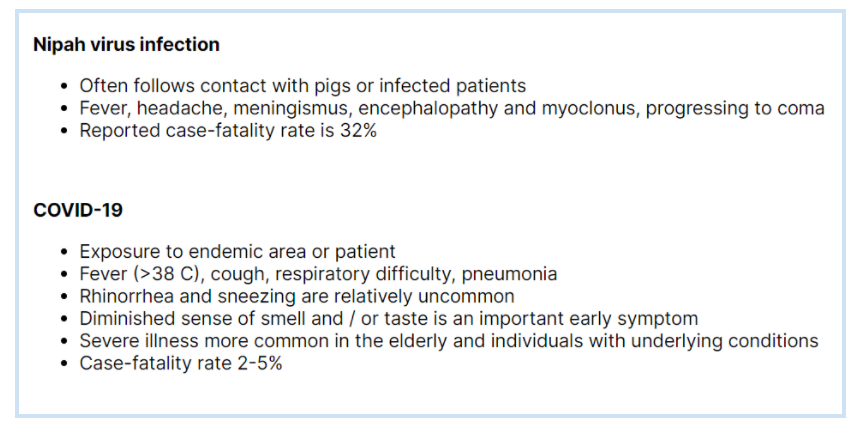
NiV and SARS-CoV-2 have similarities: both are bat-borne RNA viruses, demonstrate zoonotic spillovers, and cause acute respiratory distress – and without proper medical intervention, can be fatal. Differences include a slower rate of transmission for Nipah versus COVID-19 and its variants, for now. 

Nipah virus and COVID-19 comparison
Image: Comparison between Nipah virus and COVID-19. Copyright © GIDEON Informatics, Inc.


3. Nipah Virus can be transmitted continually

One of the most valuable insights from the Epstein et al. PNAS study was that bats do not transmit NiV annually or seasonally. Instead, there are multi-year cycles of transmission across bat species, which can increase the risk to humans.

Additionally, the study found that the Nipah virus in bats can recrudesce or reinfect the same bat. If an infected bat has high levels of immunity against NIV, it may not shed or transmit the virus. But when immunity levels are low, the same bat may start shedding the virus – even after years! If the immunity of a group of bats drops, an infected bat that immigrates to the flock could reinfect the group. Also, if one bat is persistently infected through recrudescence, NiV may be reintroduced into the bat colony [2].  

4. Ecological Changes Driving Closer Bat-Human Interactions

Generally, most animals prefer to stay away from humans. This is true unless their survival is linked to living closer to humans. In the case of Nipah, the Pteropus medius bat (the predominant host) travels short distances and likes to stay close to home. They pick their homes based on the availability of food in high human population density areas. In Bangladesh, they prefer to live close to humans because of more farmland and the greater availability of silver date palm trees. In Malaysia, fruit trees were planted close to piggeries, which, in turn, are within the range of human habitation. The United Nations projects that by 2050, 60% of the world’s population (4.9 billion people) will live in urban areas, increasing the risk of zoonotic spillovers. Most of this urbanization will occur in Asia and Africa.

Bat feces, called guano, is used as fertilizer in Thailand and Cambodia, and selling it is lucrative. Some people in these areas often encourage fruit bats to live close by for easier access to the droppings.

Deforestation is another strong influencer. Some research suggests that bats shed more virus under stress [6]. Bat populations undergo stressful environmental events such as human encroachment, deforestation, and fires that cause them to flee their natural habitats, searching for new ones. Many of them choose to “cut out the middleman” and roost directly on fruit trees, often planted close to humans and other domesticated or farm animals. 

Two men cutting a tree
Image: Deforestation. Photo by Souro Souvik on Unsplash


Additionally, bats, including Pteropus medius, are gregarious and social animals. Living in a large roost also offers them greater protection from other predators. Pteropus Medius bats prefer to create large roosts in tall trees. But with deforestation on the rise, these bats have been forced to form smaller populations in other locations [7].

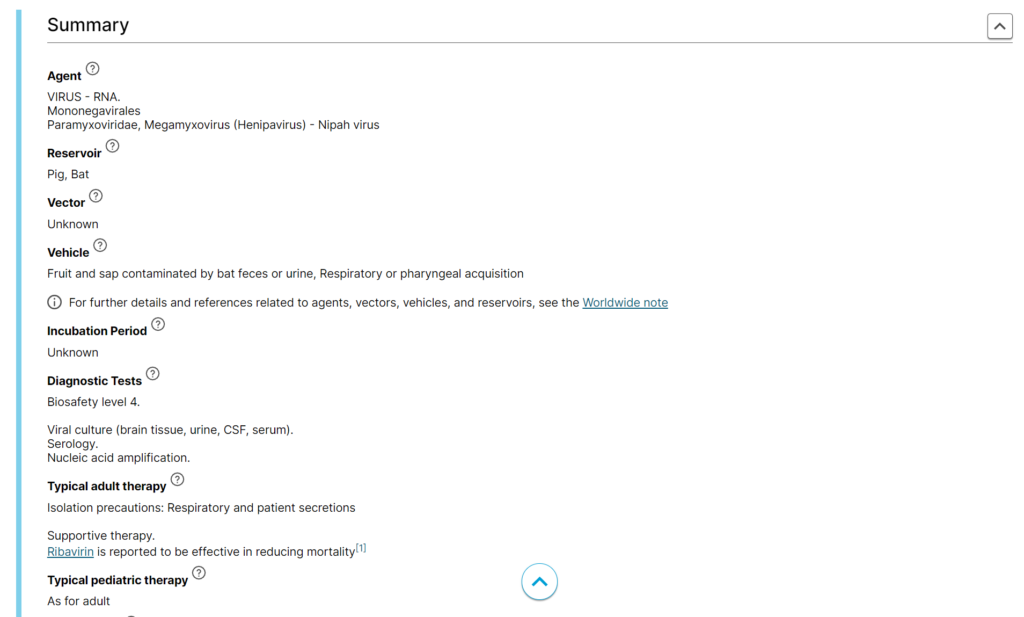
Image: Nipah virus infection summary of disease from GIDEON Informatics (Global Infectious Diseases and Epidemiology Network) database.
Image: Nipah virus infection summary. Copyright © GIDEON Informatics, Inc.


Nipah infections are characterized by encephalitis and acute respiratory distress, which are incredibly difficult to treat [5]. The mortality rate is at 40-70%. Since it is found in rural areas with limited lab testing resources and awareness, early detection is often not possible. There are no licensed treatments for Nipah virus infection though some monoclonal antibody therapies are being evaluated. Additionally, there is no vaccine against this virus. According to GAVI, the global vaccine alliance, phase 1 clinical trials are underway.

With COVID-19 being a global public health crisis, investments in vaccine R&D and production have been high from the get-go. But the same mRNA vaccine technology may also be useful in preventing NiV infections.

Conclusion

Nipah virus has been around for 20 years and persists without a vaccine or licensed drug treatment. Though transmission rates are low, mortality rates are high.

The virus has much in common with SARS-COV-2. In particular, both are bat-borne, RNA-based viruses that have spilled over to other animals and humans. The virus of COVID-19, mutating much more often, has spread to every corner of our globe in a full-blown pandemic.

Variant strains of the Nipah virus have been detected. New research also identified more species of bats infected with the NiV virus. Preventing the next pandemic involves equipping researchers and clinicians on the frontlines of emerging disease prevention with the right epidemiological, diagnostic, therapeutic, and preventive tools, right off the bat. 


Did you like this article? Please share it on social media!

Check out more of our latest content here


References

[1] M. D. Gokhale, M. Sreelekshmy, A. B. Sudeep, A. Shete, R. Jain, P. D. Yadav, B. Mathapati and D. T. Mourya, “Detection of possible Nipah virus infection in Rousettus leschenaultii and Pipistrellus Pipistrellus bats in Maharashtra, India,” Journal of Infection and Public Health, vol. 14, no. 8, pp. 1010-1012, 2021.
[2] J. H. Epstein, S. J. Anthony, A. Islam, A. M. Kilpatrick, S. Ali Khan, M. D. Balkey, N. Ross, I. Smith, C. Zambrana-Torrelio, Y. Tao, A. Islam, P. Lan Quan, K. J. Olival, M. S. U. Khan, E. S. Gurley, M. J. Hossein, H. E. Field, M. D. Fielder, T. Briese, M. Rahman, C. C. Broder, G. Crameri, L.-F. Wang, S. P. Luby, I. W. Lipkin and P. Daszak, “Nipah virus dynamics in bats and implications for spillover to humans,” PNAS (Proceedings of the National Academy of Sciences of the United States of America, vol. 117, no. 46, pp. 29190-29201, 2020.
[3] P. Devnath and H. M. A. A. Masud, “Nipah virus: a potential pandemic agent in the context of the current severe acute respiratory syndrome coronavirus 2 pandemic,” New Microbes and New Infections, vol. 41, 2021.
[4] B. Nikolay, H. Salje, J. M. Hossain, A. M. Dawlat Khan, H. M. S. Sazzad, M. Rahman, P. Daszak, U. Ströher, J. R. C. Pulliam, A. M. Kilpatrick, S. T. Nichol, J. D. Klena, S. Sultana, S. Afroj, S. P. Luby, S. Cauchemez and E. S. Gurley, “Transmission of Nipah Virus – 14 Years of Investigations in Bangladesh.,” New England Journal of Medicine, vol. 380, no. 19, pp. 1804-1814, 2019.
[5] E. S. Gurley, C. F. Spiropoulou and E. d. Wit, “Twenty years of nipah virus research: Where do we go from here?” J. Infect. Dis., vol. 221, No Supplement_4, p. S359–S362, 2020.
[6] C. M. Davy, M. E. Donaldson, S. Subudhi, N. Rapin, L. Warnecke, J. M. Turner, T. K. Bollinger, C. J. Kyle, N. A. S.-Y. Dorville, E. L. Kunkel, K. J. O. Norquay, Y. A. Dzal, C. K. R. Willis and V. Misra, “White-nose syndrome is associated with increased replication of a naturally persisting coronaviruses in bats,” Scientific Reports, vol. 8, no. 15508, 2018.
[7] C. D. McKee, A. Islam, S. P. Luby, H. Salje, P. J. Hudson, R. K. Plowright and E. S. Gurley, “The ecology of Nipah virus in Bangladesh: a nexus of land use change and opportunistic feeding behavior in bats,” Viruses, vol. 13, no. 169, 2021.


Less Prep, More Insights: GIDEON R for Epidemiology-Related Research

We are excited to introduce the GIDEON R Package, released this month as a beta test for our researchers worldwide. GIDEON R is an efficient plug-and-play statistical tool for all researchers to clean, analyze, and visualize their epidemiological data from the GIDEON database. There is no need to program your own REST API queries. 

In the past 3 years, 200+ research papers used GIDEON data

EXCLUSIVE SNEAK PEEK FOR EXISTING GIDEON CUSTOMERS

  • All existing GIDEON customers get early access to experience and test the GIDEON R Beta package. Click here to download the package.
  • Let us know what you think! Email us at [email protected] and tell us what you liked and what could be improved.
  • Your comments help us refine and launch the best version of GIDEON R for your research needs.
GIDEON R package in use
Image: GIDEON R package in use


Over 200 scientific studies that leveraged GIDEON’s (Global Infectious Diseases and Epidemiology Network) database were published in just the past three years. This number is rapidly growing as many researchers turn to the extensive infectious disease database for epidemiological insights and cross-discipline studies. 

The GIDEON database is a valuable web-based reference of infectious diseases and their global occurrences since the 1900s. As of 2020, researchers also get to customize and build their statistical tools to analyze data using the GIDEON API or Application Programming Interface (API). 

While GIDEON’s massive global database of infectious diseases and the GIDEON API are potent tools, GIDEON R allows you to boost your analytics to the next level. 

Why use GIDEON R?

R, the free, open-source programming language, has transformed how researchers prep, clean, and wrangle large databases to get good information. With minimal coding required, researchers can clean and set up their data faster and conduct reproducible steps during data analysis. 

R is quickly gaining in popularity with researchers. R programming is a part of the standard data analytics curriculum in universities like Harvard and the Imperial College in London. It is fast becoming a mainstay in Public Health and epidemiological research studies and reports. In the UK, the O Health foundation, an independent charity, developed an NHS-R community to help leverage the power of R for the NHS (National Health System). Teams of experts trained NHS analysts to use and embed R into the NHS to help improve the delivery of care.  

Using the GIDEON R package brings you more efficiency to:

  • Investigate 25,000+ ongoing and historical infectious disease outbreaks,
  • Produce granular outbreak maps for chosen diseases in a given year range
  • Study the emergence of zoonotic diseases in a particular country,   
  • Evaluate epidemiological situations around the globe, 
  • Retrieve a wealth of information on 360+ infectious diseases, 2,000+ pathogens, and 30,000+ trade names of drugs and vaccines.

The GIDEON R package brings all the convenience and efficiency of the free, open-source programming language R to the world of epidemiological research. 

Benefits of using GIDEON R include…

  • Simplicity: 

There is no need to learn how to work with a REST API client to parse the GIDEON database. With GIDEON R, you can hit the ground running and start crunching your data. 

Working with a GIDEON REST API offers you greater and complete control over how your program manipulates data. However, it requires users to possess programming skills and may also mean an investment in rigorous manual and automatic testing to ensure it functions well under pressure. Your team will need to spend considerable time testing, sequencing API calls correctly, validating parameters, and fixing any other issues before beginning the analysis. GIDEON R gives researchers familiar with R the ability to skip this part of the process and get straight to the analytics.  

  • Reproducibility: 

GIDEON R allows you to create scripts for your entire data analysis process and run a simulation. This way, even if you make a mild edit to the data, the whole process can be run again with the reassurance of reproducibility. As a researcher, you can then focus on developing and analyzing different runs without worrying about the analytical method changing. 

  • Flexibility

Epidemiological research is complex and challenging. No two studies will ever be precisely the same. R offers a considerable toolkit of statistical modeling tools that epidemiologists require, including logistic and Poisson regression and Cox proportional hazard models. 

  • Better Visualization

With R, data comes to life. Using R for data visualization is like the famous scene in the classic movie ‘The Wizard of Oz’ when Dorothy steps out of her dull black and white house and into the dazzling technicolor land of Oz. 

R can create any type of graph or charts – fast ones for analysis and even publication-ready charts with minimum code. R offers in-built functions and libraries to generate basic maps like bar charts, histograms, and scatter plots. It can also create advanced visualization tools like heat and mosaic maps, 3D graphs, or correlograms in vivid technicolor for your exploratory data analysis, presentations, and publications.

  • Compatibility

R runs on everything. R’s code is platform-independent – which means it does not matter if you use Windows, Mac, or any other system. So, with GIDEON R, you can be sure that your program is compatible with any type of platform you or your team use. This is a significant benefit when working with teams located in different regions and across the globe. 

GIDEON R optimizes how researchers use the GIDEON API to mine the GIDEON infectious disease database for epidemiological research. 


Want to be one of the first to try the new GIDEON R package?


GIDEON API

The GIDEON API allows medical professionals and researchers pressed for time and resources access to global data on hundreds of diseases, drugs, and bacteria – since 1348 AD. 

With the GIDEON API, you get a direct feed of infectious disease data from around the world at your fingertips. The GIDEON API is based on RESTful principles, and data is refreshed and updated every day, sometimes even multiple times a day. 

The best part? All institutional subscribers to GIDEON get access to the GIDEON API free of charge. 


Published articles that used GIDEON

Epidemic infectious disease outbreak with person analyzing virus strain and worldwide situation. SARS-CoV-2 pathogen causing coronavirus covid-19 pandemic disrupting social and economic life

According to Professor Rodolphe Desbordes, Professor of Economics at SKEMA Business School, France, and widely published in International Economics and Economic Development: 

“GIDEON was the perfect database for the epidemiological project I had in mind <…> the information provided on each disease was crucial to a better understanding of disease-specific characteristics.“


GIDEON has a rich history of partnering with researchers and scientists worldwide by offering a wide variety of resources on infectious diseases. You can find data going back to 1348 AD, track outbreaks on an interactive map, identify over 2000+ pathogens, diagnose and compare any number of infectious diseases, drugs, and microbes. 

The GIDEON database contains 23,600 country-specific notes with 3+ million words of text that outline the status of specific infections within each country. Also featured are over 250,000 linked references, 3,000 images, 34,000 graphs, and numerous interactive maps. 

There are more than 200 studies published in just the past three years that use GIDEON’s database to generate meaningful insights. Here are a few of the recent articles published that used GIDEON for their research: 

  • June 2021, Dengue: Alisa Aliaga-Samanez et al. from Spain published the first high-resolution analysis of biogeographic changes in dengue transmission risk. The study informs about the Dengue virus (DENV) making a home in previously low-risk areas and urges the global public health community to implement preventive measures [1]. 


  • June 2021, Foodborne Parasitic Diseases: F. Chavez-Ruvalcaba et al. published their review of foodborne parasitic diseases in the neotropics. Since more than one-fifth of the world’s population is infected by one or more intestinal parasites, the authors review the most common ones affecting countries in Central and South America [2]. 


  • June 2021, Lyme Borreliosis in Poland: Brzozowska et al. published their study about the tick-borne Lyme Borreliosis in Poland. They found the incidence to be equally significant in urban and rural communities and stressed the importance of widespread awareness and education. The study used GIDEON-generated data to compare Lyme Borreliosis prevalence across the globe [3].  


  • May 2021, Control of Intestinal Nematodes in African Green Monkeys (AGMs): A veterinary study by Katalina Cruz et al. tackled the efficacy of antiparasitic treatment and husbandry methods to control nematode infections in AGMs. The authors referred to insights from the GIDEON database to highlight that because AGMs regularly come in contact with humans on the island, they may play a role in the zoonotic parasitic infections commonly found on St. Kitts [4]. 


  • May 2021, Emerging Antibiotic-Resistant Pathogens in Iran: As part of their study, Rahder et al. analyzed the reported prevalence of actinomycetes infections worldwide using published global prevalence data sourced from the GIDEON database. They identify infections in Iran affecting immunocompromised and other vulnerable patients and recommend continuous monitoring to better prevent infection and improve therapeutic methods to treat the infections [5]. 


  • March 2021, Brucellosis: Battikh et al. from Tunisia used the GIDEON database to analyze the rise in Brucellosis cases in their hospital. They found that osteoarticular involvement was the most common complication of brucellosis in their patient pool. The researchers recommended better animal control practices through vaccinations, occupational and personal hygiene, farm sanitation, and more to lower the number of cases [6]. 


  • March 2021, Global Empirical Assessment of Spatial Dynamics of Major Disease Outbreaks: Professor Rodolphe Desbordes presented the spatio-temporal dependence and mortality consequences of the top 15 disease outbreaks in developed or developing countries over ten years. In the article, he states that his team mainly relied on the “under-exploited GIDEON database that provides a worldwide coverage of all infectious diseases [7].”

    In an interview, Professor Desbordes talked about why having access to data added to his study. He mentioned, “As an applied economist, I value excellent data on a novel and interesting issue more than anything else. The GIDEON database allowed me to publish in an excellent journal and, most importantly, carefully model the spatial diffusion of infectious diseases in a globalized world.”


  • March 2021, Ecological Conditions That Increase Vector-Borne and Zoonotic Diseases Outbreaks: Morand and Lajaunie published their findings on how global forest cover changes and oil palm expansions are associated with increased outbreaks of vector-borne and zoonotic disease outbreaks from 1990 – 2016. The authors state, “Here, we examine the global trends between changes in forest cover in recent decades and epidemics of human infectious diseases, using the GIDEON global database, which is the best available dataset on infectious diseases that has already been used in several studies [8].”


Want to be an early user and test GIDEON R?

Conclusion

GIDEON is one of the most well-known and comprehensive global databases for infectious diseases. Data is refreshed daily, and the GIDEON API allows medical professionals and researchers access to a continuous stream of data. 

The GIDEON R package allows researchers to retrieve, clean, analyze, and visualize infectious disease data in real-time from the GIDEON database without the need to get familiar with API clients and learn to program your own API queries. This improves the efficiency and reproducibility of research methods and results and lowers the time and costs required to learn how to work with REST APIs.


Did you like this article? Please share it on social media!

Check out more of our latest content here


References

[1]  A. A.-S. e. al., “Worldwide dynamic biogeography of zoonotic and anthroponotic dengue,” PLoS Negl. Trop. Dis., vol. 15, no. 6, p. e0009496, 2021. 
[2]  F. Chávez-Ruvalcaba, M. I. Chávez-Ruvalcaba, M. K. Santibañez, J. L. Muñoz-Carrillo, C. A. León and R. R. Martínez, “Foodborne Parasitic Diseases in the Neotropics – a review,” Helminthologia, vol. 58, no. 2, pp. 119-133, 2021. 
[3]  M. Brzozowska, A. Wierzba, A. Śliwczyński, M. Myśliwiec, K. Kozłowski and W. Wierzba, “The problem of Lyme borreliosis infections in urban and rural residents in Poland, based on National Health Fund data,” Annals of Agricultural and Environmental Medicine, vol. 28, no. 2, p. 277–282, 2021. 
[4]  K. Cruz, T. M. Corey, M. Vandenplas, M. Trelis, A. Osuna and P. J. Kelly, “Case report: Control of intestinal nematodes in captiveChlorocebus sabaeus,” Onderstepoort Journal of Veterinary Research, vol. 88, no. 1, pp. 2219-0635, 2021. 
[5]  H. A. Rahdar, S. Mahmoudi, A. Bahador, F. Ghiasvand, H. Sadeghpour and M. M. Feizabadi, “Molecular identification and antibiotic resistance pattern of actinomycetes isolates among immunocompromised patients in Iran, emerging of new infections,” Scientific Reports, vol. 11, 2021. 
[6]  H. Battikh, A. Berriche, R. Zayoud, L. Ammari, R. Abdelmalek, B. Kilani, H. Tiouiri Ben Aissa and M. Zribi, “Clinical and laboratory features of brucellosis in a university hospital in Tunisia,” Infectious Diseases Now, 2021. 
[7]  R. Desbordes, “Spatial dynamics of major infectious diseases outbreaks: A global empirical assessment,” Journal of Mathematical Economics, vol. 93, 2021. 
[8]  S. Morand and C. Lajaunie, “Outbreaks of Vector-Borne and Zoonotic Diseases Are Associated With Changes in Forest Cover and Oil Palm Expansion at Global Scale,” Front. Vet. Sci., vol. 8, p. 230, 2021. 
[9]  R. e. al., “Data proliferation, reconciliation, and synthesis in viral ecology,” bioRxiv, 2021. 

New Dengue Study Identifies New High-Risk Countries

Pathogen of the month: Dengue virus


A man using a sprinkler ULV type for kill mosquito carrier of Zika virus and dengue fever it outbreak in school at the rainy season.
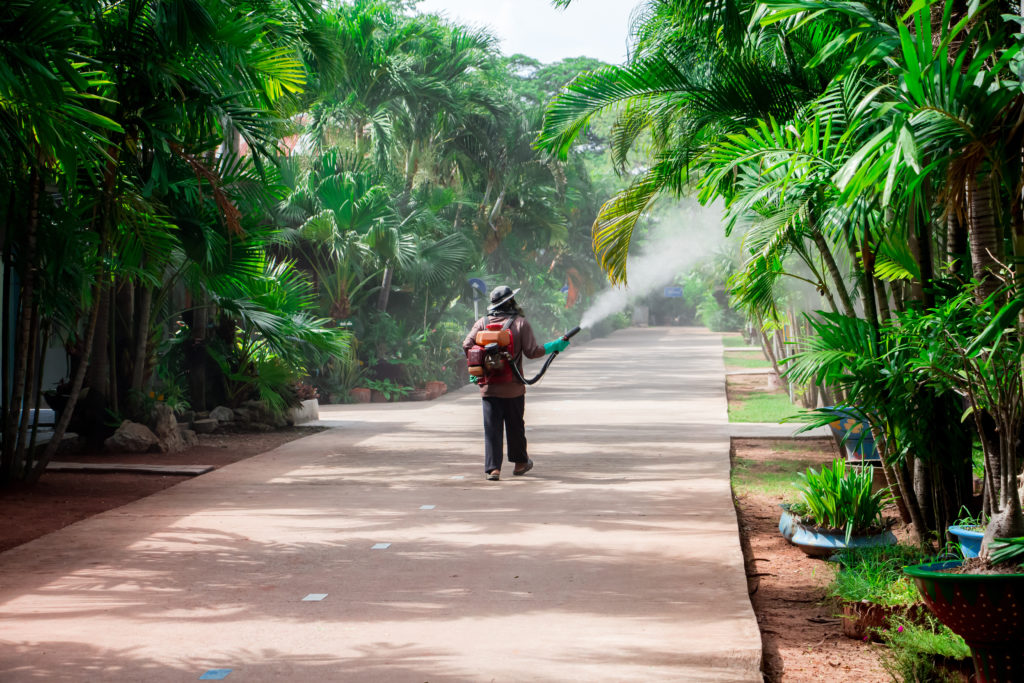
Image: Sprinkling to kill Aedes aegypti, a vector of Dengue, during the rainy season.


written by Chandana Balasubramanian

Halfway through every Hollywood disaster movie, when all hell breaks loose, a few rogue scientists are brought in. This handful of experts would have predicted the disease outbreak or catastrophe years, or sometimes decades, before. But their advice would have fallen on deaf ears – until it was almost too late.

Meanwhile, in real life, a large and vocal group of researchers and public health organizations are sounding the alarm about Dengue as a pandemic-level threat in the near future.

The relatively good news is that Dengue, a vector-borne illness, is not transmissible between humans. So, we can prevent a full-blown Dengue pandemic if the global community of public health officials:

But why is Dengue such a colossal threat? Why is prevention important?


Dengue cases on the rise

Currently, Dengue cases are estimated to be anywhere from 5 – 100 million. This wide range is because many cases stay unreported, or the symptoms of Dengue are confused for other diseases. But the number of Dengue cases is expected to boom in the next few decades, with 60% growth by 2080 [1].

The latest study on the spread of Dengue is by Aliaga-Samanez et al. from Spain [2]. The study is the first high-resolution analysis of how the risk of Dengue transmission has been changing geographically since the late 20th century. The study uses robust databases like the World Health Organization (WHO) [1], and the Global Infectious Disease and Epidemiology Online Network (GIDEON) [3] to track and map global Dengue cases since the 1900s.

All Dengue experts agree that the number of Dengue cases is rising fast and spreading wide across the globe. WHO estimates that about half the world’s population is now at risk [4]. Aliaga-Samanez et al. identified that the Dengue virus (DENV) has been making a home in previously low-risk areas, potentially due to global warming and deforestation. The authors also report that while the Aedes mosquito is responsible for Dengue transmission, DENV can be spread by primates and could adapt to be transmissible by other vectors.

Tracking the geographical spread of the Dengue virus by different vectors is complex. According to the primary researcher Alisa Samanez, using the GIDEON database – “one of the most complete data sources worldwide on zoonoses” – to build their own database was a significant factor to track a zoonotic disease like Dengue.


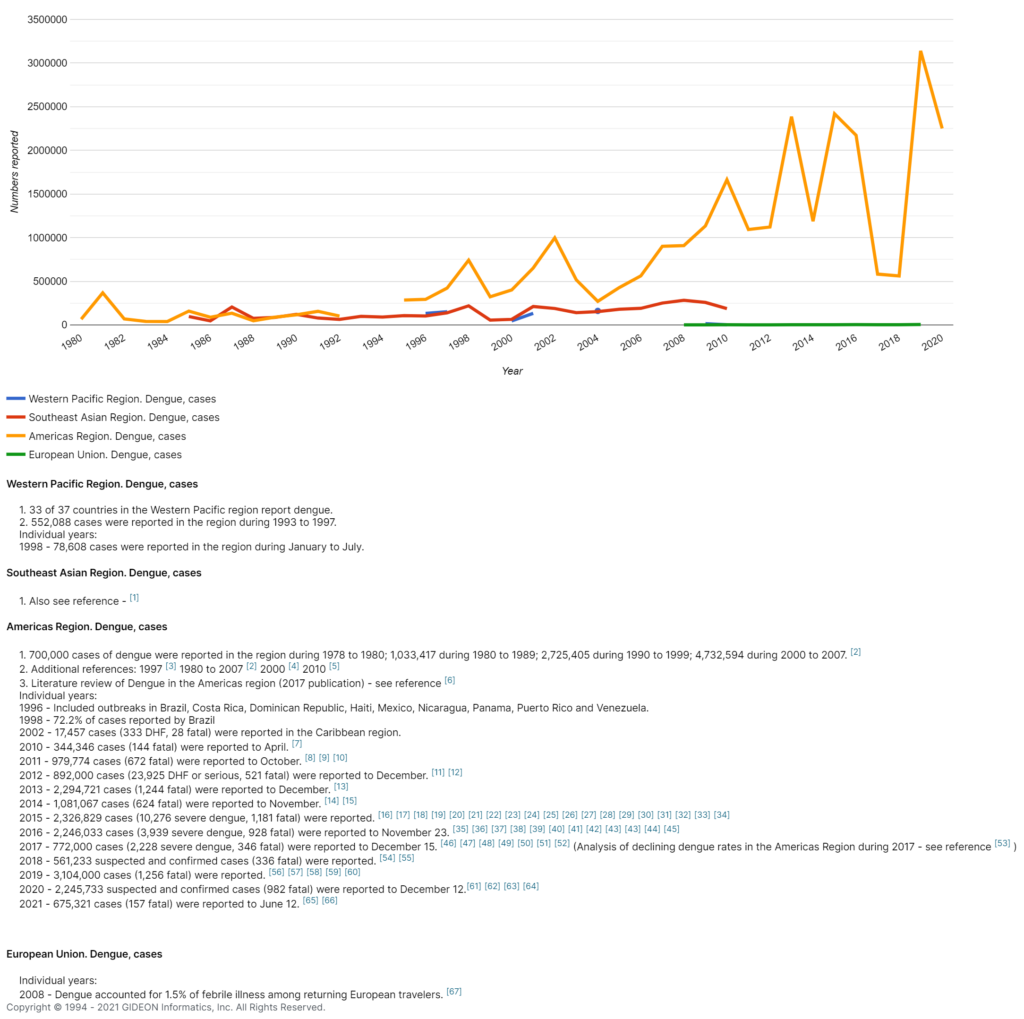
Reported Dengue cases in different regions, 1980 – 2020

Graph illustrating Dengue cases in different regions, 1980 - 2020
Image: Graph illustrating Dengue cases in different regions, 1980 – 2020. Copyright © GIDEON Informatics, Inc.


Dengue mosquitoes spread their wings worldwide

While Dengue cases are primarily found in the tropical regions of Asia, Africa, and the Americas, this is rapidly changing. The study from Spain determined that other regions now at risk are South-East China, Papua New Guinea, North Australia, South USA, parts of Colombia, Venezuela, Madagascar, and even Japan and South and Central Europe. The study predicts that Dengue could spread to Argentina and South-West Asia, from Pakistan and the Arabian Peninsula.

Ideally, public health officials in these regions will begin training their healthcare professionals to diagnose and treat Dengue early and raise awareness among their populations.  

For example, initially, Egypt’s Ministry of Health dismissed reports of Dengue fever in certain regions. But eventually, they reviewed published reports of Dengue outbreaks in studies that used GIDEON’s clinical tools. This prompted them to develop a training program for their health workers for the early detection and treatment of Dengue [5].

Two significant factors accelerating the spread of Dengue worldwide are the 2.9 trillion U.S dollar global travel and tourism industry and climate change.

Many studies indicate that international travelers are at considerable risk for Dengue spread. Ratnam et al. from Australia concluded that Dengue infections in international travelers occur frequently and may be associated with substantial morbidity [6]. 

What is worrisome is that while Dengue is not directly contagious between humans, it is transmittable from an infected human to an infection-free Aedes mosquito. So, if a Dengue-infected individual travels to another country during the viremic or infection-spreading period, a native Aedes mosquito may bite the individual and become infected [7]. This newly infected mosquito can infect other individuals.

Additionally, climate change is a contributor because rising temperatures in previously colder environments are fertile grounds for mosquitoes to thrive. Higher temperatures also shorten the cycle of a mosquito picking up a Dengue infection and transmitting it.


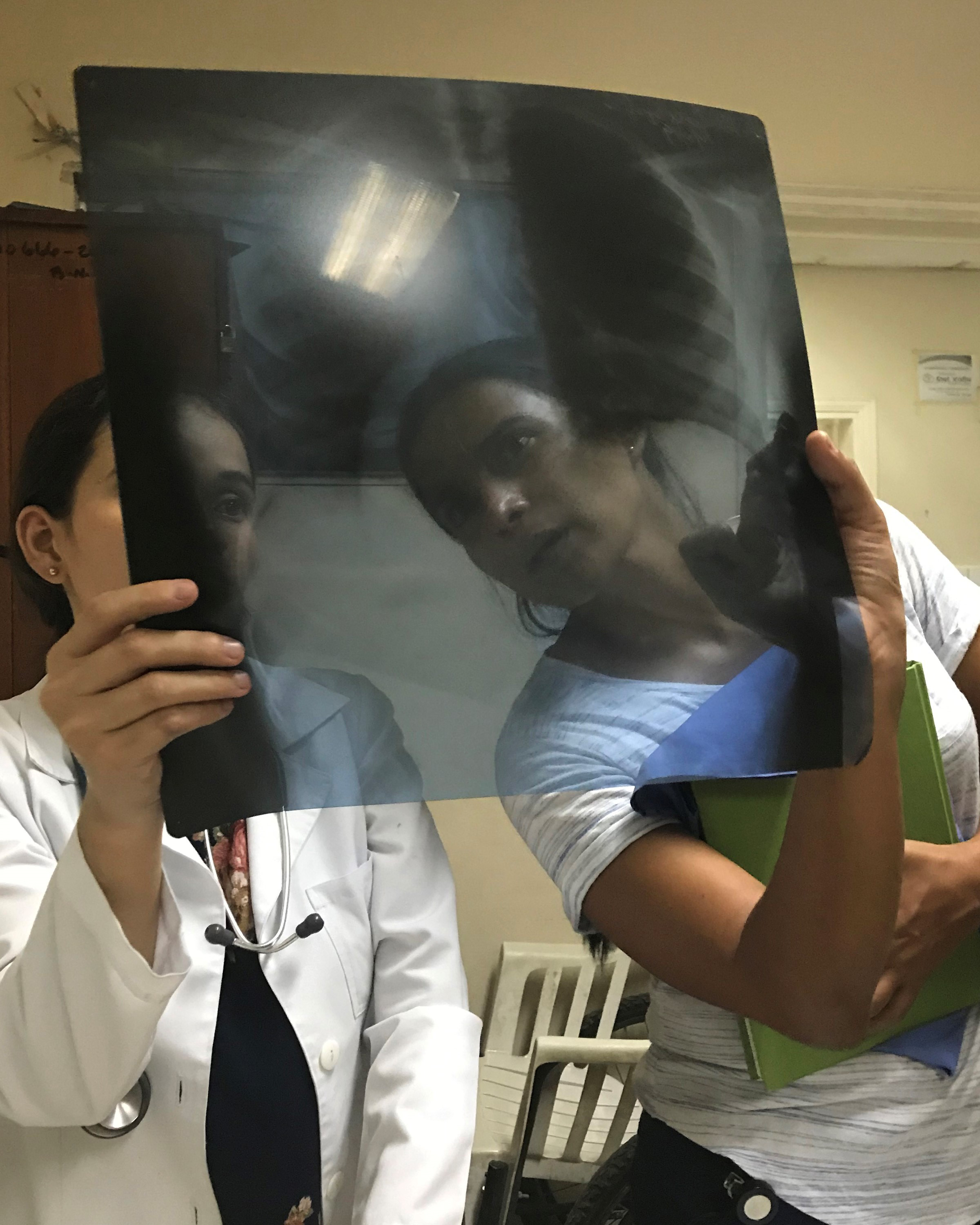
Captured in La Paz, Honduras, this August 2019 photograph, depicted Dr. Liliana Sanchez-Gonzales on the left, an Epidemiologist with the Centers for Disease Control and Prevention’s (CDC) Dengue Branch, along with an unidentified Honduran physician, as they were examining the chest x-ray of a patient, who was on the verge of developing severe dengue. The x-ray revealed the presence of fluid in her lungs, possibly due to plasma leakage, as she was going into dengue-related shock.
Image: Captured in La Paz, Honduras, this August 2019 photograph, depicted Dr. Liliana Sanchez-Gonzales on the left, an Epidemiologist with the Centers for Disease Control and Prevention’s (CDC) Dengue Branch, along with an unidentified Honduran physician, as they were examining the chest x-ray of a patient, who was on the verge of developing severe dengue. The x-ray revealed the presence of fluid in her lungs, possibly due to plasma leakage, as she was going into dengue-related shock.


Why is Dengue dangerous?

According to WHO, severe Dengue is a leading cause of serious illness, hospitalization, and death among children and adults in some Asian and Latin American countries [4]. Severe Dengue involves severe bleeding, liver, heart, and other organ impairment, and plasma leakage.

Many Dengue infections are mild with flu-like symptoms, but a lack of awareness and early detection could lead to severe Dengue. And since the incubation period varies from four to ten days, it may be overlooked or misdiagnosed until it becomes severe. Additionally, because there are four different types of the Dengue virus, individuals once affected by Dengue can be re-infected up to four times.

The Dengue vaccine is only available in certain countries and, as per WHO, is restricted to those aged 9 to 45 and individuals previously infected by DENV. Hopefully, we get a better alternative. But until then, we need to raise awareness about early detection and treatment on the frontlines and track outbreaks closely.


Conclusion

If we have learned anything from the COVID-19 pandemic, it is this: the best disaster control is early detection and prevention. According to Aliaga-Samanez et al., Dengue is poised to be the next pandemic. Only through global collaboration, rigorous tracking, and preventive public health programs can we banish health catastrophes like a Dengue pandemic to the world of fiction – away from our collective reality.


Did you like this article? Please share it on social media!

Check out more of our latest content here


References

[1] World Health Organization, “Global strategy for Dengue prevention and control, 2012-2020,” World Health Organization, Genève, Switzerland, 2012.
[2] A. A.-S. e. al., “Worldwide dynamic biogeography of zoonotic and anthroponotic Dengue,” PLoS Negl. Trop. Dis., vol. 15, no. 6, p. e0009496, 2021.
[3] B. S, “Dengue: Global Status,” GIDEON Informatics, Inc., Los Angeles, California, USA, 2015.
[4] W. W. H. Organization, “Dengue and Severe Dengue Fact Sheet,” World Health Organization, 19 May 2021. [Online]. Available: https://www.who.int/news-room/fact-sheets/detail/Dengue-and-severe-Dengue. [Accessed 04 07 2021].
[5] Department of Tropical Medicine, Ain Shams University, Cairo, Egypt, “Dengue fever, Correspondence to Nadia A Abdelkader, MD,” Egypt J Intern Med, vol. 30, pp. 47-48, 2018.
[6] F. Irani Ratnam, “Dengue Fever and International Travel,” Journal of Travel Medicine, vol. 20, no. 6, p. 384–393, 2013.
[7] J. P. Messina, “The current and future global distribution and population at risk of Dengue,” Nature Microbiology, vol. 4, p. 1508–1515, 2019.

Monkeypox Virus in Texas: Are We Ready to Prevent the Next Outbreak?

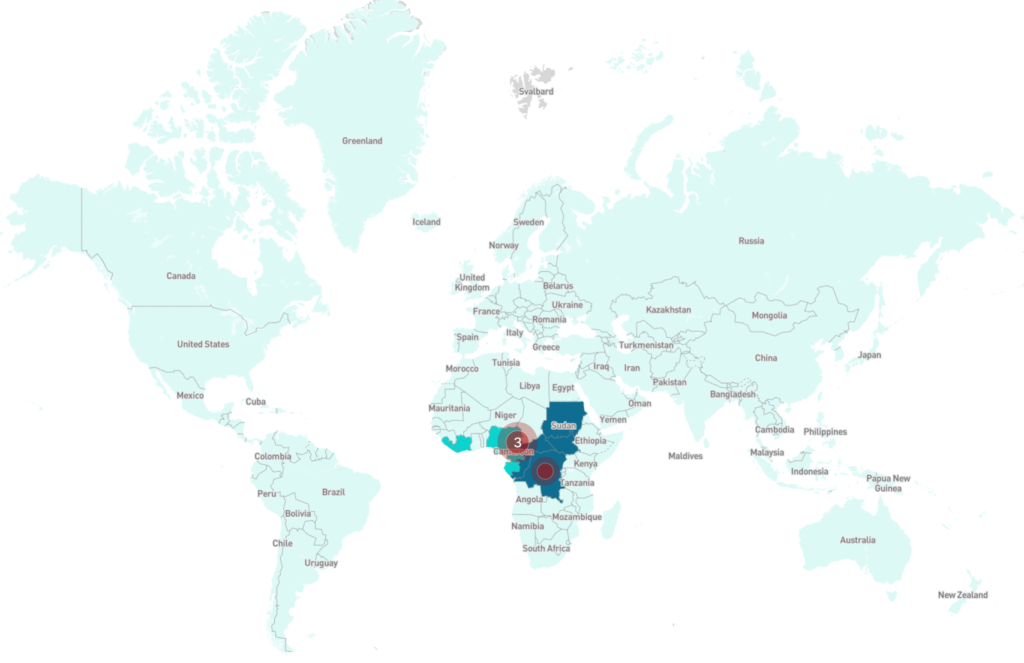
Monkeypox outbreaks map 2018-2021
Image: World map of Monkeypox outbreaks, 2018-2021. Copyright © GIDEON Informatics, Inc.


written by Chandana Balasubramanian

Hot on the heels of the COVID-19 virus and its variants, another infectious virus recently landed in the United States. On July 9th, 2021, a passenger with monkeypox flew from Lagos in Nigeria to the United States, ultimately landing in Dallas, Texas. The Centers for Disease Control and Prevention, CDC confirmed the case of Monkeypox on July 15th – the first case of monkeypox in the United States in almost 20 years. While rare, the Monkeypox virus is contagious and kills one in ten people that it infects.


“…we are only a plane ride away from any global infectious disease.”

– Dr. Philip Huang, Director of the Dallas County Health and Human Services.


A few fortunate events prevented a Monkeypox outbreak in the United States this time around. 

  1. Symptoms Presented Early: Symptoms of monkeypox are similar to those of smallpox and can take anywhere from 7 to 14 days to appear after getting infected (incubation period). Luckily, symptoms presented earlier, and the patient visited a hospital within four days of entry into the country. 
  2. Early Detection by Frontline Clinicians: The symptoms of monkeypox include fever, headache, backache, swollen lymph nodes, chills, and fatigue. Within three days of the onset of fever, a rash appears on the face and spreads to other parts of the body. Doctors and healthcare workers at the Dallas hospital were able to identify and diagnose monkeypox quickly, so the infected patient was isolated early. 
  3. Mask Mandates and Social Distancing: Monkeypox can spread from person to person through respiratory droplets and body fluids. In this instance, a huge silver lining is that due to COVID-19 mandates, everyone, including the patient, other passengers, airline and airport staff, and others wore masks. This helped prevent the spread. 

Monkeypox is transmitted to humans through infected animals or other humans. Animals can share it through bites, scratches, or direct contact with body fluids. Human transmission is mostly through respiratory droplets and body fluids but also contact with contaminated clothes. 

While there was no outbreak this time, there have been a few in prior years.

***

Monkeypox Outbreaks

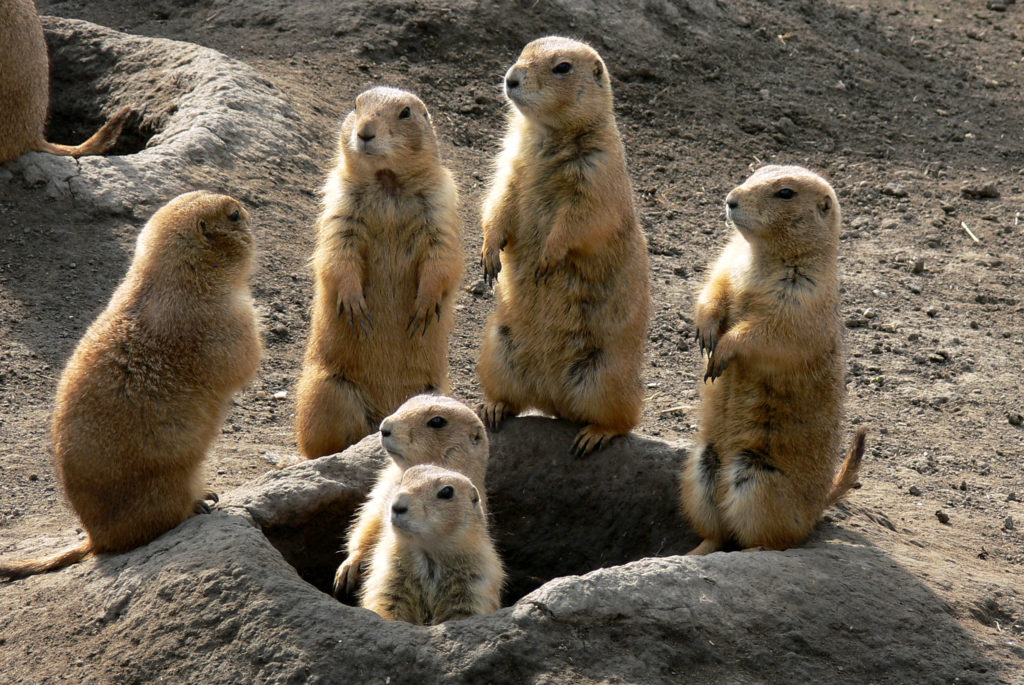
In the case of monkeypox, there have been notable outbreaks in the past. In 2003, 81 people in the United States were infected with monkeypox through contact with prairie dogs. These animals acquired the virus from rodents imported from Ghana.

Prairie dog family watching around their hole
Image: Prairie dog family watching around their hole


In 2018-2019, five cases of monkeypox were reported in Israel, Singapore, and London. The UK also had one additional case in May 2021. Worldwide, Monkeypox cases are on the rise. In 2020, almost 4,500 cases of monkeypox were reported in the Democratic Republic of Congo in just nine months. 

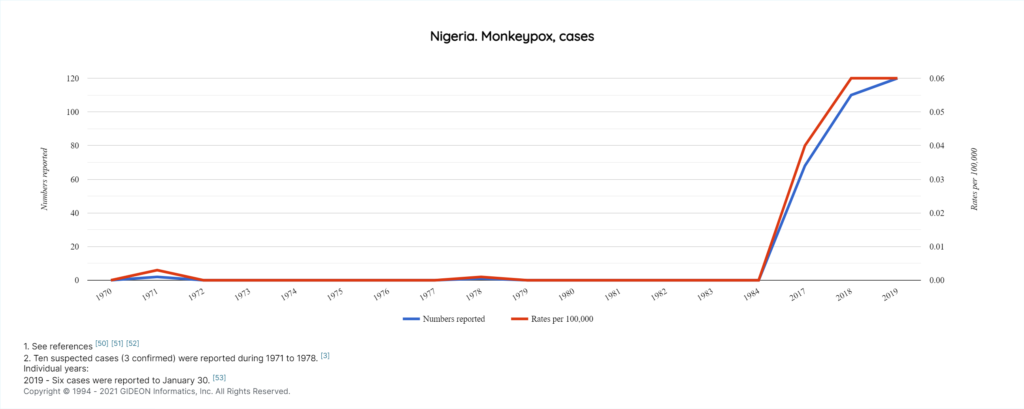
According to the GIDEON (Global Infectious Diseases and Epidemiology Network) country note on Monkeypox in Nigeria, there were six cross-border events of monkeypox from Nigeria to other countries and two notable outbreaks. In the latest one from 2017-2021, 446 people in Nigeria were infected with Monkeypox.


Monkeypox cases in Nigeria 1970 - 2019
Image: Graph illustrating Monkeypox cases in Nigeria 1970 – 2019. Copyright © GIDEON Informatics, Inc.


Diagnosing Monkeypox Accurately

Monkeypox has specific symptoms that distinguish it from other diseases. Swollen lymph nodes and a telltale rash help diagnose it more accurately, but misdiagnosis is possible. 

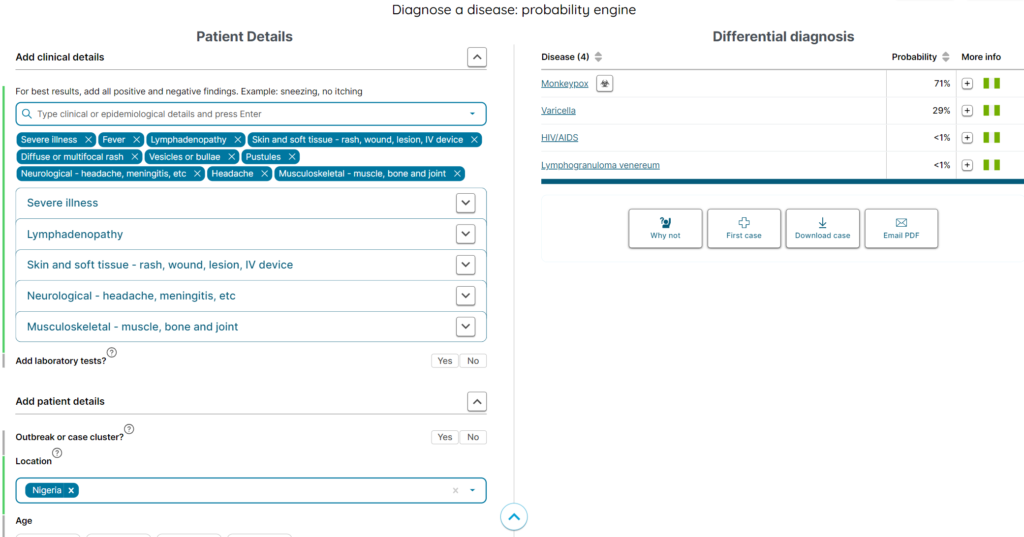
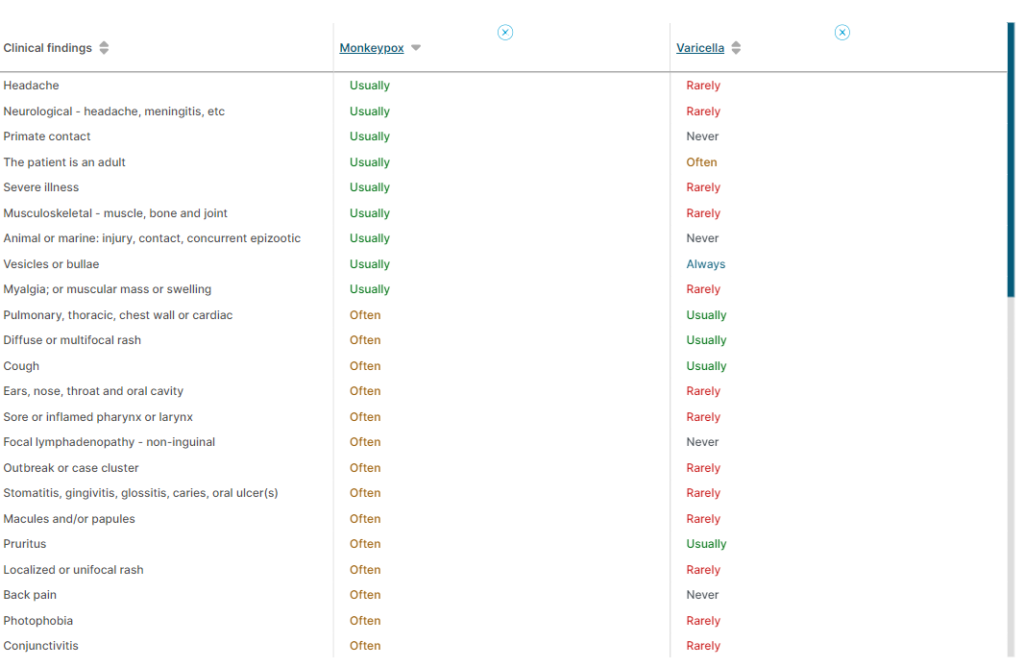
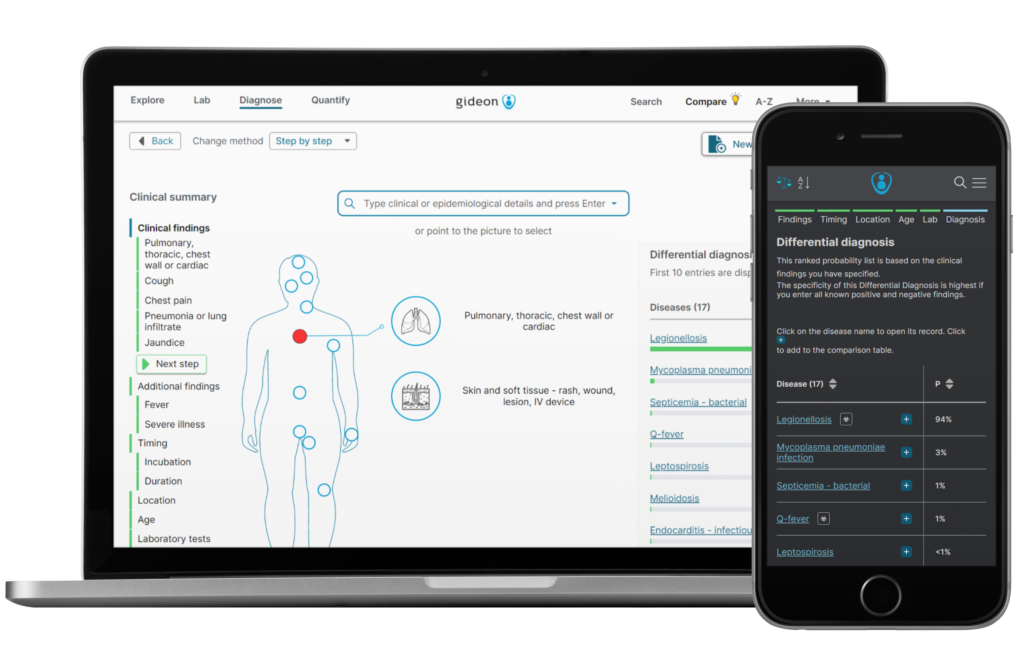
Let’s look at the illustration below. When we add patient travel history from Nigeria and the symptoms of monkeypox like fever, headache, generalized lymphadenopathy, skin lesions or rash, and others into the GIDEON infectious disease diagnostic probability engine, Varicella is also a strong contender. But the presence of ‘severe illness’ and the type of rash signifies a greater probability of Monkeypox.


GIDEON diagnostic probability engine. Differential diagnosis of Monkeypox
Image: GIDEON probability engine, differential diagnosis of Monkeypox. Copyright © GIDEON Informatics, Inc.


GIDEON’S side-by-side comparison of the clinical features of Monkeypox and Varicella helps narrow down and confirm the Monkeypox diagnosis based on patient presentation. 

GIDEON disease comparison table - Monkeypox vs. Varicella
Image: GIDEON disease comparison table – Monkeypox vs. Varicella. Copyright © GIDEON Informatics, Inc.


As Monkeypox has no cure, saving lives relies on early detection and control of spread.  Although there is some evidence that vaccination against smallpox may also prevent monkeypox, the Smallpox vaccine is no longer used. Another outbreak could happen anywhere, anytime.


Are we prepared to detect the next infectious disease that crosses our shores early? 

***

Detecting Foreign Infectious Diseases Early

Regarding the July 2021 Monkeypox case in Dallas, Dr. Philip Huang, the Director of the Dallas County Health and Human Services, stated, “This is another demonstration of the importance of maintaining a strong public health infrastructure, as we are only a plane ride away from any global infectious disease.”

Indeed, as the COVID-19 pandemic demonstrated, it is easy for emerging infectious diseases to spread rapidly worldwide. As seen in the Texas Monkeypox case, if patient travel history is considered at first presentation and symptoms are detected early, we can stop the spread of a disease-causing pathogen. 

Healthcare providers are our first line of defense against infectious diseases. Unfortunately, clinicians, nurses, emergency room workers, paramedics, and ambulance drivers in clinics and hospitals are also some of the first casualties from infection. The World Health Organization (WHO) recently reported that 115,000 healthcare workers have died from COVID-19. With the Delta variant on the loose, the pandemic is very much underway, and this number may rise. Protecting our borders and healthcare workers from emerging infectious diseases requires better access to advanced diagnostic tools with epidemiological data. 

When frontline clinicians have doubts about their initial assessment, they can conduct a differential diagnosis by comparing a patient’s symptoms with other diseases or consult infectious disease specialists. However, if they do not, or cannot, refer to a specialist or use an infectious disease platform for differential diagnosis (DDx), the disease-causing virus or bacteria may be misidentified and spread unchecked. 

***

The best way to catch emerging infectious diseases early is to equip frontline clinicians with comprehensive data on all reported infectious diseases, including:

  • a list of symptoms, 
  • the ability to compare conditions with similar presentations, and 
  • a history of global outbreaks and documented cases, 
  • country-specific notes on disease outbreaks. 


Did you like this article? Please share it on social media!

Check out more of our latest content here

Misdiagnosing Legionellosis or Legionnaires’ Disease Can Be Fatal. But Why Is It Still Common?

Yellow water is poured from the tap into the glass: standard Legionellosis testing procedure

by Chandana Balasubramanian

Pathogen of the month: Legionella

Doubt strikes fear into the hearts of many. But it is a powerful tool in the hands of medical professionals and researchers. Being uncertain is the impetus that drives truth-seeking peer-to-peer verification and differential diagnoses that can help save lives.

Take Legionnaires’ disease. It is one of the leading causes of pneumonia worldwide [1]. If left untreated without the right antibiotics, it can be fatal. In the United States alone, the economic burden of just one year of Legionnaires’ disease cases can be over 800 million US dollars [2].

Surprisingly, it is often overlooked. So much so that even the World Health Organization or WHO states, “Since many countries lack appropriate methods of diagnosing the infection or sufficient surveillance systems, the rate of occurrence is unknown. In Europe, Australia, and the USA, there are about 10–15 cases detected per million population per year [1].”

A great place to begin addressing these challenges is if clinicians are willing to embrace doubt when faced with diagnosing pneumonia-like symptoms.

What causes Legionnaires’ Disease or Legionellosis?

There were many historical events in 1976. NASA unveiled their first space shuttle, Apple Computers was born, and the first Rocky movie was released. Unfortunately, it was also the year a tragic event led to the discovery of Legionnaires’ disease.

On July 21st, 1976, 4000 delegates from the American Legion, America’s largest veterans’ service organization, traveled to Philadelphia for a convention. Within a few weeks, almost 200 got sick with an upper respiratory illness, and 29 died. It took nearly five months of investigations to identify the pathogen – Legionella – as the cause [3].

Legionnaires’ disease or Legionellosis is caused by the bacteria Legionella. It lives in water and soil and can cause health issues when it grows in showerheads and faucets, hot tubs, and in stagnant water and air conditioning systems in large buildings. We are susceptible to infection by Legionella when we inhale water droplets with the bacteria in it or come in contact with contaminated soil. Legionellosis is not spread through direct human-to-human transmission. It has an incubation period of 2 to 10 days.

Legionella is widely found in warm water environments, so most cases of Legionnaires’ occur in the summer and early autumn. Legionnaires’ is a public health issue. Cassell et al. caution that utmost care must be taken when COVID-19 restrictions are lifted worldwide. Going back to work or school in buildings left unoccupied or unused during lockdowns is a risk factor for Legionellosis [4]. 

Paterna, Valencia, Spain: 03.05.2020; The legionella training
Paterna, Valencia, Spain, 2020; The Legionella training


Why is Legionnaires’ Disease often misdiagnosed or overlooked?

According to Reller et al. [5], a wrong Legionellosis diagnosis is often due to:

  1.     The inability to distinguish Legionnaires’ disease from other types of pneumonia, clinically and radiographically,
  2.     Failure to order diagnostic tests for Legionella infection, and
  3.     Inadequacies in current diagnostic tests and protocols.

The majority of Legionnaires’ disease cases each year remain undiagnosed; the world still awaits better diagnostic tests and protocols for Legionellosis. But the issue of “failure to order diagnostic tests for Legionella infections” can be fixed. The Urine Antigen Test (UAT) and sputum tests prescribed for Legionella are inexpensive, so cost is not the issue.

The solution lies in training medical professionals to embrace doubt and challenge their confirmation biases. Clinicians who take a few minutes to input a patient’s pneumonia and accompanying symptoms on a robust, clinical decision support tool like GIDEON (Global Infectious Diseases and Epidemiology Network) can better understand how to proceed. 

For example, when the COVID-19 pandemic hit, experts cautioned clinicians to be on the alert for Legionellosis as well. The concern was that clinicians might repeatedly be testing community-acquired pneumonia patients for COVID-19 but not Legionellosis – which would delay diagnosis and treatment. Since initial clinical presentations for the two are similar, clinical decision tools can be extremely useful.

GIDEON, for example, has a built-in feature to help clinicians challenge their confirmation biases. A ‘Why Not?’ feature helps clinicians understand why a specific diagnosis does not show up on the list of probable causes of a patient’s symptoms.

Legionnaires’ disease, misdiagnosed as Malaria, can be fatal because malarial drugs do not work against Legionella. It is even more critical to get the right diagnosis early. 


Legionellosis Misdiagnosed as Malaria

Take the example of the agricultural expert from Israel wrongly diagnosed with malaria instead of Legionellosis. He had traveled to India to work on a farming project in 2005. A week later, when he returned to Israel, he developed fever, headache, vomiting, and muscle pain. In two days, he felt better, but the symptoms reappeared but with cough, shortness of breath, and rigors in tow. The patient was highly lethargic, hypotensive, and blood tests showed elevated bilirubin and creatinine levels.

Because of his recent travel to India, doctors thought it was Malaria. He was started on malarial medication while laboratory tests were being processed. But when blood smears proved negative for Malaria, his doctors wondered if it was Dengue.

Luckily for him, his doctors decided to challenge their cognitive biases and conducted a differential diagnosis. They entered the patient’s symptoms in the popular DDx or differential diagnosis tool, GIDEON. To their surprise, neither Malaria nor Dengue showed up as possibilities. But given the symptoms and the incubation period, Legionellosis turned out to be the prime (and accurate) suspect. This saved his life because standard malarial therapy does not work against Legionellosis.

Legionellosis diagnosis on GIDEON application - two devices

Conclusion

Misdiagnosing Legionnaires’ disease can be fatal, lead to a public health crisis, and add hundreds of millions to an already astronomically high healthcare burden. One of the main reasons it is often overlooked is that clinicians may not think about testing for Legionellosis when treating a patient with pneumonia.

Equipping clinicians with the right clinical diagnosis tools can help them validate their assumptions. Not only that, using a tool like GIDEON, clinicians can also challenge their confirmation biases and learn why a diagnosis does not apply to a specific set of symptoms.

Getting to the correct answer starts with harboring and encouraging healthy doubt in initial diagnoses. As the famous philosopher, Voltaire said, “Doubt is not a pleasant condition, but certainty is absurd.”


Did you like this article? Please share it on social media!

Check out more of our latest content here


References

[1] WHO, World Health Organization, “Fact Sheet: Legionellosis,” WHO, February 16th, 2018. [Online]. Available: https://www.who.int/news-room/fact-sheets/detail/legionellosis. [Accessed 08 07 2021].
[2] K. R. C. E. a. S. C. M. Baker-Goering, “Economic Burden of Legionnaires’ Disease, United States, 2014,” Emerg Infect Dis., vol. 27, no. 1, pp. 255-257, 2021.
[3] J. E. M. e. al., “Legionnaires’ disease: Isolation of a bacterium and demonstration of its role in other respiratory diseases,” N. Engl. J. Med., vol. 297, no. 22, pp. 1197-1203, 1977.
[4] K. Cassell, “Legionnaires’ disease in the time of COVID-19,” Pneumonia, vol. 13, 2021.
[5] L. R. e. al., “Diagnosis of Legionella Infection,” Clinical Infectious Diseases, vol. 36, no. 1, pp. 64-69, 2003.

Vaccine Heroes

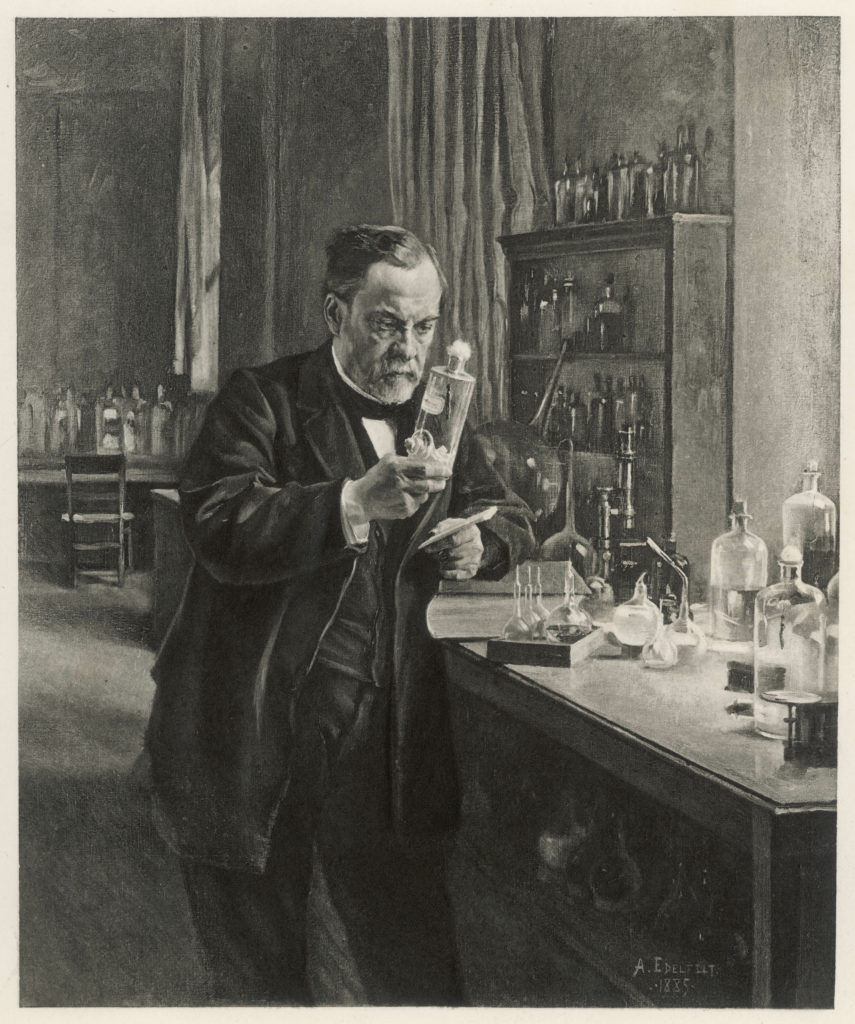
Louis Pasteur in his laboratory,1885
Louis Pasteur, the inventor of four vaccines, in his laboratory, 1885


The COVID-19 pandemic has been an eye-opener regarding the detrimental impact of microbial species on the human body. Vaccines act as vital tools for developing immunity against various infectious organisms through the recognition of targeted pathogens by the immune system. (Find more information on the mechanism of action of multiple types of vaccines here).

The initial development of vaccines resulted from the tireless efforts of many prestigious researchers who selflessly pursued the prevention of infectious diseases. Here is a brief sneak peek into the contributions of a few of these scientists whose invaluable efforts have saved millions of lives.


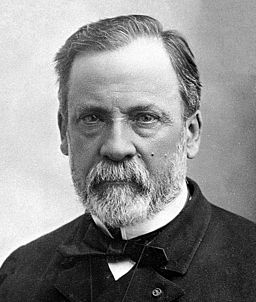
Portrait of vaccine hero Louis Pasteur

Louis Pasteur

In the 1880s, Louis Pasteur developed vaccines for four potentially fatal infections, including Chicken Cholera, Anthrax, Swine Erysipelas, and Rabies. He was the first to introduce the use of live attenuated pathogens to develop immunity against the causative organisms (1). The vaccine for Chicken Cholera (Pasteurella multocida) was the first to be developed in a laboratory. Pasteur received several medals and honors, including the Leeuwenhoek Medal from the Royal Netherlands Academy of Arts and Sciences for his contributions to microbiology in 1895 (2).


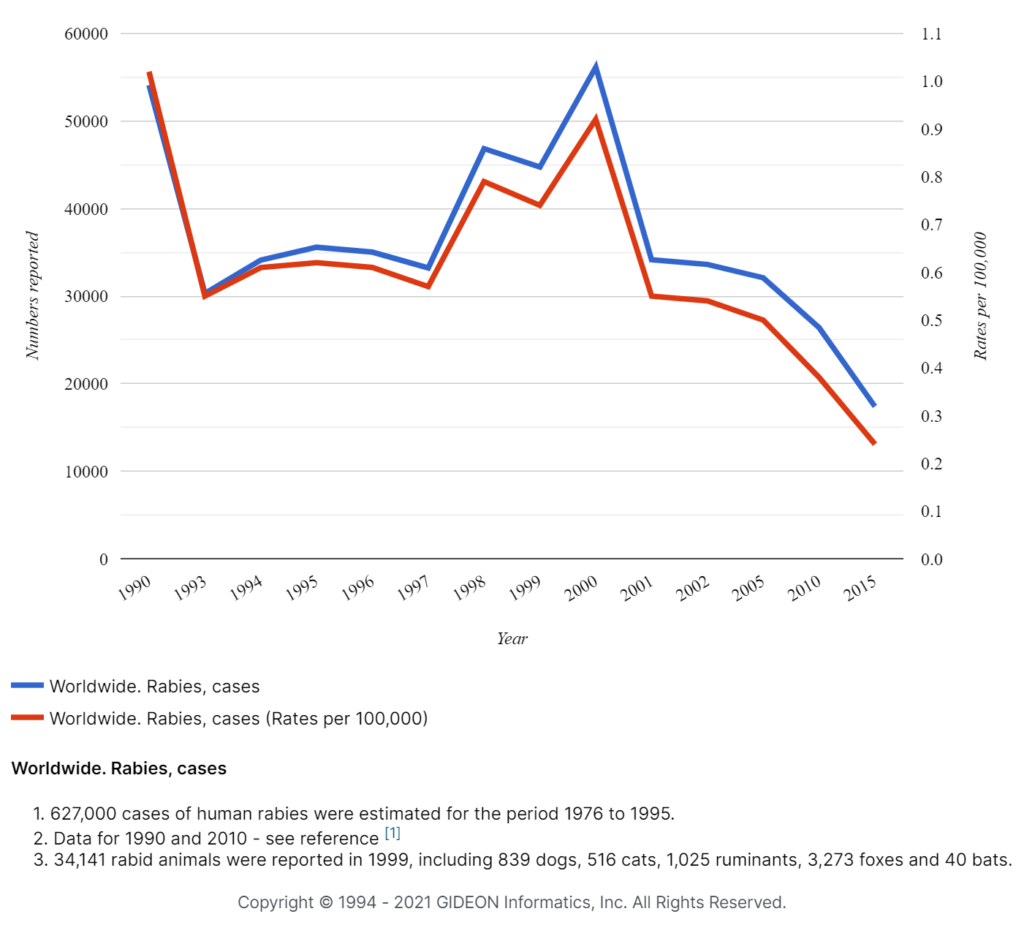
Rabies cases and rates worldwide, 1990 – 2015

Rabies cases and rates worldwide, 1990 - 2015


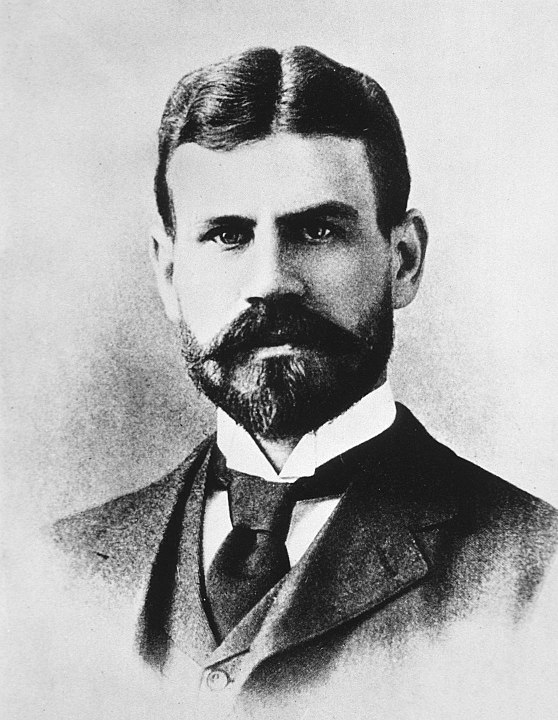
Waldemar Mordecai Wolffe Haffkine

Waldemar Mordecai Wolffe Haffkine

Waldemar Haffkine developed the first vaccines for Cholera and Plague, in the 1890s (3). Haffkine tested these inoculations on himself before initiating mass human trials. He conducted most of his studies in India, a hub of Cholera and Plague, and his monumental work saved the lives of millions of people.


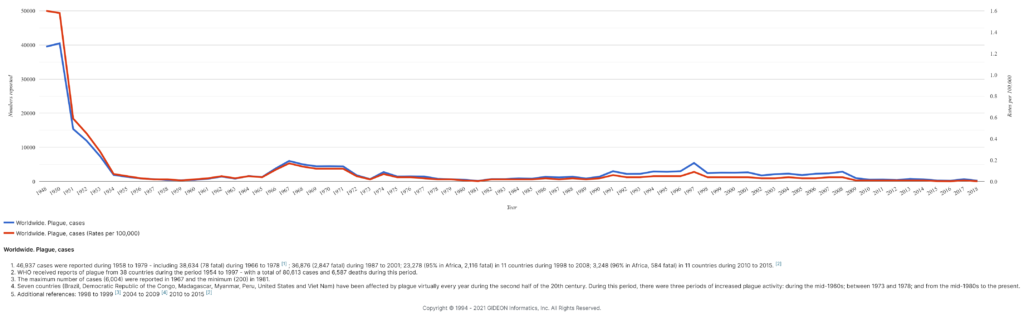
Plague cases and rates 1948 – 2018

Plague cases and rates 1948 - 2018


Jesse William Lazear, 1866 - 1900

Jesse William Lazear

Dr. Jesse Lazear was an American physician who played a critical role in understanding the transmission of Yellow fever, a life-threatening viral infection (4). It was later revealed that he “allowed himself to be bitten by mosquitoes that had fed on the blood of patients with yellow fever,” which eventually led to his demise. His sacrifice was crucial in establishing the relationship between mosquitoes and Yellow fever, which later formed the basis of the development of key preventative strategies.


Max Theiler

Max Theiler

Max Theiler received the Nobel Prize in Medicine or Physiology “for his discoveries concerning Yellow fever and how to combat it” in 1951 (5). He pioneered the work on the development of a safe, standardized vaccine for the disease. In his studies, he used mice instead of rhesus monkeys, which were considered to be the main reservoir of the infection. Following this, mice continued to serve as standard tools for the study of zoonotic diseases by future researchers (6).


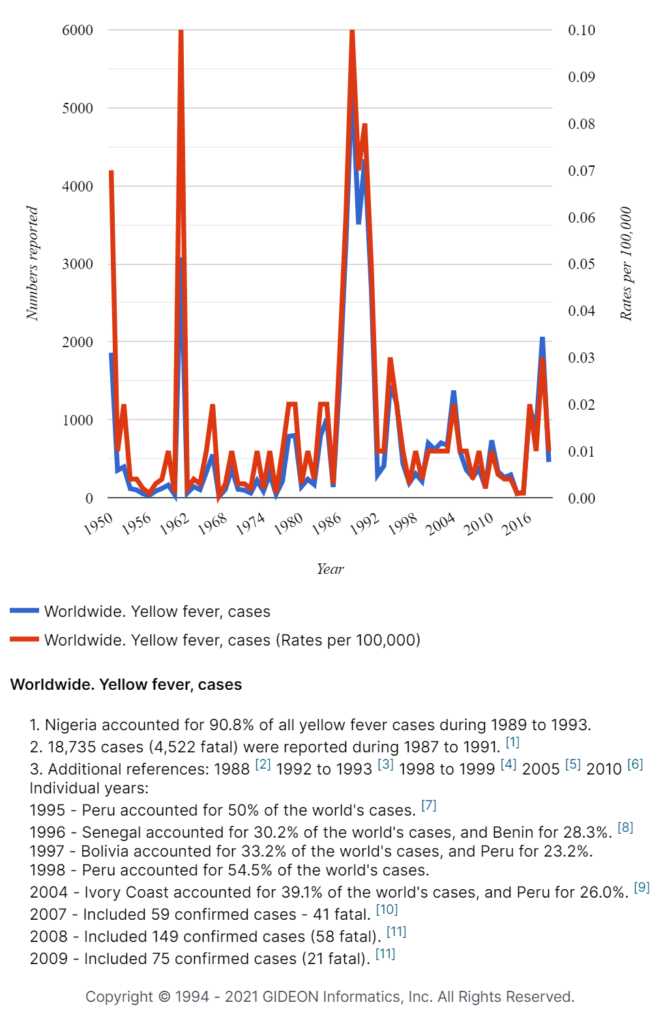
Yellow fever cases and rates worldwide, 1950 – 2016

Yellow fever cases and rates


Pearl Kendrick (left) and Grace Eldering. Photo credit: Michigan Women’s Hall of Fame

Grace Eldering & Pearl Kendrick

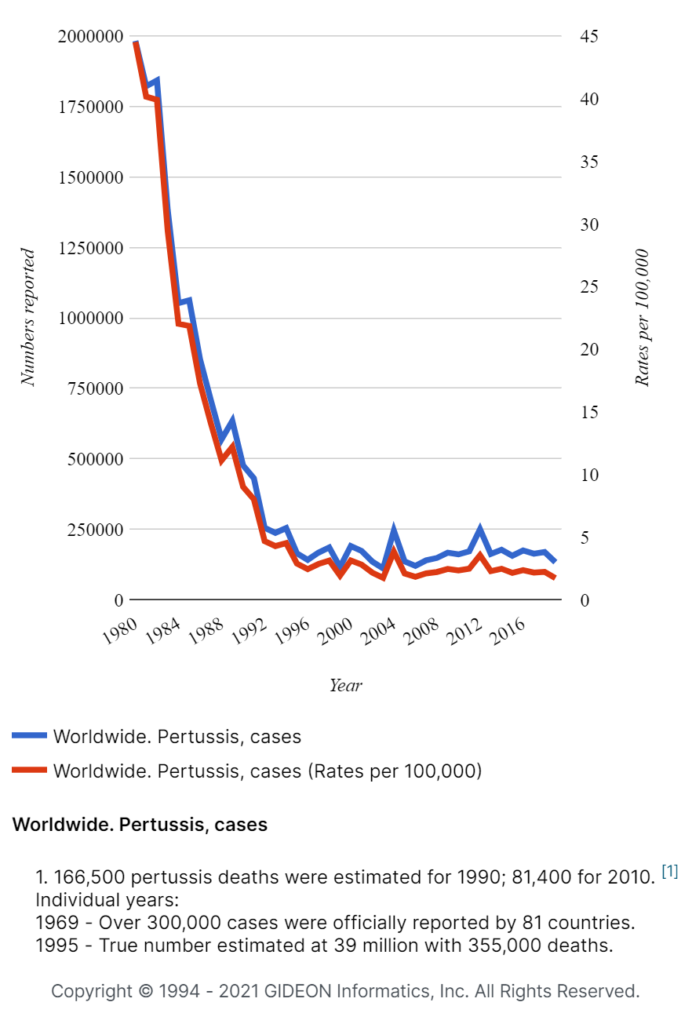
Both scientists conducted in-depth studies on Pertussis (whooping cough), which then became the basis of the development of a vaccine (7). Interestingly, both Grace Eldering and Pearl Kendrick suffered from whooping cough in their childhood, which was said to be the motivation behind their work. They were also involved in combining the Pertussis vaccine with those of Diphtheria and Tetanus to produce the DPT vaccine.


Pertussis cases and rates worldwide, 1980 – 2018

Pertussis worldwide 1980 - 2018


Portrait of John Franklin Enders

John Franklin Enders

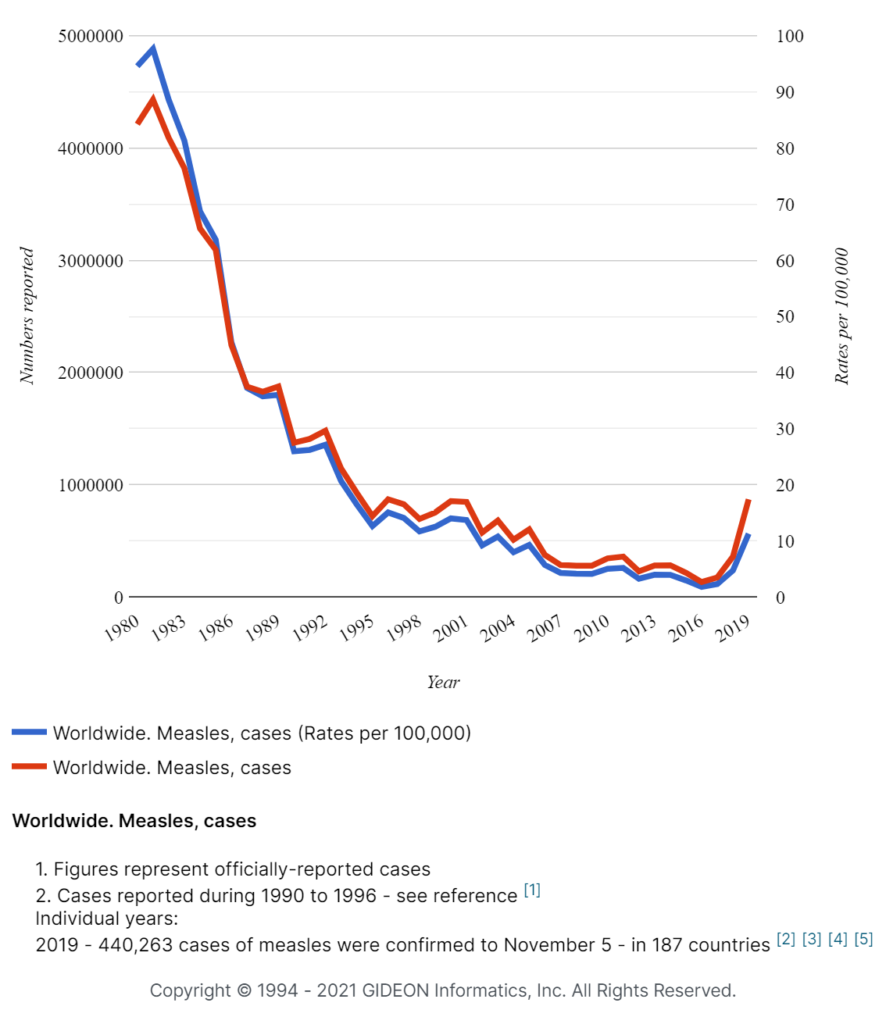
John Franklin Enders is referred to as “The Father of Modern Vaccines.” In 1954, he, along with Thomas H. Weller and Frederick C. Robbins, received the Nobel Prize in Physiology or Medicine for the successful in-vitro culture of the Poliomyelitis viruses (poliovirus) (8). Subsequently, Enders and his colleagues worked on developing a vaccine against the Measles virus, resulting in the availability of a live attenuated Measles virus vaccine and a deactivated Measles virus vaccine – marketed by Merck & Co. and Pfizer, respectively (9).


Measles cases and rates worldwide, 1980 – 2019

Measles worldwide cases and rates


The names mentioned above are just a few of the many scientists whose dedication, hard work, and intellect helped develop safe and effective vaccines, providing immeasurable contributions to our healthcare system.


Did you like this article? Share it on social media!

Check out more of our latest content here


References

  1. FLEMING A. Louis Pasteur. Br Med J. 1947 Apr 19;1(4502):517-22. doi: 10.1136/bmj.1.4502.517.
  2. “Leeuwenhoek Medal”, Royal Netherlands Academy of Arts and Sciences [Online]. Available. https://www.knaw.nl/en/awards/laureates/leeuwenhoekmedaille
  3.     Hawgood BJ. Waldemar Mordecai Haffkine, CIE (1860-1930): prophylactic vaccination against Cholera and bubonic Plague in British India. J Med Biogr. 2007 Feb;15(1):9-19. doi: 10.1258/j.jmb.2007.05-59.
  4.     Reed W, Carroll J, Agramonte A, Lazear JW. Classics in infectious diseases. The etiology of yellow fever: a preliminary note. Walter Reed, James Carroll, A. Agramonte, and Jesse W. Lazear, Surgeons, U.S. Army. The Philadelphia Medical Journal 1900. Rev Infect Dis. 1983 Nov-Dec;5(6):1103-11.
  5.     “Max Theiler Biographical”, The Nobel Prize [Online]. Available https://www.nobelprize.org/prizes/medicine/1951/theiler/biographical/
  6.     Norrby E. Yellow fever and Max Theiler: the only Nobel Prize for a virus vaccine. J Exp Med. 2007 Nov 26;204(12):2779-84. doi: 10.1084/jem.20072290.
  7.     Shapiro-Shapin CG. Pearl Kendrick, Grace Eldering, and the pertussis vaccine. Emerg Infect Dis. 2010 Aug;16(8):1273-8. doi: 10.3201/eid1608.100288.
  8.     “John F. Enders Biographical”, The Nobel Prize [Online]. Available https://www.nobelprize.org/prizes/medicine/1954/enders/biographical/
  9.     Katz SL. John F. Enders and measles virus vaccine–a reminiscence. Curr Top Microbiol Immunol. 2009; 329:3-11. doi: 10.1007/978-3-540-70523-9_1.

Tracking Dengue: An Interview With Alisa Aliaga-Samanez

“The rapid spread of Dengue could lead to a global pandemic, and so the geographical extent of this spread needs to be assessed and predicted. There are also reasons to suggest that transmission of Dengue from non-human primates in tropical forest cycles is being underestimated.”

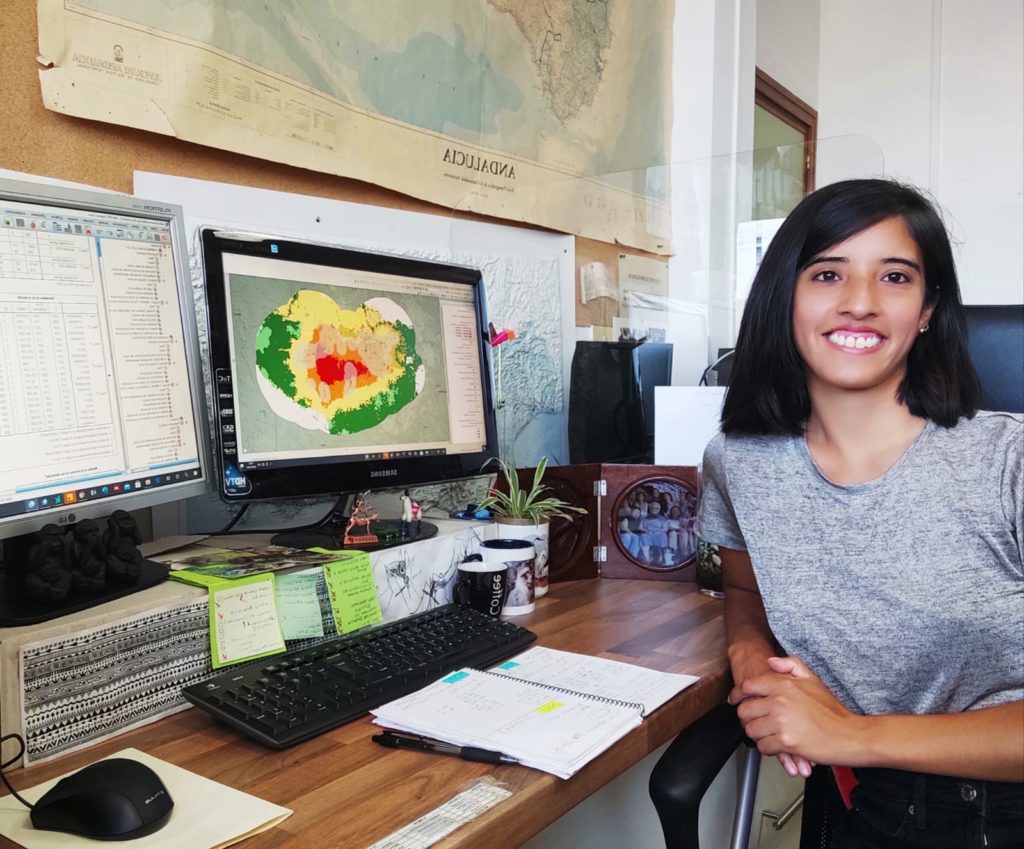
Alisa Aliaga-Samanez sitting by the computer
Alisa Aliaga-Samanez


Exactly one month ago, on June 7th, PLOS Neglected Tropical Diseases published a research article Worldwide dynamic biogeography of zoonotic and anthroponotic Dengue. The study is the first high-resolution analysis of how the risk of Dengue transmission has been changing geographically since the late 20th century, indicating the virus (DENV) has been making a home in previously low-risk areas, potentially due to global warming and deforestation. 

We spoke with the corresponding author Alisa Aliaga-Samanez, who worked alongside Marina Cobos-Mayo, Raimundo Real, Marina Segura, David Romero, Julia E. Fa, and Jesús Olivero, to learn more about the importance of this study and her experience working with GIDEON data. 


How did you find out about GIDEON?  

We got to know GIDEON thanks to an article published in PNAS by Kris A. Murray and colleagues entitled “Global biogeography of human infectious diseases.”


What were the reasons behind choosing the GIDEON database as one of your data sources?

We know that GIDEON is one of the most complete data sources worldwide on zoonoses, so we wanted to use it to build our database. For that reason, the project where I work at the University of Malaga funded our access to GIDEON.


What is the importance of biogeography studies like this one to public health management?  

Biogeographical studies, through modeling, applied to pathogens, allow us to understand the distribution of infectious diseases. The occurrence of disease cases is related to social factors but also to environmental variables that determine the degree to which certain environments favor the occurrence of disease, even where it has not been recorded. Thanks to the tool we use in our study, we are able to propose different management strategies depending on which factors favor the risk of transmission in different regions of the world. We took into account three possible biogeographical scenarios related to Dengue transmission risk: (1) zones with favorable conditions for viruses and vectors, (2) favorable conditions for virus only, and (3) favorable conditions for vectors only. Besides, our biogeographical approach helped us to analyze the extent of the areas where non-human primates could be involved in sylvatic Dengue cycles.


Do you believe the risks of the Dengue pandemic are exacerbated by global warming?  

We think global warming may be one of the factors that could be favoring vectors to adapt to new environments. A study published by Messina and colleagues in 2019 concluded that the World’s population at risk of Dengue could experience an almost 60% increase by 2080. In addition, they suggested that outbreaks could reach areas in continents such as Australia, Argentina, Japan, eastern China, and southern Europe.

Melting ice
Photo by William Bossen on Unsplash


In your experience, how effective study such as yours at influencing change in government and health policies, and do you think work like this will be taken more seriously following the COVID-19 pandemic?  

We have seen that governmental bodies such as WHO or CDC rely on scientific studies to manage risk areas, but we feel that this work is being limited in Africa, for example. On the other hand, some diseases already have a vaccine available, such as yellow fever, but its application might not be well managed in some African countries, where large outbreaks occur. In the case of Dengue, a vaccine has already been developed, but it is only licensed for people aged 9-45 years in some countries. The WHO recommends that the vaccine should only be administered to people with confirmed previous Dengue virus infection. As we show in our paper, Dengue is currently spreading together with its vectors. The COVID-19 pandemic should serve to demonstrate that global pandemics are possible and, so, must be prevented.


What value did having access to global spatio-temporal data add to your study?  

GIDEON helped us to get quick access to the available information on the disease. This allowed us to build our databases in a short time and to validate our models with recent cases in order to assess the reliability of the tool we use and to predict new areas favorable for new Dengue cases.


What are your thoughts regarding data availability on sylvatic transmitted Dengue?  

Most of the available data on human cases do not differentiate whether they were caused by sylvatic or urban transmission. Some research studies in certain local areas may be able to determine this, but globally there is no such information. Our biogeographic outputs related to Africa and Asia are consistent with the scarce information available and provide the context in which on-the-ground prospections on sylvatic Dengue should be addressed. This is especially important in South America, where sylvatic Dengue has not been detected yet (although the presence of sylvatic Yellow Fever and other evidences are starting to suggest its existence).

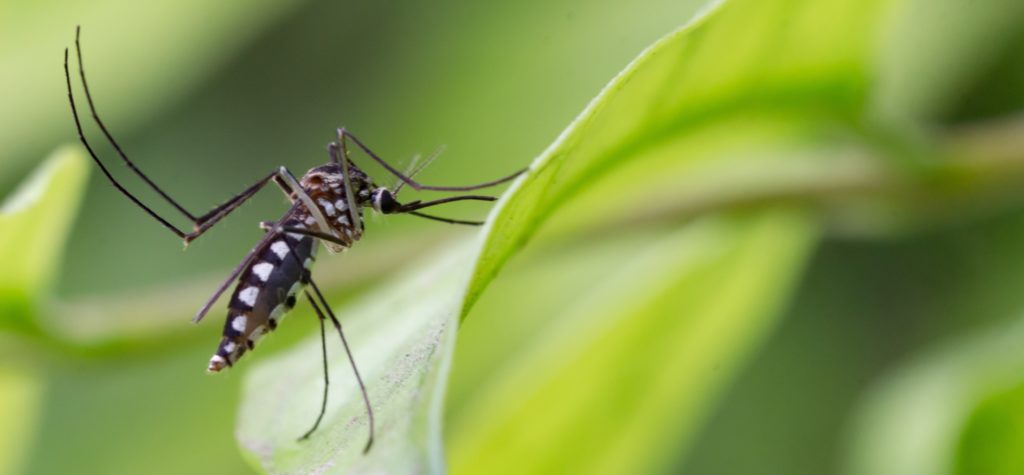
Aedes aegypti Mosquito. Close up a Mosquito Mosquito on leaf,Mosquito Vector-borne diseases,Chikungunya.Dengue fever.Rift Valley fever.Yellow fever.Zika virus.
Aedes aegypti mosquito, the vector of Dengue


What areas do you think GIDEON could improve to make our data more useful to you in the future?  

We appreciate the great work GIDEON does in collecting data globally. We found the new GIDEON interface very useful. Perhaps it would make it easier in the future, if it is possible, to distinguish between imported and autochthonous cases within the database. It is true that in many cases the database does mention it but not for all countries.


About Alisa:

Alisa Aliaga-Samanez has a degree in Biology from the Federico Villarreal University (Peru) and a Master’s degree in Biodiversity and Environment from the University of Malaga (Spain). Currently, she is working at the Animal Biology Department of the University of Malaga, being part of the Biogeography, Diversity and Conservation Group,  developing her Ph.D. thesis. The thesis is focused on the study of primate biogeography, applied to conservation and human health. She is currently mapping vector-borne zoonotic diseases through global distribution modeling. 

Aliaga uses high-resolution global maps and the most up-to-date databases to analyze geographical changes in the risk of zoonotic disease transmission. In addition, in these analyses, she considers the biogeographical contribution of primates in increasing the risk of transmission. She seeks to determine the potential natural range of endemic and emerging zoonotic diseases in the world, with the aim of suggesting specific management strategies according to the spatial distribution of risk factors.

Click here to read the open-access article: Worldwide dynamic biogeography of zoonotic and anthroponotic Dengue 


Did you like this article? Share it on social media!

Check out more of our latest content here

Pathogen of the month: Mycobacterium tuberculosis

Mycobacterium tuberculosis (M. tuberculosis), a non-motile, obligately aerobic, intracellular bacterium known to cause Tuberculosis (TB), was discovered by Robert Koch in 1882 [1]. TB primarily affects the lungs along with the abdomen, bones, nervous system, reproductive system, liver, and lymph glands [2].

Pulmonary Tuberculosis ( TB ) : Chest x-ray show alveolar infiltration at both lung due to mycobacterium tuberculosis infectio
Pulmonary Tuberculosis ( TB ): Chest x-ray shows alveolar infiltration at both lungs due to Mycobacterium tuberculosis infection


Global Burden of Tuberculosis

The World Health Organization (WHO) has reported a 22% decrease in TB-related mortality between 2000-2015, with a gradual 1.5% decrease in the annual rate. However, despite this trend and successful control of disease transmission, TB continues to have a significantly higher rate of morbidity. In 2015, six countries (China, India, Nigeria, Pakistan, Indonesia, and South Africa) accounted for 60% of TB-related deaths [3].


Global cases of Tuberculosis between 1965-2019

Worldwide Tuberculosis cases and rates, 1965 - today


Pathogenicity of Mycobacterium tuberculosis

Mycobacterium tuberculosis is transmitted in the form of droplet nuclei exhaled by individuals affected with laryngeal/pulmonary TB. It enters the body via the nasal cavity/mouth and travels to the alveoli of the lungs, where it recruits macrophages to the lung surface, in turn transporting the bacteria to the deeper tissues [4]. Another round of macrophage recruitment to the originally infected locus forms an organized aggregate of differentiated macrophages and immune cells called a granuloma. The infected granuloma undergoes necrosis, promoting bacterial growth and transmission to the next host [5].

Diagnosis of TB

Some patients with TB may present with non-specific findings such as anemia, weight loss, fever of unknown origin, and fatigue; while others may be asymptomatic and show no abnormalities on physical examination [6]. Thus, the physician should collect body fluids/tissues for Acid-Fast bacilli (AFB) smear and culture.  Only a positive culture can confirm the diagnosis of TB.

Confirmatory and diagnostic tests for TB:

– Culture, followed by Ziehl-Neelsen (AFB) staining

– A Chest X-ray to confirm the diagnosis in case of positive culture, indicating active disease

– Gene-based tests and nuclear amplification to identify the bacterial strains using DNA-based molecular techniques, such as GeneXpert [7].


Ziehl-Neelsen staining

AFB staining is the traditional method of TB diagnosis, as it is inexpensive and provides rapid results [8]. Mycobacterium species retain dyes when heated and treated with acidified organic compounds. The most common acid-fast staining method for M. tuberculosis is the Ziehl-Neelsen stain method, in which a specimen is fixed, stained with carbol-fuchsin dye, and decolorized with an acid-alcohol mixture. After counter-staining the smear with methylene blue or a similar dye, AFB appear red against a contrasting blue background [9].  In general, a sputum sample must contain at least 10,000 organisms/mL to visualize these bacteria at 100x magnification. 

Symptoms and ways of infection of tuberculosis. Medical vector infographics, poster

Latent TB vs. Active TB

Latent TB represents the condition where the body’s immune system restricts the growth of M. tuberculosis bacterium, making the individual appear asymptomatic [10].

An individual with latent TB infection shows

– no symptoms.

– is not infectious (cannot spread TB).

– tests positive for TB blood/skin tests.

– may eventually develop active TB if the immune system weakens.

Active TB represents a condition where the body’s immune system is unable to restrict the growth of M. tuberculosis, rendering patients both ill and contagious. 

The symptoms of TB depend on the affected area.

a. General symptoms include:

  1. Night sweats
  2. Weight loss
  3. Prolonged fever
  4. Loss of appetite
  5. Fatigue

b. Symptoms of Pulmonary TB (infected lungs):

  1. Shortness of breath, which progressively worsens
  2. A persistent cough that produces phlegm and sometimes blood, persisting  > 3 weeks. 

c. Symptoms in the case when other areas of the body are infected:

  1. Swellings in the neck or other regions
  2. Pain in a joint or affected bone
  3. Abdominal pain
  4. Headache
  5. Confusion
  6. Seizures


Treatment

According to the World Health Organization (WHO), first-line treatment for TB may include combinations of five essential drugs: Rifampicin (R), Isoniazid (H), Pyrazinamide (Z), Ethambutol (E), and Streptomycin (S) [11].  Patients with TB undergo a standardized treatment for 6 to 9 months, including an initial two-month course of Rifampicin, Isoniazid, Pyrazinamide, and Ethambutol, followed by another 4-month course of Isoniazid and Rifampicin [12].

For patients with Multi Drug-Resistant Tuberculosis (MDR-TB), directly-observed therapy (DOT) is used. In DOT, drugs are administered at least six days/week under the direct observation of the physician [13, 14]

BCG vaccine

Bacillus Calmette-Guerin (BCG), a vaccine for TB, was introduced in 1921 to control tuberculosis in humans. It is administered at birth, primarily in regions with a high disease burden, such as India, South Africa, and Pakistan [15]. Widespread immunization using BCG vaccine has facilitated a reduction in TB cases globally [16].


Risk factors

Five-to-ten percent of people with latent TB who do not receive appropriate treatment will eventually develop active TB disease [17]

Individuals at a higher risk of contracting TB include:

– Those who have traveled to or are living in a country with a high prevalence of TB. 

– Those living in crowded conditions

– Those who have been in close contact with a person infected with TB

– Children ages <= 5 years who have tested positive for TB

– People who reside or work with persons at high risk for TB, such as those in hospitals, correctional facilities, homeless shelters, residential homes for HIV-infected individuals, and nursing homes

Additionally, immune dysfunction associated with diabetes mellitus, HIV infection, cancer chemotherapy, malnutrition, and advanced age is associated with an increased risk of contracting TB. 

Additional conditions associated with high risk for tuberculosis include silicosis, substance abuse, malignancy, organ transplantation, corticosteroid therapy, Crohn’s disease, and rheumatoid arthritis.

Tuberculosis and HIV

Co-infection by TB and HIV places a diagnostic and therapeutic burden on the health care system. HIV infection has been shown to increase the risk of reactivation of latent TB by 20-fold. [18].


Did you like this article? Share it on social media!

Check out more of our latest content here


References

  1.     K. R, Die Aetiologie der Tuberculose [The aetiology of Tuberculosis.], Berlin: Berliner Klinische Wochenschrift, 1882.
  2. F. K. Dye C, Disease Control Priorities in Developing Countries, New York:: Oxford University Press, 2006.
  3. Z. J. B. Q. H. H. B. L. Y. J. L. Q. L. J. Pan Z, “The Gap Between Global Tuberculosis Incidence and the First Milestone of the WHO End Tuberculosis Strategy: An Analysis Based on the Global Burden of Disease 2017 Database.,” 2020.
  4. CDC, How TB Spreads, CDC, 2016.
  5. G. M. J. Jr., “Microbial pathogenesis of Mycobacterium Tuberculosis: dawn of a discipline,” Cell, no. 104, pp. 477-485, 2001.
  6. J. D. E, Mycobacterial diseases of the lung and bronchial tree: Clinical and laboratory aspects of Tuberculosis, Boston: Brown and Company, 1974.
  7. [Online]. Available: https://www.ncbi.nlm.nih.gov/books/NBK441916/.
  8. B. J. R. Elizabeth A. Talbot, Molecular Medical Microbiology, 2015.
  9. R. l. Kradin, Diagnostic Pathology of Infectious Disease, 2018.
  10. World Health Organization, Guidelines on the management of latent Tuberculosis infection, Geneva: WHO, 2015.
  11. World Health Organization, Implementing the WHO Stop TB Strategy: A Handbook for National Tuberculosis Control Programmes.
  12. Gideononline, “www.gideonoline.com,” Gideon, 2021. [Online]. Available: https://app.gideononline.com/explore/diseases/Tuberculosis-12470.
  13. A. F. Z. L. F. E. Terracciano E, [Tuberculosis: an ever present disease but difficult to prevent], Ig Sanita, 2020.
  14. M.-R. K. R. R. C. R. Chaulk CP, Eleven years of community-based directly observed therapy for Tuberculosis, JAMA, 1995.
  15. “www.journals.plos.org,” [Online]. Available: https://journals.plos.org/plosmedicine/article/figures?id=10.1371/journal.pmed.1001012.
  16. Z. a. Lancione, “Using data science to improve knowledge around a century old vaccine,” The BCG Atlas, 2020.
  17. CDC. [Online]. Available: https://www.cdc.gov/tb/topic/basics/risk.htm.
  18. G. C. G. R. N. P. Getahun H, “HIV infection-associated Tuberculosis: the epidemiology and the response,” Pubmed, 2010.

Disease Outbreaks and Economics: an Interview with Prof. Rodolphe Desbordes

“Our results indicate that factors fostering a disease outbreak in one country can quickly lead to the emergence of a disease outbreak in another country.”

Epidemic infectious disease outbreak with person analyzing virus strain and worldwide situation. SARS-CoV-2 pathogen causing coronavirus covid-19 pandemic disrupting social and economic life


In March 2021, the Journal of Mathematical Economics published a research paper, Spatial dynamics of major infectious diseases outbreaks: A global empirical assessment. The article explored the spatial dependence of outbreaks and the role of globalization, analyzing 20 years’ worth of major outbreaks in developed and developing countries. The study found empirical evidence that ‘local outbreaks of many different infectious diseases can quickly spread to other countries’. Mortality consequences were found to be ‘much more severe in developing countries’.


Economics professor Rodolphe Desbordes
Prof. Rodolphe Desbordes

We spoke with the author Rodolphe Desbordes, a Professor of Economics at SKEMA Business School, about the importance of this research and the reasons behind choosing GIDEON as the data source.

Prof. Desbordes has widely published in the fields of International Economics and Economic Development. His current research interests encompass applied econometrics, determinants of political regime changes, and the links between biodiversity, economic activity, and zoonotic diseases.


How did you find out about GIDEON? 

I was looking for data with worldwide coverage on outbreaks of infectious diseases. I was really surprised not to find this information easily (e.g. provided by the WHO). In a few papers, I noticed their use of GIDEON.


What were the reasons behind choosing the GIDEON database for your analysis? 

I am really an applied macroeconomist, often interested in very global issues. For this reason, I need databases with long (time) and wide (spatial) coverage to run estimations. GIDEON was the perfect database for the epidemiological project I had in mind. In addition, for a non-specialist, the information provided on each disease was crucial to a better understanding of disease-specific characteristics.


How could healthcare systems benefit from a more econometric approach? 

Adopting an econometric approach is useful to reveal broad patterns, isolate the effects of specific factors, and carry out projections. This type of approach must be done in conjunction with expert knowledge of local conditions.


What is the importance of taking epidemiological data into account in the context of international policymaking? 

Deming said that “without data, you are just another person with an opinion”. Data are essential to guide domestic and international policymaking. Lots of data still need to be produced, in order to strengthen surveillance systems.


Do you consider developed countries’ decision to donate COVID-19 vaccines a step towards achieving a GPG (Global Public Good), and do you see this becoming more commonplace?

Some people have argued that the current pandemic is a rehearsal for the coming climate change crisis. It is essential that developed countries stop acting as if they live on a different planet where bad things do not happen to them. An unfortunate advantage of global crises is that even self-interested rich countries contribute to the Global Public Good. However more needs to be done. Donating vaccines is an encouraging sign.


Do you believe the current pandemic will encourage a more global view of public health concerns and their associated impact on economies? 

This is a tough question! We have been warned repeatedly about the risks of emerging infectious diseases. But, unfortunately, we did not act to prevent global pandemics from happening. One may hope that we will draw out the right lessons from the current pandemic. However, I am skeptical. For policymakers, the future always seems far away and purely national issues much more pressing than uncertain existential risks.


What value did having access to global data add to your study?

As an applied economist, I value excellent data on a novel and interesting issue more than anything else. The GIDEON database allowed me to publish in an excellent journal and, most importantly, carefully model the spatial diffusion of infectious diseases in a globalized world.


How would you have gone about collecting the outbreaks data if the GIDEON database did not exist? 

One possibility would have been to exploit the Global Burden of Disease data. However, despite the provider’s best efforts, the reliability of these data remains uncertain, and diseases are aggregated in relatively coarse categories.


In your article, you mentioned the GIDEON database is under-exploited – do you believe it could further contribute to the field of Economics and how? 

Infectious diseases have now become a hot topic in Economics. For various reasons, including data availability, the effects of many diseases were neglected. I hope that my use of the GIDEON database will alert researchers to this incredible information source and encourage more epidemiological research.


Click here to read the open-access article Spatial dynamics of major infectious diseases outbreaks: A global empirical assessment


Did you like this article? Share it on social media!

Check out more of our latest content here

GIDEON Sign In