GIDEON blog

Free Demo ► Latest Updates ► Video Tutorials ►
Subscribe , j x

What is antimicrobial resistance (AMR) and why you should know about it

Pharmacist holding medicine box and capsule pack in pharmacy drugstore.


Today marks the beginning of World Antimicrobial Awareness Week, driven by the World Health Organisation to improve global knowledge of antibiotic drugs. Running from the 18th to the 24th of November, the awareness initiative is focused on uniting to preserve effective antimicrobials and reduce or prevent the spread of Antimicrobial Resistance (AMR), which is becoming an increasing concern across the world.

Before we jump deeper into the AMR and the global impact it will have if not addressed, let’s briefly cover the history of antimicrobials in medicine. 

1910, the first breakthrough in antimicrobial treatment

These life-saving drugs are rather ironically named, since the literal meaning of antibiotic is ‘anti-life’ or ‘against living’ – but in this case, the living organisms that produce the disease’. 

Selman Waksman first used the term ‘antibiotic’ during the 1940s. Until then, antibiotic drugs were simply referred to by their names. 

While there are anecdotal accounts of antimicrobial treatments being administered during ancient times, the breakthrough moment was the creation of the first synthetic antimicrobial agents by Paul Ehrlich who noted that certain dyes would color bacterial cells but not others.

Ehrlich thought that if these cells could be isolated, and that selective chemicals could be used to target and neutralize bacteria. 

Ehrlich worked with the toxic element arsenic to produce compound 606, which was introduced in ca. 1910, under the name Salvarsan. Salvarsan, now known as arsphenamine, was the ‘drug of choice’ to treat syphilis until the 1940s.

1928, Fleming discovers penicillin

Treatment of syphilis with Salvarsan was superseded by the most famous antibiotic of them all – penicillin. This antibiotic is derived from natural substances, in contrast to dyes and arsenic derivatives. Early observations of penicillin properties were made by William Roberts and Louis Pasteur during the close of the 19th century however,  it was not until 1928 that a revolutionary discovery was made by Sir Alexander Fleming, who was studying a green mold (Penicillium chrysogenum) in his laboratory. 

Fleming discovered that the mold killed and prevented the growth of bacteria. He deduced that the mold must be creating a specific substance, and he named this ‘mold juice’ penicillin. 

This first antibiotic was not isolated and purified until 1942, by two Oxford scientists Ernst Chain and Howard Florey – who shared the 1945 Noble Prize in Medicine with Fleming.

In the following decades, at least a dozen additional antibiotics entered the medical field, creating an arsenal for use against several major diseases.

2020, emerging antimicrobial resistance (AMR)

What is AMR? AMR stands for “antimicrobial resistance” – a process of pathogen adaptation, whereby bacteria, viruses, fungi, and parasites develop defenses that make antimicrobials less and less effective. Ultimately, treatment times are prolonged,  increases the risk of spreading disease, and developing complications. 

When a tried and proven medicine is no longer effective at fighting its targeted disease, an alternative is needed, which might take years to develop. A “worst-case scenario”  will result, in which pathogens ‘outsmart’ humans, and we are left without drugs needed to cure even the most common bacterial infections.

Why is this happening? The misuse and overuse of antimicrobials, including instances of viral diseases (where they are ineffective) have allowed pathogens to be exposed to more and more medicine, encouraging the selection of strains that have lost their susceptibility to these compounds. 

Issues such as poor water quality, lack of sanitation, and substandard hygiene have also hastened the spread of antibiotic-resistant infections. 

It is up to us all to recognize AMR as an emerging global health threat, act to prevent and treat the infection using properly targeted drugs at the proper dosage and duration of therapy.


Did you like this article? Share it on social media!
Check out more of our latest content here

Pneumonia – “a disease of the ancients”

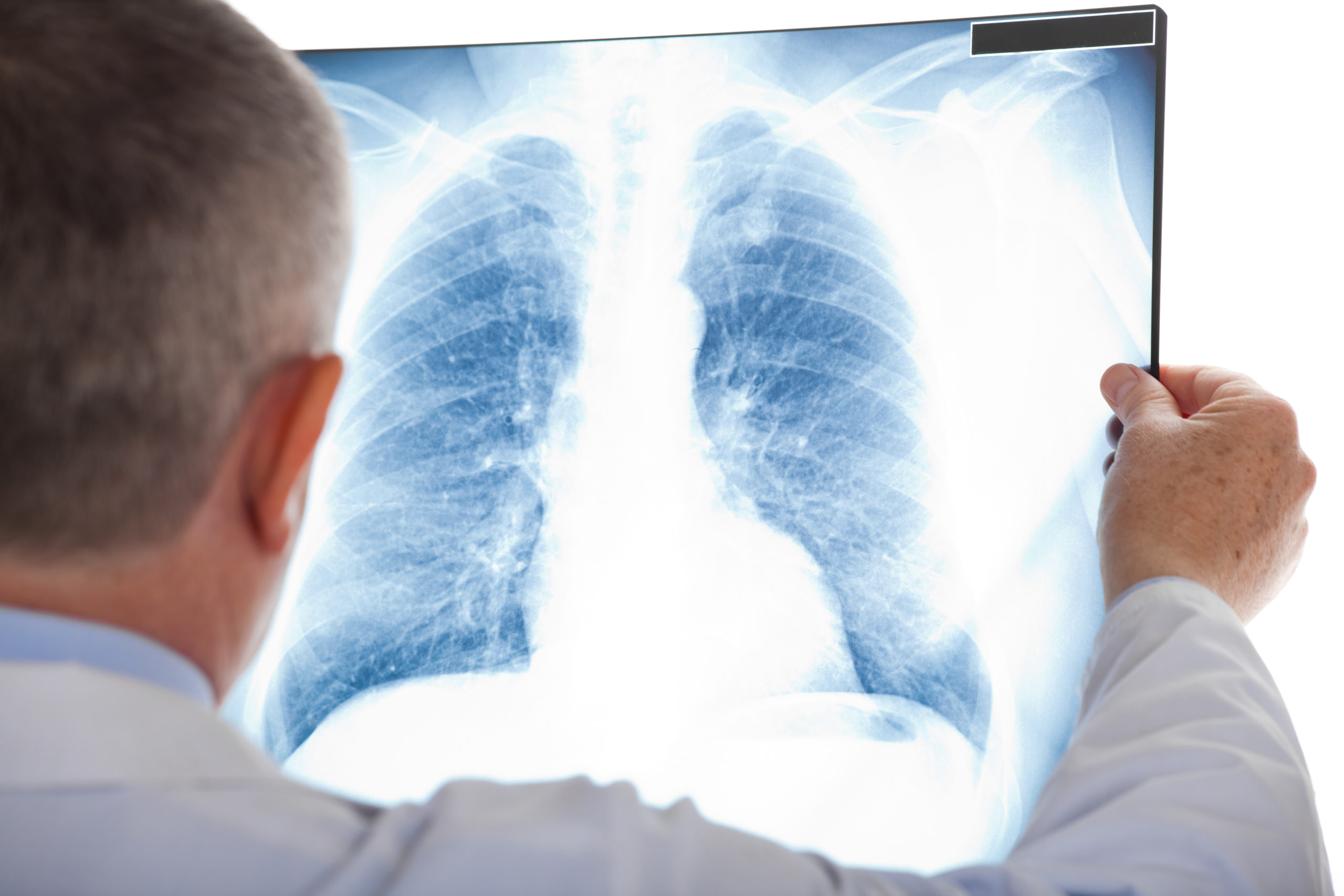
Doctor examining a lung radiography - pneumonia
Doctor examining a lung radiography


The COVID-19 pandemic has been a painful reminder of how important lung health is. But there are many other threats to this very vital organ. Numerous lung diseases have plagued the human race throughout history, and doctors have been working tirelessly to find effective means of beating them – a battle that continues to the present day. 

While many diseases cause symptoms in the lung, several of them attack this organ directly. “Pneumonia” is not a single disease, but rather a generic term for inflammatory conditions affecting the lungs. Pneumonias affect hundreds of millions of people each year, and are the leading causes of mortality among both children and elderly individuals, with an estimated 4 million deaths every year [1]. 

An old enemy

Pneumonia has existed for thousands of years, with Hippocrates himself describing the symptoms during the fifth to fourth centuries BCE [2]. Knowledge of the disease likely dates back even further, as Hippocrates himself considered it to be ‘named by the ancients’. The name appears to be derived from the Greek word pneúmōn, meaning ‘lung’.

Maimonides’ (12th century) stated ‘The basic symptoms that occur in pneumonia and that are never lacking are as follows: acute fever, sticking pleuritic pain in the side, short rapid breaths, serrated pulse, and cough.’ This is mirrored by many modern textbooks even today.

It was not until the late 1880s that the link between bacteria and pneumonia was established.  This concept was prompted by Edwin Klebs in 1875, who first observed the bacteria in patients dying from the disease (the bacterial genus Klebsiella is named after him) [3]. Viral pneumonia was not discovered until 1938, by Hobart Reimann [4].


Four types of pneumonia

Is pneumonia contagious? Yes, and it has a wide etiological spectrum – including a large variety of bacteria, viruses, fungi [5] which cause alveoli (air sacs) in one or both lungs to become inflamed and fill with fluid or pus, resulting in restricted breathing ability.

The choice of treatment is largely determined by the nature of the infecting organism – and will include one or more antibiotics, antiviral drugs, or antifungal agents.

A number of clinical “clues” may help the doctor decide which pathogen is involved in a given case of pneumonia.   For instance, Mycoplasma pneumoniae infection is most frequently observed in patients below the age of 30 and is often accompanied by a bullous otitis media and a ‘hacking’ cough. Pneumocystis pneumonia, on the other hand, is characterized by dyspnea and hypoxia – and is usually encountered in severely immunosuppressed patients.

GIDEON chronicles the epidemiology of pneumoniae caused by bacteria such as Streptococcus pneumoniae, Klebsiella pneumoniae, Chlamydia, Mycoplasma pneumoniae, and fungi, such as Cryptococcus neoformans and Pneumocystis jirovecii.


History of treatment

An extensive array of therapeutic options have evolved for the treatment of pneumonia. Hippocrates pioneered thoracic drainage, leaving tubes in place for up to two weeks [6];  while in medieval times we might have encountered the occasional bloodletting. As crude as those methods may seem, the treatments of the early 20th century were far from elegant, though somewhat more comfortable.

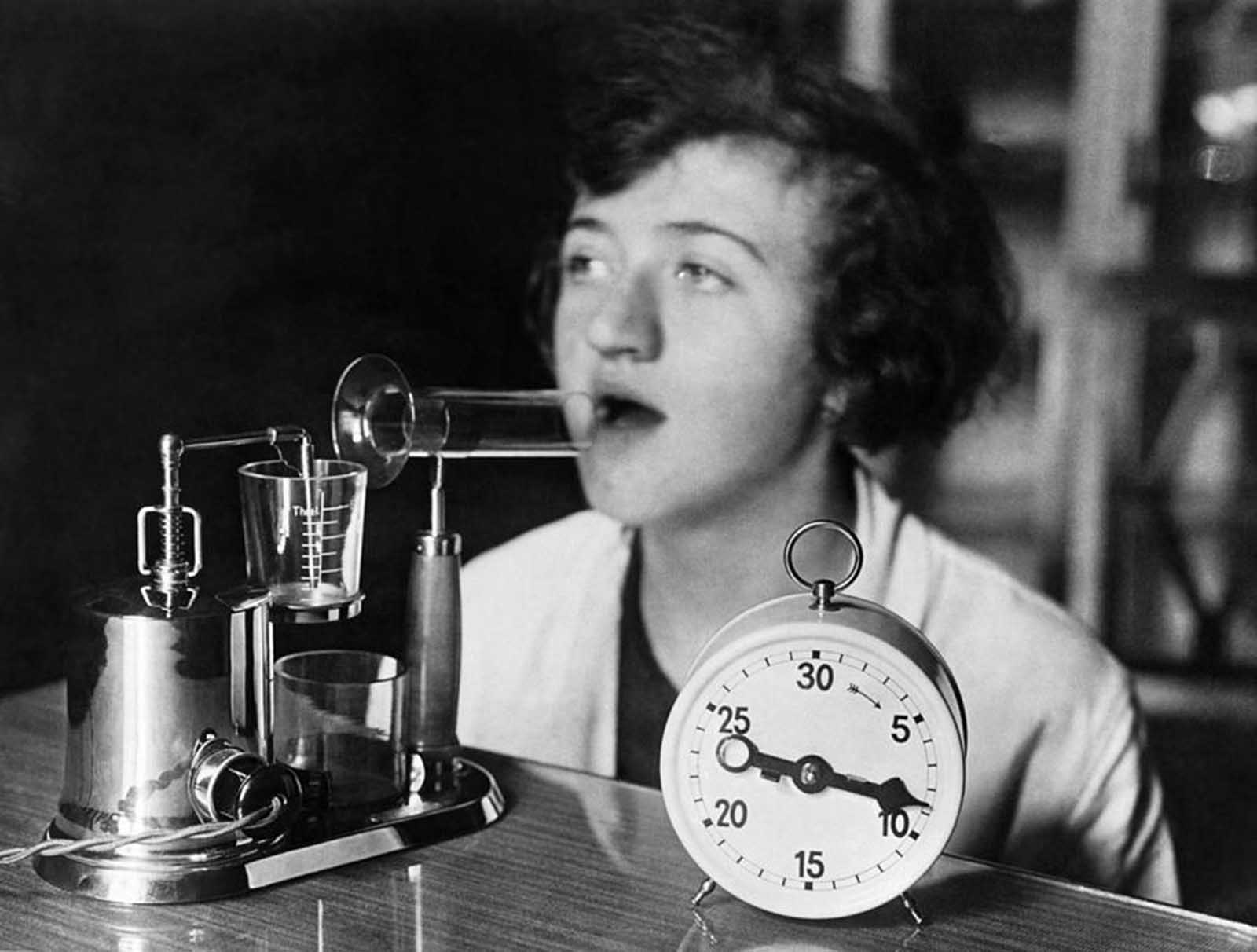
Electronic inhalers such as the one shown below have now been consigned to the history books and museums. While the design of inhalers improved considerably during the last 100 years, their function has changed little. 


A woman using an electric inhaling apparatus which produces a medicated fog used in the treatment of colds and influenza, circa 1929.
A woman using an electric inhaling apparatus which produces a medicated fog, circa 1929. Rare Historical Photos.


Did you like this article? Share it on social media!
Check out more of our latest content here

References:

[1] “Pneumonia”, Who.int, 2020. [Online]. Available: https://www.who.int/news-room/fact-sheets/detail/pneumonia. 

[2] R. Feigin, Textbook Of Pediatric Infectious Diseases, 5th ed. Philadelphia: Saunders, 2004, p. 299.

[3] I. Gerard and K. Root, “Pneumonia”, Library.leeds.ac.uk, 2017. [Online]. Available: Pneumonia | Special Collections | Library | University of Leeds.

[4] F. Wagner and J. Hodges, Thomas Jefferson University: Tradition and Heritage. Philadelphia, Pa.: Jefferson Digital Commons, 1989, p. 253.

[5] “Pneumonia”, John Hopkins Medicine, 2020. [Online]. Available: https://www.hopkinsmedicine.org/health/conditions-and-diseases/pneumonia. 

[6] S. Walcott-Sapp and M. Sukumar, “A History of Thoracic Drainage: From Ancient Greeks to Wound Sucking Drummers to Digital Monitoring”, Ctsnet.org, 2015. [Online]. Available: https://www.ctsnet.org/article/history-thoracic-drainage-ancient-greeks-wound-sucking-drummers-digital-monitoring. 

Hepatitis C

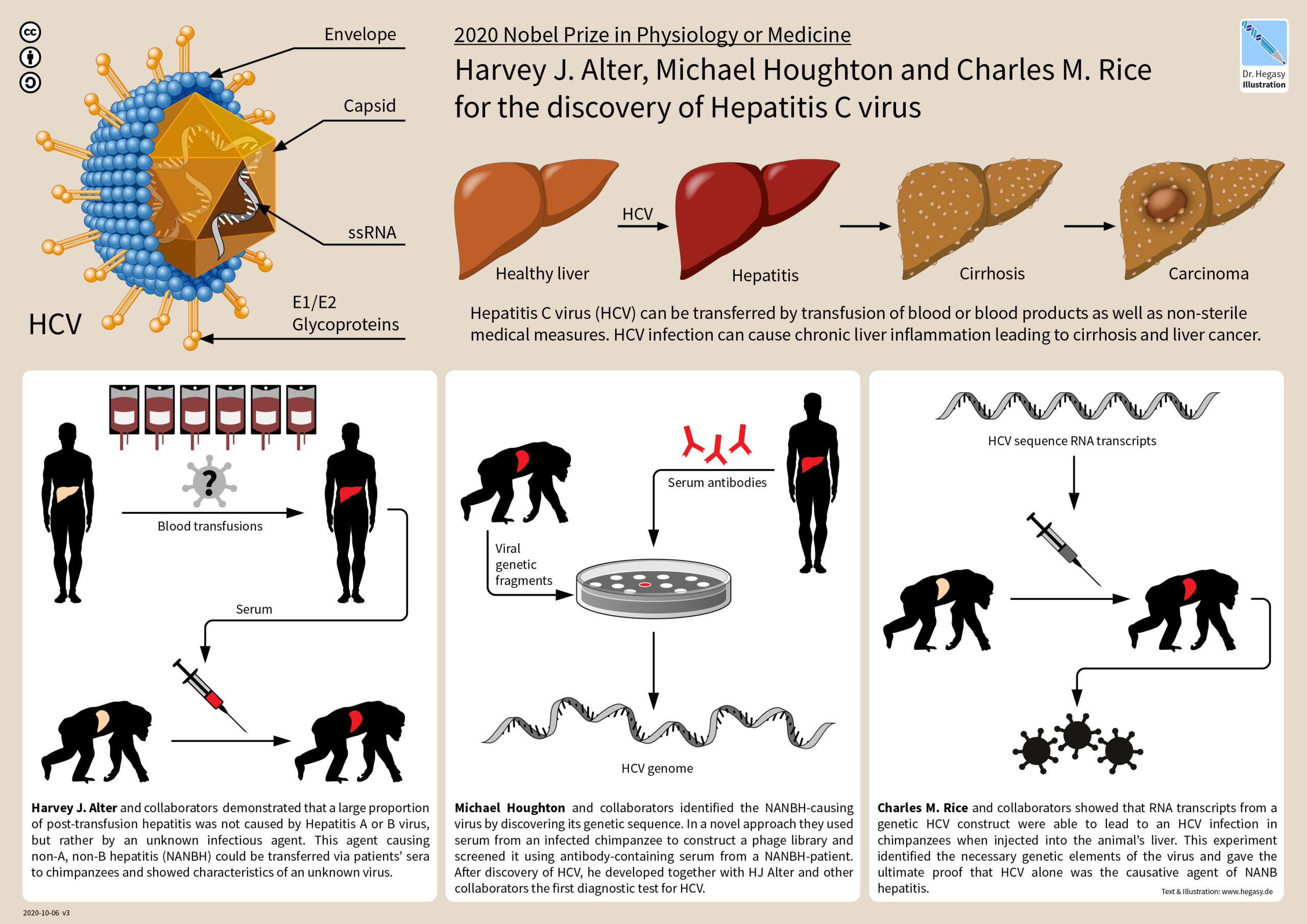
Hepatitis C is a recently discovered disease. Harvey J. Alter identified the variant form of Hepatitis during the 70s, which then became known as a ‘non-A, non-B Hepatitis (NANBH)’. In the 1980s, Michael Houghton and his team isolated the genome of the new virus, and it was named ‘Hepatitis C’. Finally, in 1997 Charles M. Rice proved that the virus is a disease agent, capable of acting alone to cause Hepatitis.

This year’s Nobel Prize in Medicine has been jointly awarded to Harvey J. Alter, Michael Houghton, and Charles M. Rice for the discovery of the virus. Their contributions (illustrated below) have led to improved understanding, prevention, and treatment of the disease.


Nobel Prize in Physiology or Medicine 2020 to HJ Alter M Houghton and CM Rice for discovery of Hepatitis C virus


5 types of Hepatitis

There are five known types of viral Hepatitis – A, B, C, D, and E –  of which types A and B and E are currently preventable by vaccines.  Over 71 million cases of chronic Hepatitis C infection were estimated in 2015, though that number has been steadily falling over the past decade. The majority of deaths are caused by liver cancer or cirrhosis brought on by the infection, with an estimated 399,000 fatal cases in 2016.

To learn more about the differences between Hepatitis A, B, and C, see our earlier blog here.

Diagnosis and treatment

Hepatitis C can often be asymptomatic, or associated with mild symptoms, and may smolder for up to six months before becoming active. Acute infections are associated with fatigue, nausea, fever, abdominal pain, and loss of appetite; while chronic infections are more often associated with progressive dysfunction of the liver.

Although many laboratories are seeking an effective vaccine for this disease, currently available antiviral drugs have been shown to cure more than 95% of infections. 

The World Health Organization is approaching the end of its Global Health Sector Strategy on Viral Hepatitis, 2016-2021 which has the vision of reducing new infections by 90% – and deaths by 65%- by 2030.

The universal presence of this disease demands a robust response from all health authorities across the globe,  and recognition given by the Nobel committee will raise the profile of the disease and encourage new avenues for research into Hepatitis C treatment and prevention.


Did you like this article? Share it on social media!
Check out more of our latest content here

Learn more about Hepatitis C

Bayes in Medicine

Calculator and sthetoscope on blue background

What is Bayesian Analysis and where did it come from?

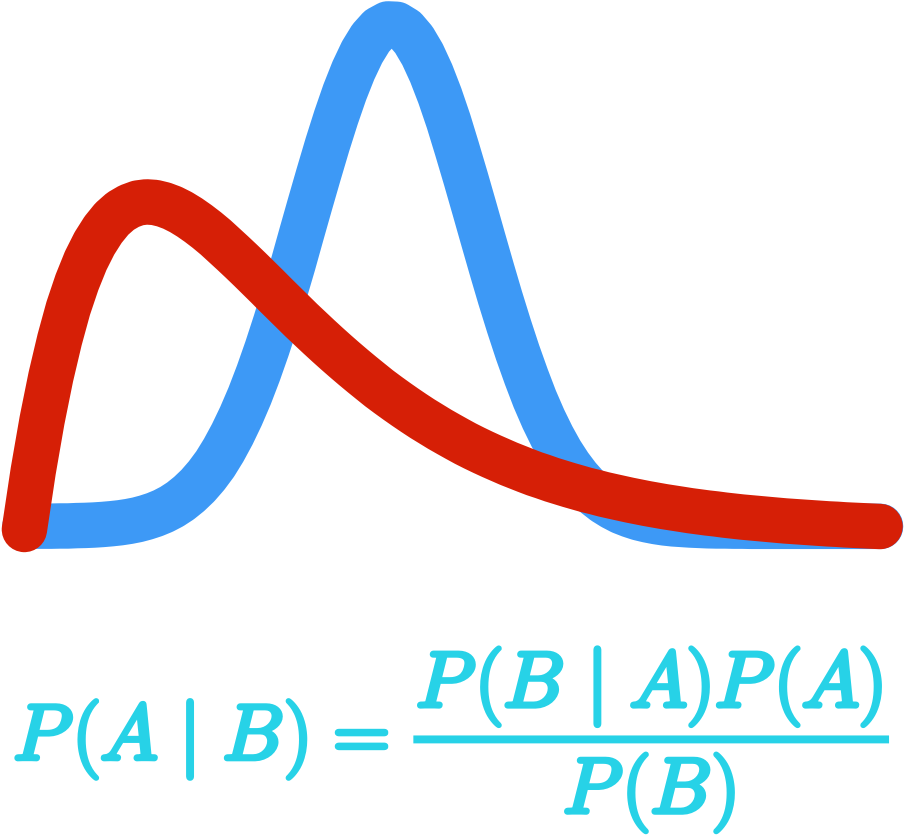
Sometimes referred to as Bayesian Inference in Mathematics, Bayes’ is a method of statistical inference centered around population information, variables, and evidence to determine the probability of a particular event occurring. In essence, it is the mathematical calculation of how likely something is to happen based on the evidence. 

The creator of the method was Thomas Bayes –  an 18th century English statistician and Presbyterian minister. Although he did not publish his mathematical theories during his life, the publication of his work was post-humously carried out by another famous non-conformist, Richard Price. 

In his life, Thomas Bayes defended Sir Issac Newton’s calculus and explored the concept of probability with a passion, challenging the work of domestic and French contemporaries. 

If he was alive today, Bayes might not believe the impact of his work – and as a minister, he would surely frown over gambling applications using his theorem…


How does GIDEON use Bayes’?

Bayesian analysis requires data to be reliable and accurate, which is why GIDEON is uniquely positioned to take advantage of the formula and put millions of data points to use!

GIDEON applies this system to generate a list of likely Infectious Diseases based on the patient’s location, recent travel, and clinical findings. It might sound simple, but with over 200 signs and symptoms for over 360 diseases in 230+ countries and territories, the number of possibilities is vast. 

Regardless of extensive options, the GIDEON application is easy to follow, delivering instantaneous results.

Predicting outcomes in a clinical setting – or future developments of the Infectious Diseases landscape – are currently hot topics, and Bayesian Analysis, combined with a vast epidemiological data set, is ideally suited to help.

GIDEON is not alone in using this method for scientific and medical purposes, as it is also used in the Continuous Individualized Risk Index (CIRI) for identifying the risk of developing cancer over time, assessment of emergency room patients for heart attack, etc, etc.

Medicine aside, Bayes’ has many real-world applications, including computer software for machine learning, security systems, and gambling – and has even been used in a court of law by jurors assessing evidence and determining verdicts. 


Did you like this article? Share it on social media!

Check out more of our latest content here

Herd immunity and COVID-19

By Dr. Stephen A. Berger

Herd immunity concept. People of different age groups, men, women and children are protected from the harmful effects of viruses. Preventive measures, human protection, group immunity.

WHAT IS HERD IMMUNITY?

It stands to reason that a contagious disease should disappear from a population when a sufficient percentage of potential victims – “the herd” has become immune. This outcome may arise because a massive number of individuals have been either infected or vaccinated.

Most authorities dealing with COVID-19 have set the goal for herd immunity at >60 percent; however, the precise percentage for any infectious disease will depend on many factors involving demography, virulence, route of infection, etc. 


HAS AN INFECTIOUS DISEASE EVER BEEN ERADICATED BY REACHING HERD IMMUNITY?

Infectious Diseases have been known to reach herd immunity, however, none have been permanently eradicated by it. For instance, although there was an observed decrease of measles infections during the 1930s, recent outbreaks indicate the disease is far from being eliminated – despite effective vaccination measures introduced in 1963.


IMPORTANT CONSIDERATIONS

As many countries enter into a second-wave of this pandemic, the bottom-line question for those who advocate the achievement of herd immunity through mass infection of the population will be one of cost-benefit. 

This prompts a few thoughts and questions. Any program to actively infect large numbers of individuals will begin with the isolation of the elderly and other high-risk populations. How many countries are truly equipped to house, feed, isolate, and treat millions of people in these categories? Do they have the manpower, physical structure, and funding?

It is important to note that the 2002-2004 SARS outbreak was not brought to an end by herd immunity, but rather through stringent public health methods implemented by affected countries. 


HOW MUCH TIME WILL BE REQUIRED TO ACHIEVE HERD IMMUNITY?

My country (Israel) has a population of 8.8 million and is currently experiencing 1,000 to 2,000 new cases per day. If we allow the current disease rate to continue, it will take perhaps three more years (!) to exceed 60 percent immunity. 

Would the Health System – already at capacity – be able to sustain all of this? Is there proof that COVID-19 infection even leads to immunity?  In what percentage of patients? Does immunity persist for more than a year or two?  Will immunity also “cover” newer strains of coronavirus?

Several COVID-19 vaccines will be released for general use in the next three to six months. Assuming that these vaccines are effective, targeted mass-infection at this point will cause more harm than good… and at best be a case of “too little, too late.”


Did you like this article? Share it on social media!

Check out more of our latest content here

Let’s end Polio

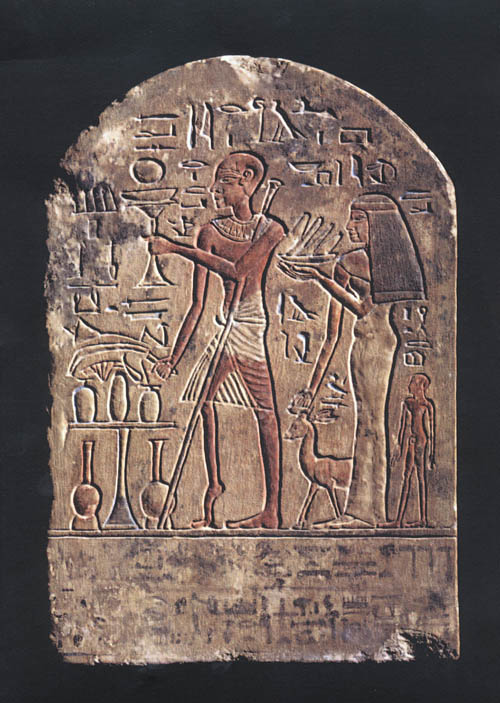
An Egyptian stele thought to represent a polio victim. 18th Dynasty (1403–1365 BC).


Poliomyelitis dates back to ancient times, as captured in this 14th century BC Egyptian carving, detailing a typical symptom of atrophy in one or more of the limbs. 

The modern name is directly derived from Ancient Greek, poliós meaning ‘grey’ and myelós meaning ‘marrow’, the latter signifying the effect on the grey matter of the spinal cord.

But while the ancient Egyptians and Greeks knew about the disease, it wasn’t clinically described until the late 18th century (AD), by the English doctor Michael Underwood. The disease was finally ‘formalized’ in the 19th century, thanks to the work of physicians Jakob Heine, who completed the first study on the disease, and Karl Oskar Medin, the first to detail the epidemic nature of Poliomyelitis. This led to the illness often being referred to as Heine-Medin disease.

SYMPTOMS

Polio is highly infectious and is spread through the fecal-oral exchange, mainly affecting children under the age of 5 but adult cases are not uncommon. Symptoms include fever, sore throat, headache, vomiting, and still neck.

Although the disease is feared for its more extreme outcomes, such as paralysis, these develop in only 1-2% of all cases. Less than 10% of cases are fatal, with as most infections being asymptomatic.

CAMPAIGN TO END POLIO

It is unknown how many deaths Polio has caused through the ages, but a significant global campaign has been in place since the 1950s as a response to the epidemic in the United States. 294,094 cases were reported from 1944 to 1953; 108,159 from 1954 to 1963; and 514 from 1964 to 1973. The campaign, combined with the effective vaccine, has led to the country being declared polio-free in 1979.

The establishment of the Global Polio Eradication Initiative (GPEI) in 1988 had a huge impact on the fight to end polio.  Over 2.5 billion children were vaccinated since then, with 20 million volunteers in 200 countries taking part in the campaign.

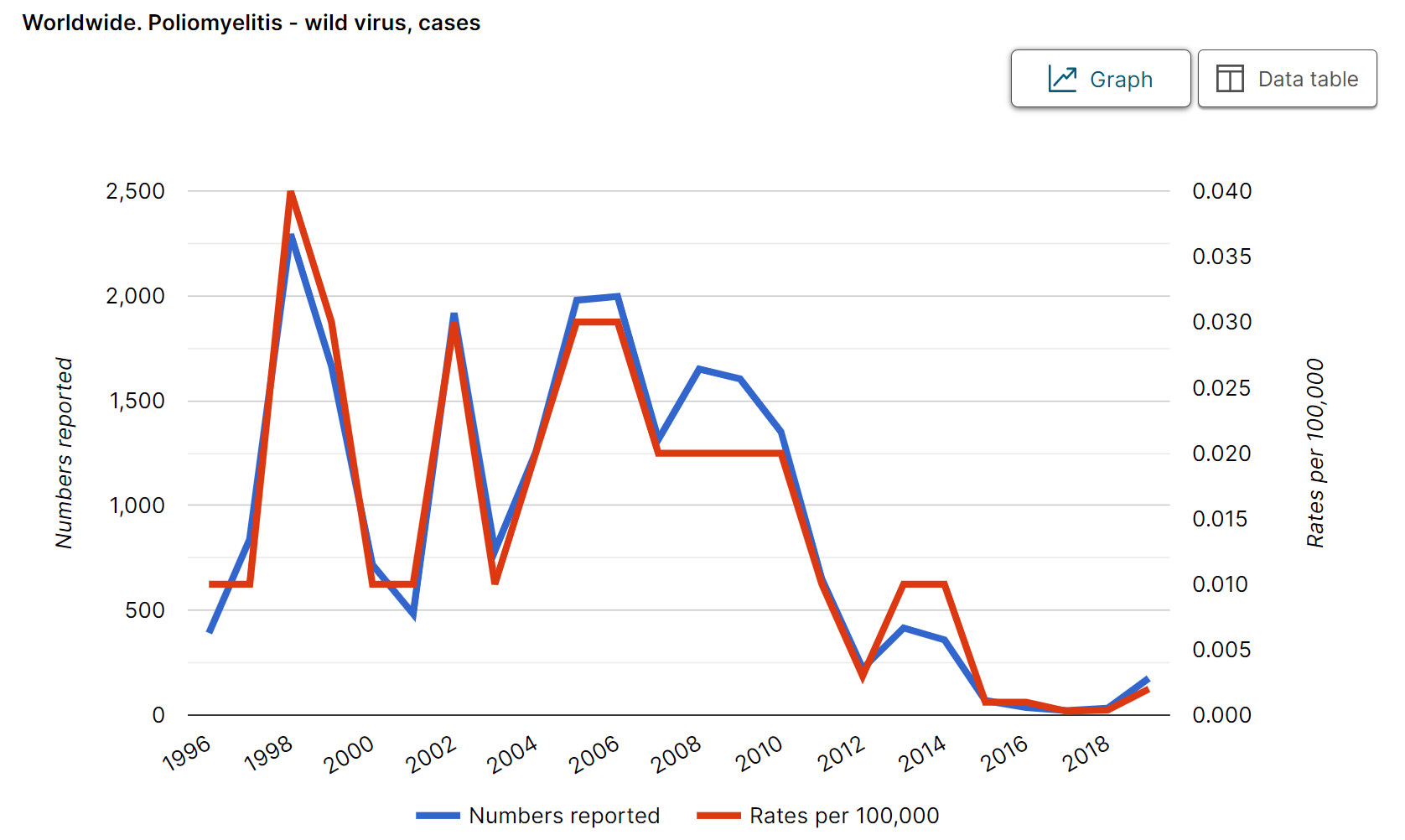
Fantastic progress has been made with wild cases dramatically reducing from an estimated global incidence of 350,000 in 1988 to only 33 reported cases in 2018 – but the work isn’t over yet. The infectious nature of the disease could easily lead to extensive outbreaks and see the numbers increase again, despite the effective vaccine, as has been recently observed with measles. 

Although Type 2 has not been detected since 1999, nine outbreaks of vaccine-strain virus infection were reported since the OPV2 withdrawal in 2016, posing a threat to its complete eradication. The last reported case of Type 3 was in Nigeria, back in November 2012.


Polio cases worldwide, 1996-today. GIDEON.
Wild polio cases worldwide, 1996 – today, GIDEON.


Now is the time for the final push to limit the disease to the history books (and databases). If you want to be a part of the solution, head over to End Polio Now and get involved! It could make the world of difference to those affected.


Did you like this article? Share it on social media!
Check out more of our latest content here

Interested in learning more about this disease? Check out our 2020 eBook Poliomyelitis: Global Status 

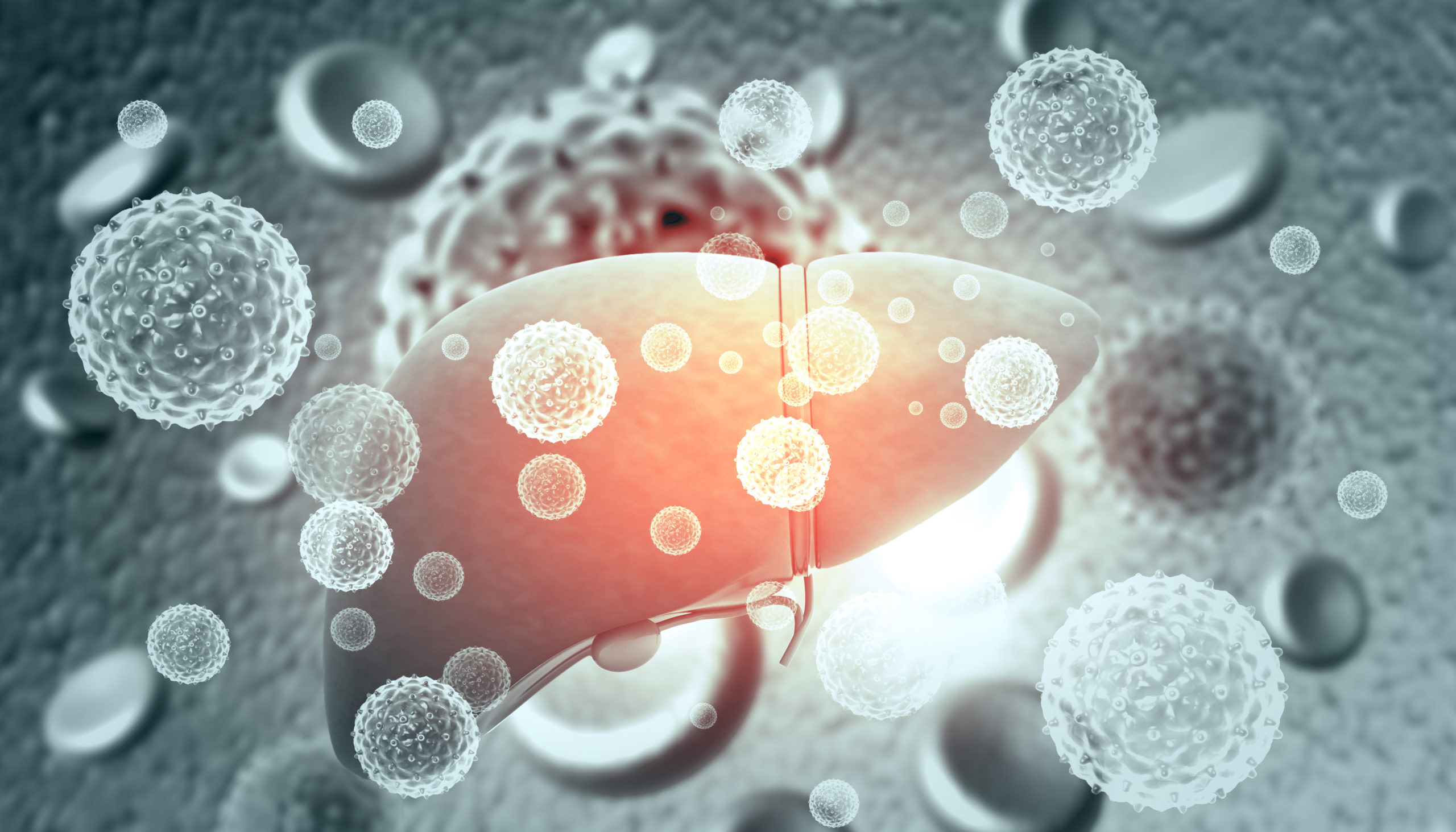
Hepatitis A in the United States

Liver Infection with hepatitis viruses - 3d illustration


Few Americans are aware of a major epidemic that has taken hold of large areas of their country in recent years – by a disease that is easily diagnosed and prevented. Sadly, public – and even professional interest in these events have been overshadowed by COVID-19.   

AN UPTICK IN CASES

Hepatitis A had been largely under control until three years ago and can be easily prevented through the use of a safe and effective vaccine. 

From January 2017 to January 2019, at least 26 separate outbreaks were reported, to a total of 11,628 cases and 99 deaths, nationwide. Homeless individuals and users of illicit drugs accounted for a large percentage of these patients. 

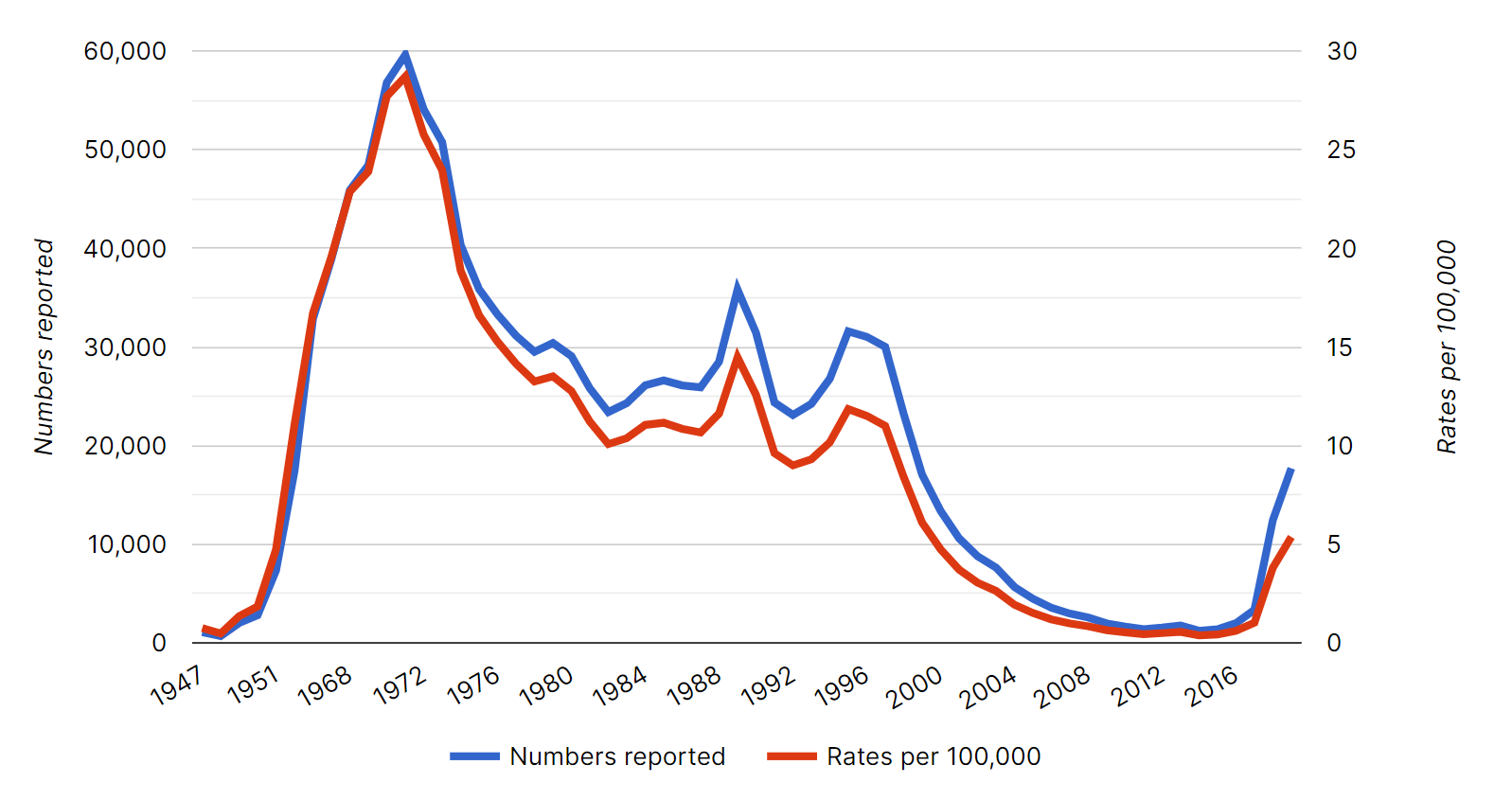
The graph below shows that the number of reported cases, which had been declining steadily since 1997, has taken a dramatic upturn during the current epidemic. 


Hepatitis A cases in the United States, 1947 - today
Hepatitis A cases in the United States, 1947 – today


As of September 2020, more than 1,000 cases have now been reported in each of seven states: Florida, Georgia, Indiana, Kentucky, Ohio, Tennessee, and West Virginia. Indeed, the total number of cases reported since the arrival of COVID-19 in the United States has reached 6,650 (to October 10, 2020)  – a major concern to public health specialists.


WHAT ARE THE SYMPTOMS?

Hepatitis A is a highly contagious disease that affects the liver. Infection may cause symptoms such as vomiting, jaundice, anorexia, dark urine, and light stools, occasionally accompanied by rash or arthritis. Symptoms normally persist between two to eight weeks, although the illness may last longer and be more severe in patients with underlying conditions.

The case-fatality rate of Hepatitis A ranges from 0.15% to 2.7%, with children faring better than adults.


SUPPORTIVE THERAPY IS THE ONLY TREATMENT

At the time of writing, there is no known cure for Hepatitis A. To speed up recovery, it is recommended that patients get plenty of rest and avoid substances that may have adverse effects on the liver, such as alcoholic beverages and certain medications.


WHAT IS THE DIFFERENCE BETWEEN HEPATITIS A, B, AND C?

Even though there is no drug therapy against Hepatitis A, it is less dangerous than Hepatitis B and C.

While most Hepatitis A patients recover with lifelong immunity to the disease, Hepatitis B and C may ‘reappear’ in the form of hepatic cirrhosis or hepatocellular carcinoma years after the acute illness. 

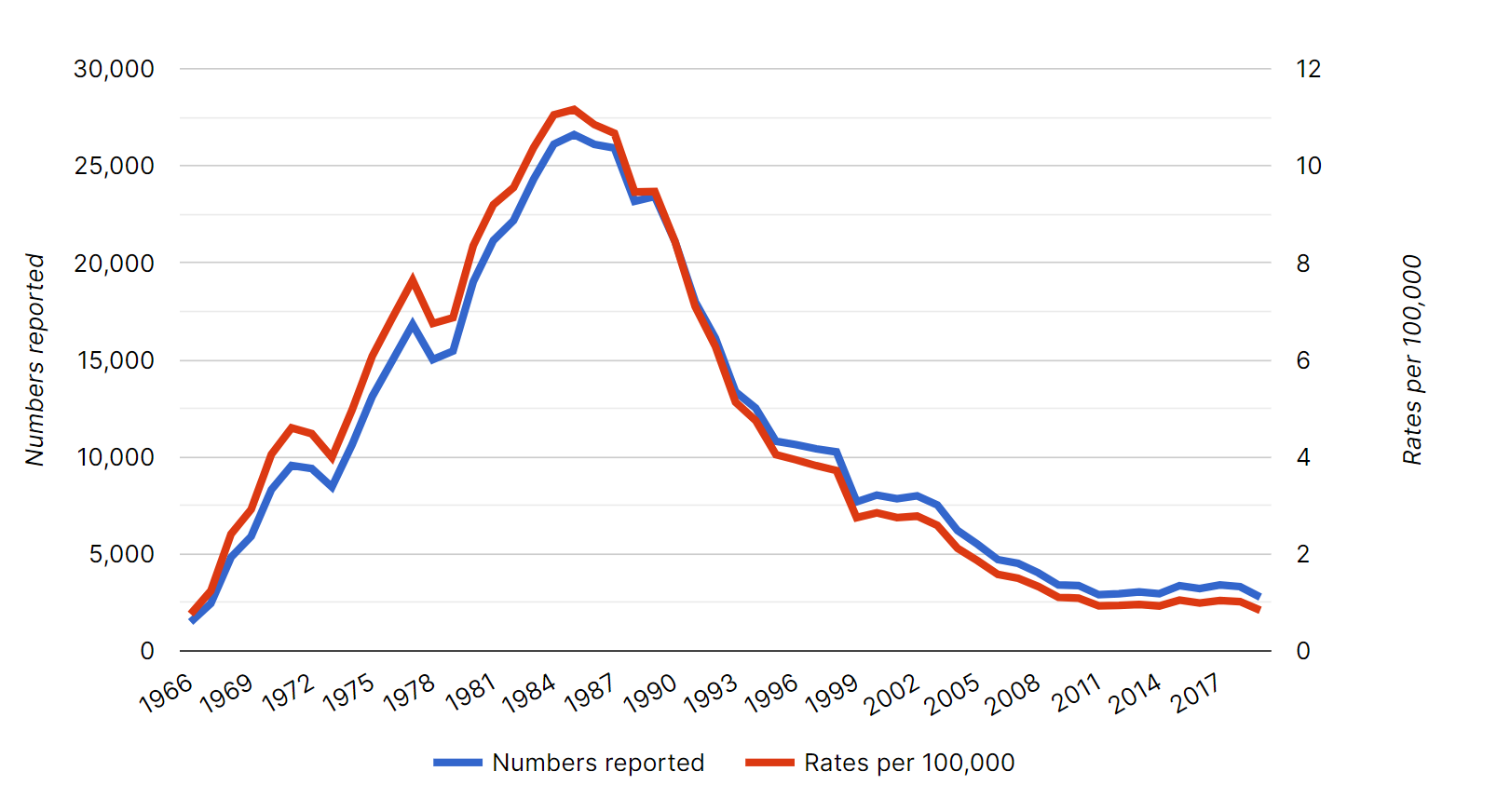
Hepatitis B is responsible for 60% to 80% of the world’s primary liver cancer cases. Thankfully, its rates continue to decline in  the United States:

Hepatitis B cases in the United States, 1966 - today graph
Hepatitis B cases in the United States, 1966 – today


The mode of transmission also differs among the three viruses. HepA is transmitted via the fecal-oral route, HepB, and HepC through the exchange of infected bodily fluids. 

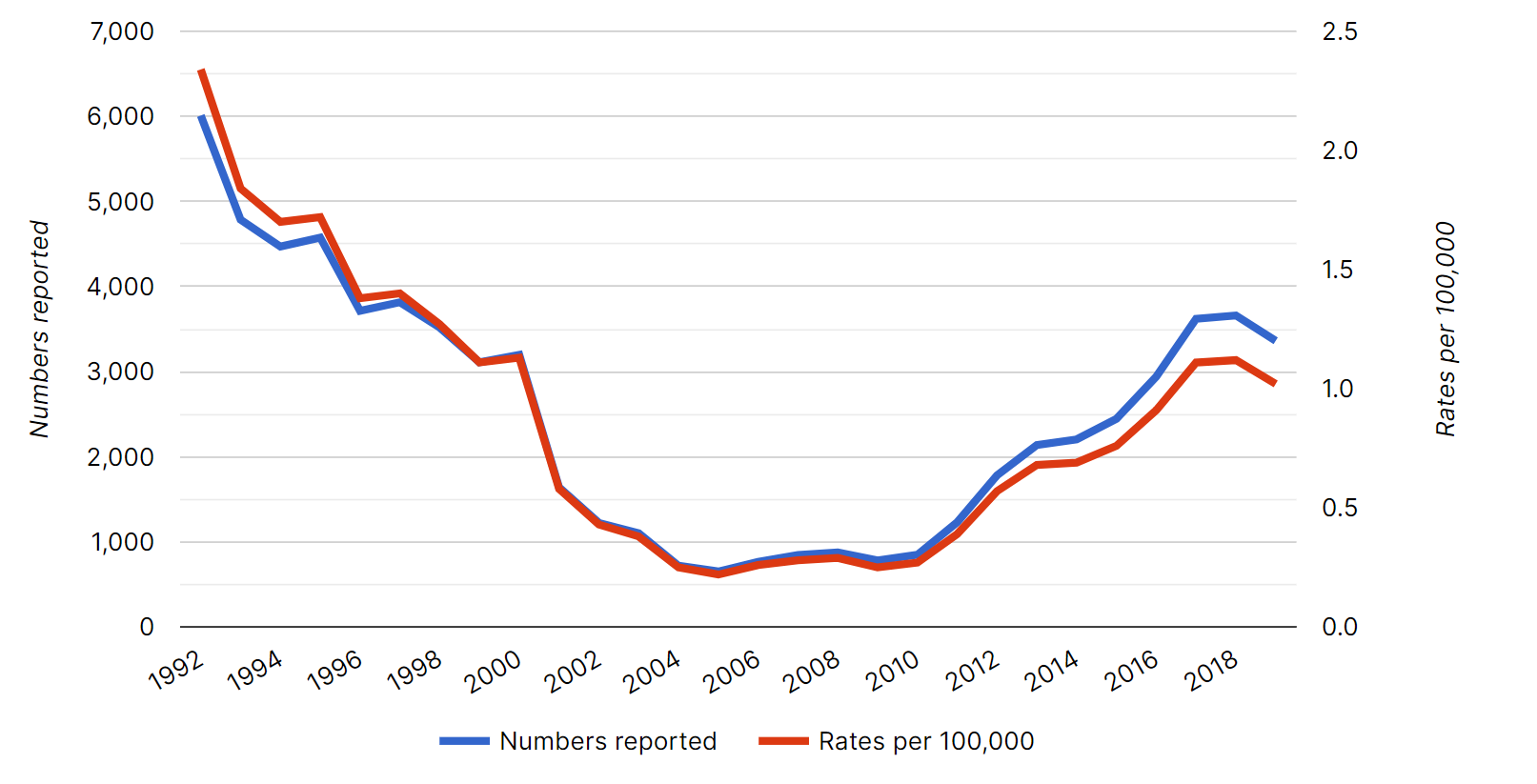
As of 1998, injecting-drug abuse accounts for 60% of Hepatitis C transmission in the United States:

Hepatitis C cases in the United States, 1992 - today graph
Hepatitis C cases in the United States, 1992 – today


Did you like this article? Share it on social media!
Check out more of our latest content here

Interested in learning more about this disease? Get our 2020 eBook on the disease at a 20% discount here.

From the desert to the lab: Dr. Berger

Today is the birthday of our co-founder Dr. Stephen A. Berger, and the perfect time to share his personal story and the history behind the creation of GIDEON.

Steve has been the “beating heart” of the company’s medical knowledge and insight since its inception. GIDEON could not be what it is today and will be tomorrow, without him. Join us on Memory Lane as we celebrate Dr. Berger’s contribution to the medical community.

A TALENTED YOUNG DOCTOR

Steve was brought up in New York and was destined to become either a lawyer or a doctor. Thankfully for us, he fell in love with the latter field. Dr. Berger graduated with a medical degree from the New York Medical College in 1967 and completed his Internal Medicine training there as the youngest in his group, finishing at the top of his class too! 

After this, the Vietnam war erupted, and along with many junior doctors, Steve was conscripted into the US Navy. Despite not being well-traveled at the time, he took this in his stride and developed an interest in Infectious Diseases – something that set him apart from his peers back in New York.

He was assigned to the Sixth Fleet, stationed in the Mediterranean, which eventually took him to Israel. At the time, Dr. Berger explored his Jewish roots, and this is where he eventually made his home.  

LT Steve Berger, U.S. Navy


After emigrating, Steve found the love of his life – an accomplished medical professional in her own right and currently Israel’s leading pediatric surgeon, as well as the first Yemenite to graduate medical school in Israel. 

While in the country, the Yom Kippur war broke out (1973). This is when this second photo was taken – next to the Suez Canal…and on his birthday!

Dr. Steve Berger, Suez Canal


DOUBLE CERTIFIED

The lady who captured Dr. Berger’s heart in Israel was on her way to train in the United States, and so Steve returned to continue his education in New York. 

This is where he completed Infectious Disease fellowships at Montefiore Hospital-Einstein in New York, The New York V.A. Hospital, and the Tufts-New England Medical Center. Here, he got to work with Dr. Louis Weinstein,  “a leading pioneer in the new specialty of Infectious Disease”. Dr. Weinstein was Steve’s Guru and mentor and for all that followed in his career.

To supplement and expand his knowledge base, Dr. Berger went on to train in Clinical Microbiology eventually attaining Board Certification and Licensure in both Israel and the United States – in the fields of Internal Medicine, Infectious Diseases, and Clinical Microbiology. 

During this period, Steve established clinical and teaching programs at the New York Medical College, and was granted the rank of Associate Professor. Dr. Berger then returned to Israel, where he established the country’s first automated Microbiology Laboratory, at the central municipal hospital in Tel Aviv; and devoted endless energy to teaching and research as Associate Professor of Medicine and Microbiology at Tel Aviv University. 

DISCOVERING BAYES

In 1987, Dr. Berger was sent to Brussels for advanced training under the World Health Organization in Operational Methods. Much of this program involved drawn-out discussions of how to organize medical services in primitive environments and hands-on experience with practical statistical methods. In one such session, Steve first came aware of Bayesian analysis.  Intrigued, he asked the presenter if anyone was using the method in diagnosing disease.  Apparently, the tool was largely unknown in the field of Medicine! 

Upon returning to Israel, Dr. Berger began running Bayesian diagnosis simulations but was forced to struggle with the limits of available computer technology.   It was then he met Uri Blackman, the other half of the GIDEON team.

Bayesian Theorem
Bayes’ Theorem

THE BIRTH OF GIDEON

Dr. Berger’s medical and scientific expertise  – combined with Uri’s technical and business acumen  – gave life to the first prototype of GIDEON.  The very first hand-on test involved a “real-life” patient with typhoid fever. Much to Dr. Berger’s and Uri’s joy, GIDEON worked perfectly!

The next three years were focused on gathering as much background data as possible for the world’s most comprehensive Infectious Diseases database. 

In the early days, data were gathered and added to the system manually, from “actual” books and journals.  The Internet has still not been developed. The first version of GIDEON was marketed on floppy discs, mailed quarterly to subscribers (later to be replaced by Compact Discs which incorporated advanced computer programming capability).  Nowadays, GIDEON is updated daily over the Internet and incorporates information from dozens of digital sources worldwide. 

The GIDEON database was later reverse-engineered through a system in which databases are “turned back” into books.  As of 2020, 430 e-books (120,000 single-space pages) present the entire field of Infectious Diseases, with individual titles devoted to every country and every disease. An updated edition of all books is released yearly. 

A WARM RECEPTION

The medical community immediately fell in love with GIDEON.  A number of medical institutions and physicians have continued to subscribe to the program from the very first launch in 1993.

Dr. Berger recalls an event when one enthusiastic Texan shouted, “Wow, this is better than sex!”’ at a medical convention, after seeing a correct diagnosis appear on the computer screen.  Owing to a warm reception of the Diagnosis module, the development of a new Microbiology module soon followed.  For years, an increasing base of users has signed on from all over the world – taking advantage of GIDEON’s unique knowledge base, and tools for research teaching, diagnosis, and pathogen identification.  

Dr. Berger is most proud of GIDEON’s achievements when hearing from scientists and students who have used the resource to fuel new ideas or solidify tried and tested principles.  

ACCOMPLISHED LIFE

All the while, with GIDEON going from strength to strength, Steve and his wife raised three children, and now enjoy five grandchildren, while continuing to pursue their medical careers. 

Dr. Berger opened the first Travel Medicine clinic in Israel and is currently Director of Geographic Medicine at the Tel Aviv Medical Center.  He has published 11 standard texts and 180 professional papers (in English and Hebrew) –  in addition to the hundreds of eBooks available through GIDEON.

In his spare time, Steve enjoys classical music (Schubert and Bach in particular) and science fiction (anything by Isaac Asimov). He also maintains an interactive database that catalogs the world’s largest “collection” of diseases and deaths among famous people – currently exceeding 23,000 people. Check it out at VIPatients – truly fascinating! 


Did you like this article? Share it on social media!
Check out more of our latest content here

Disease names – what do they mean?

Medical dictionary with disease names

In the midst of the continuing pandemic, World Dictionary Day seems like the perfect occasion to consider the meaning and origin behind some of the most well-known disease names. We’ve been speaking with Dr. Steve Berger, our co-founder, to learn more.

CORONAVIRUSES

Let’s start with the obvious one. COVID 19, which began as a localized outbreak of “Novel Coronavirus” infection,  is now a name almost every household in the world will know. COVID-19 comes from COrona VIrus Disease which first appeared in 2019, with the disease itself being caused by the SARS-CoV-2 virus.

SARS was a prominent name back in the early 2000s, with a simpler acronym Severe Acute Respiratory Syndrome. 

The names of COVID-19 and SARS-CoV-2 have been used throughout mainstream media, but not without a certain degree of confusion, which is similar to the one sometimes seen with HIV and AIDS. A useful analogy is that the Human Immunodeficiency Virus (HIV) causes Acquired Immunodeficiency Syndrome (AIDS) much like SARS-CoV-2 causes COVID-19.

A lesser-known fact outside of the medical community is that there are many different species of a type of virus. Each type is given a name derived from the kind of virus it is and often its discovery whereabouts. As of 2020, seven coronavirus species have been associated with human disease:   

  •       HCoV 229E 
  •       HCoV OC43 
  •       SARS-CoV 
  •       HCoV NL63 (New Haven coronavirus) 
  •       HCoV HKU1 
  •       MERS-CoV (the Middle East Respiratory Syndrome coronavirus) 
  •       SARS-CoV-2 


TYPES OF DISEASE NAMES

Not all diseases are given acronyms and the discordance between the name of the virus and the name of the disease is unusual. In many cases, viruses that infect humans are named for the disease that they cause. For example, poliomyelitis is caused by the poliomyelitis virus, while influenza is caused by the influenza virus. 

Disease names themselves are typically taken from either the area of the body it affects, or where it was discovered, or who discovered it. 

For instance, poliovirus’s name is derived from the Ancient Greek poliós, meaning grey, as it attacks nerve cells located in the grey matter at the center of the spinal cord. Influenza originates from the Italian term for influence. It was believed the illness was caused by ill omens from the sky, just as it was thought that another infectious disease, malaria, was caused by foul swamp air (mala aria).

Even the current pandemic has symbolic origins for its name, as the virus resembles a crown (Latin, corona) under the electron microscope. Similarly, rotavirus, a common cause of childhood diarrhea, resembles small wheels (Latin, rota). 

The Ebola disease, on the other hand, takes its name from the village it was first discovered, near the Ebola River in the Democratic Republic of Congo in 1976. Likewise, the West Nile virus was first identified in the West Nile District of Uganda in 1937; and the Zika virus in the Zika Forest of Uganda during the 1940s. Two of the coronaviruses identified this year are named after the places they were first reported in: New Haven, Connecticut, and the Middle East. 


A DOUBLE-EDGED SWORD

The naming of a pathogen for the region it was discovered can be stigmatizing and have geopolitical ramifications. The World Health Organization made a point to exclude the terms “Wuhan” and “China” when naming the current pandemic disease. Even the naming of disease after the discovering professional, or in someone else’s honor can be considered contentious, as is the case with Listeria. 

Listeria, found in contaminated food, was named after Joseph Lister, who pioneered hospital health standards throughout his career. He championed the use of early antiseptics, and even such novel ideas as washing hands… Imagine needing to justify the benefits of cleanliness in a hospital! However, during his career, Lister was shunned for his approach despite proving it hugely successful in preventing surgical mortality. 

Would you consider it an honor to have your name immortalized in the naming of a species, even if it is a bacteria? 

Did you like this article? Share it on social media!
Check out more of our latest content here

“Under the radar” – Ongoing Lassa Fever Outbreak

By Dr. Stephen A. Berger

Stethoscope on Africa map
Nigeria is battling the largest recorded Lassa Fever outbreak to-date


Lassa Fever in Nigeria is a paradigm for Infectious Disease outbreaks that continue to threaten massive populations “under the radar” during the COVID-19 pandemic. As of October 3, 2020, a total of 1,112 fatal cases of COVID-19 had been reported in Nigeria.

In terms of population size, the statistical likelihood of dying from this disease in Nigeria – or in Singapore – is exactly the same. But then…nobody in Singapore is dying these days from Lassa Fever.    

WHAT IS LASSA FEVER?

The disease was first recognized in 1969, in northeastern Nigeria. The virus is acquired from African rodents and their secretions, primarily the Multimammate rat (Mastomys natalensis) which is its natural reservoir. A secondary person-to-person transmission can occur through contact with infected bodily fluids.

The illness is characterized by fever, pharyngitis, headache, chest pain, and diarrhea. 

Leukopenia, proteinuria, and hepatic dysfunction may also be present. Permanent hearing loss is common – indeed, this disease is the most common cause of acquired deafness in West Africa. Reported case-fatality rates range between 15-25%.

Multimammate rat (Mastomys natalensis)
Multimammate rat (Mastomys natalensis), a reservoir of Lassa Fever

DISTRIBUTION

It is estimated that as many as 500,000 individuals are infected in West Africa each year, resulting in 5,000 deaths. During the past 50 years, at least 88 travelers have returned home to other countries with this disease – including 11 importations into the United States. 

An ongoing outbreak of Lassa Fever continues in Nigeria well into 2020 – with 5,527 cases (222 fatal) reported as of August 16…all against the background of COVID-19.

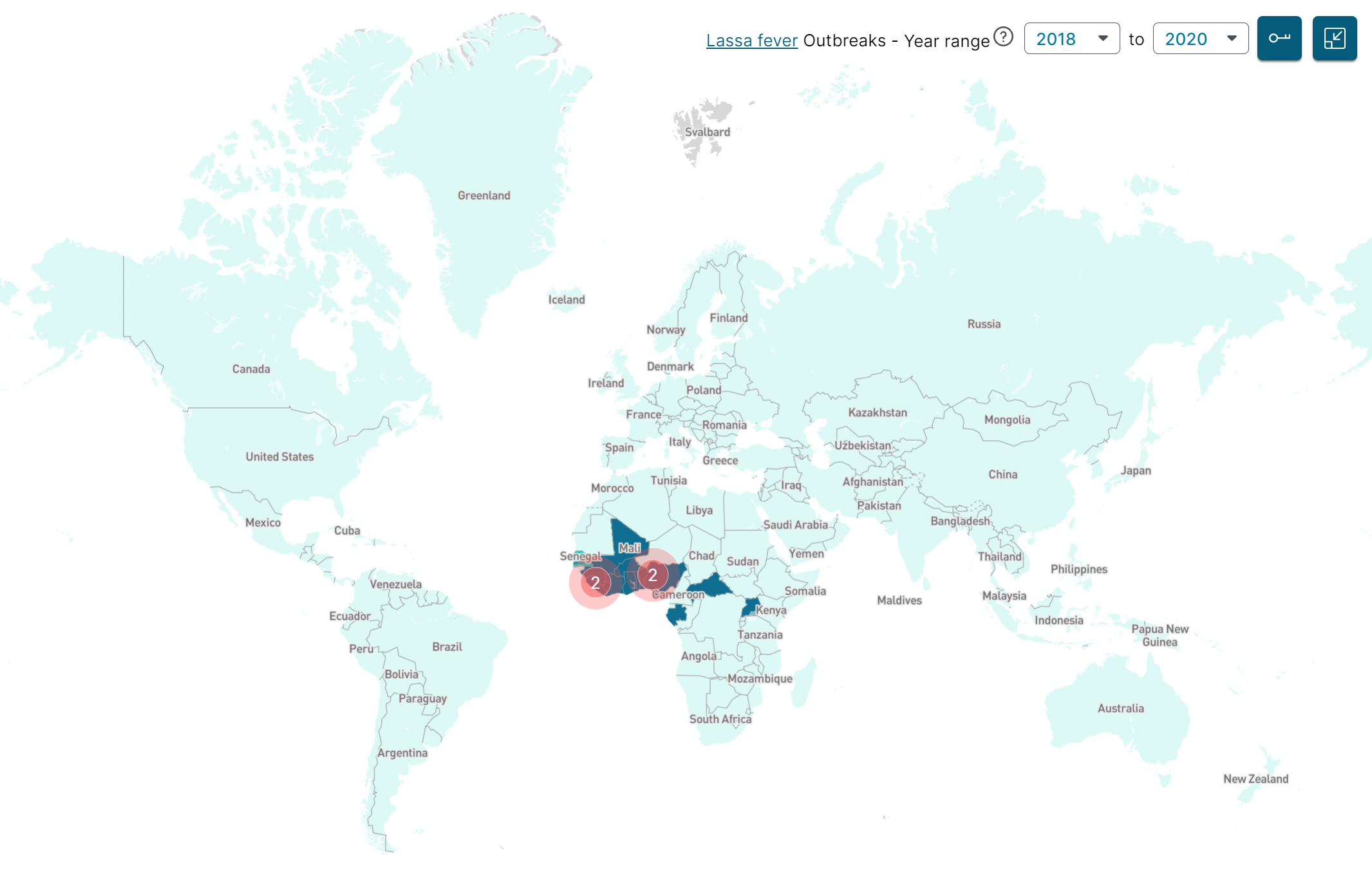
Lassa Fever outbreaks map 2018-2020
Recent outbreaks map, 2018-2020, GIDEON


Did you like this article? Share it on social media!
Find more great content here

Want to learn more? We’ve got the eBook for you! Check out the 2020 edition of  Lassa and Lujo Fevers: Global Status

GIDEON Sign In