GIDEON blog

Free Demo ► Latest Updates ► Video Tutorials ►
Subscribe , j x

Dr. Berger On Face Shields: Are They Functional or Just Fashionable?

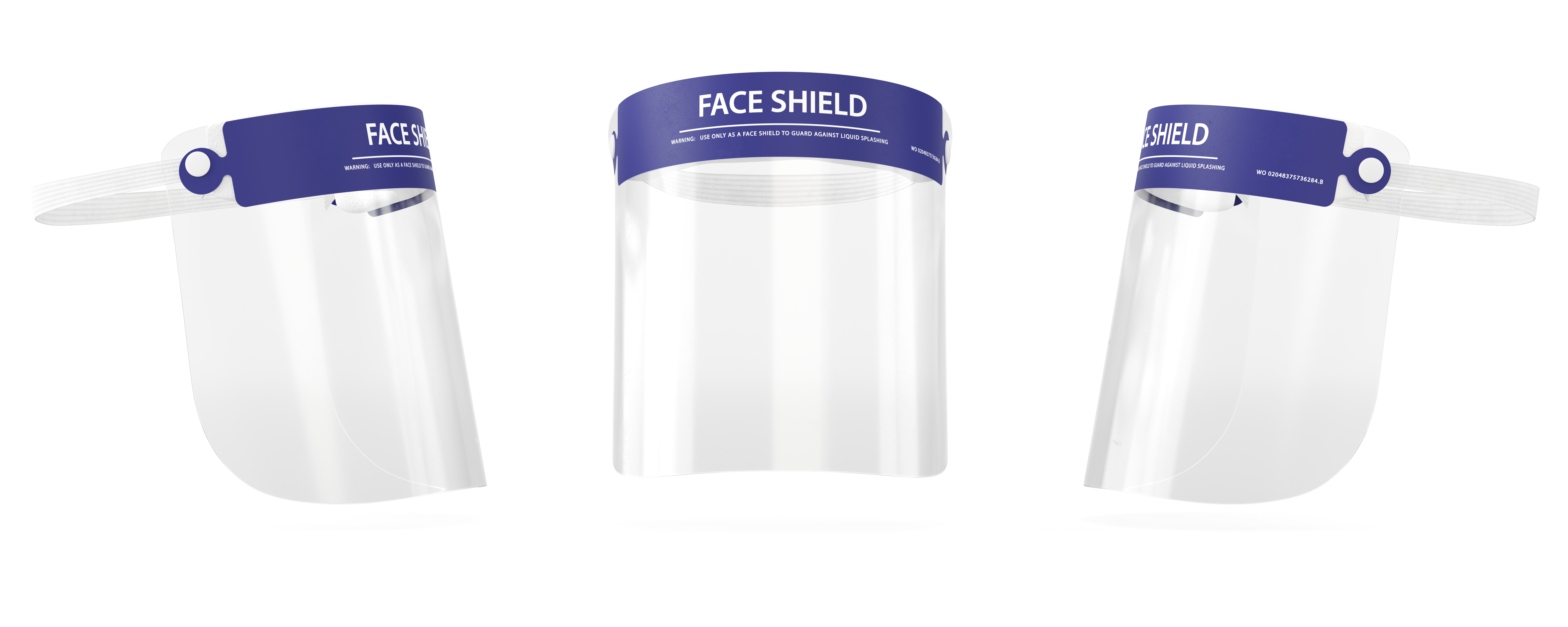
Face shield 3D medical visualization, Surgical equipment

Plastic face shields, or now “COVID visors,” are one piece of PPE still questionable as to how effective and necessary they are at protecting against the virus. 

Unlike fabric face masks which are recommended by the CDC (Centers for Disease Control and Prevention) in many situations and settings, there are no official guidelines or suggestions for wearing face shields. 

This begs the question: are face shields merely just in fashion at the moment – with many style influencers on social media sporting them — or are they actually functional? 

GIDEON Founder, Dr. Stephen Berger, answers questions about face shields for a recent article in InStyle magazine. 

“Theoretically, the virus of COVID-19 could arrive at the eyes and travel down through our tear ducts into the nose and throat,” says Dr. Berger. In this scenario, a face shield could protect the eyes from infected respiratory droplets potentially entering the body. 

However, there is still little to suggest that someone going about their everyday business would need to wear one. A protective fabric mask that fits snuggly over the mouth and nose is still the better option. “Plastic visors and shields do not filter air, and at most, prevent larger droplets of infectious material from arriving at our face directly,” Dr Berger explains. 

Additionally, face masks could lend a sense of false security with the wearer getting too close to someone else or feeling confident in attending large gatherings which are still considered unsafe. 

To help prevent the spread of the disease, the best protection remains wearing a cloth face mask, social distancing, and practising good hand hygiene.

Medical experts concede that the few instances when it may be helpful to wear a face shield are when working out and it is difficult to breathe in a tighter mask, or when it is necessary for someone who is hearing impaired to read lips and see facial expressions. 

The full article from InStyle is available here.  

And don’t forget to follow us on Twitter, Facebook, and LinkedIn. We’ve got exciting updates about our new interface!

Dining Out Amid COVID-19: Dr. Berger speaks with Healthline

Family dining in a restaurant with face masks on

Missing dining out in your favorite restaurant? As businesses have begun to reopen, many are wondering if it is safe to eat out again.

GIDEON Founder and infectious disease and microbiology specialist, Dr. Stephen Berger, recently answered questions about safe dining amid COVID-19 for Healthline. 

One of the most important things to take into consideration, Dr. Berger says, is whether a restaurant is set up for safe social distancing and keeping the designated six-foot separation between tables. 

Also, he says, “before sitting down and asking for a menu, check to confirm that the restaurant staff is wearing masks and that these masks cover their noses and mouths.”

Dr. Berger reminds those venturing to dine out that any number of objects found in a restaurant could potentially be contaminated with the virus–such as tablecloths, menus, salt shakers, credit card machines, chairs, and doorknobs—but it is only harmful if it then gets into the body. Scrupulous attention to basic hygiene (handwashing and sanitizing) before and after eating must be followed. 

Other ways you can check if a restaurant is working hard to keep the spread of the virus to a minimum are if they offer disposable menus and silverware, hand sanitizer for guests, contactless payment, and strictly adhere to limited seating.  

Finally, Dr. Berger suggests it might be better to opt for a table outside if possible, or a spot that is “large, open, and ventilated.” 

You can read the entire article in Healthline here. 

And don’t forget to follow us on Twitter, Facebook, and LinkedIn. We’ve got exciting updates about our new interface!

Do gloves protect you from COVID-19?

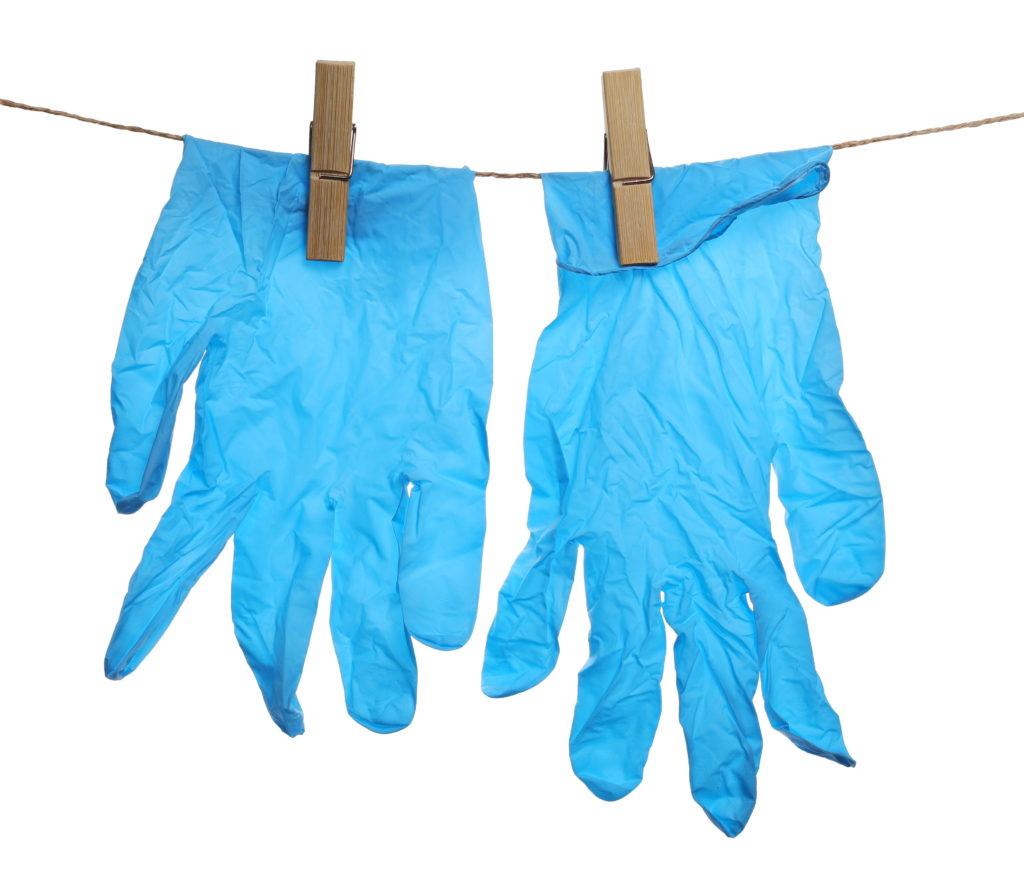
Can gloves protect you from COVID-19? Blue surgical gloves hanging on clothesline string with clothespinThere have been many recommendations set forth over the past few months by the CDC (Centers for Disease Control and Prevention) on wearing face masks to prevent the spread of COVID-19. Gloves have also been suggested as a way of preventing the spread, there are no official recommendations on wearing them.

Because the virus is transmitted via respiratory droplets and not through the skin, the jury is still out on whether or not gloves are beneficial at all. 

Our co-founder and infectious disease expert, Dr. Stephen Berger, recently commented on the efficacy of gloves for an article in InStyle magazine. He says “there is no evidence that gloves can protect us from acquiring COVID-19.”

Dr. Berger adds that, if anything, they are more likely to prevent someone from passing the virus to others rather than protecting one’s self from getting it. 

It is also important to remember that wearing gloves can potentially promote a false sense of security in the event you touch something thinking it’s safe while wearing them and then inadvertently touch your face.

Along with Dr. Berger, most medical experts agree that gloves are not necessary unless you are an essential worker (perhaps somewhere like at a grocery store) or a medical professional. 

Frequent and thorough hand washing is still recommended as the best defense against the virus, but for those who still want to cover their hands, some tips for best use include: 

1. Opt for disposable latex versions and throw them in the trash after each use. 

2. Wait until the last possible moment to put gloves on before going out. 

3. Minimize touching your face while wearing gloves. 

You can read the entire article from InStyle here.

And don’t forget to follow us on Twitter, Facebook, and LinkedIn. We’ve got exciting updates about our new interface!

First alpha testing is complete!

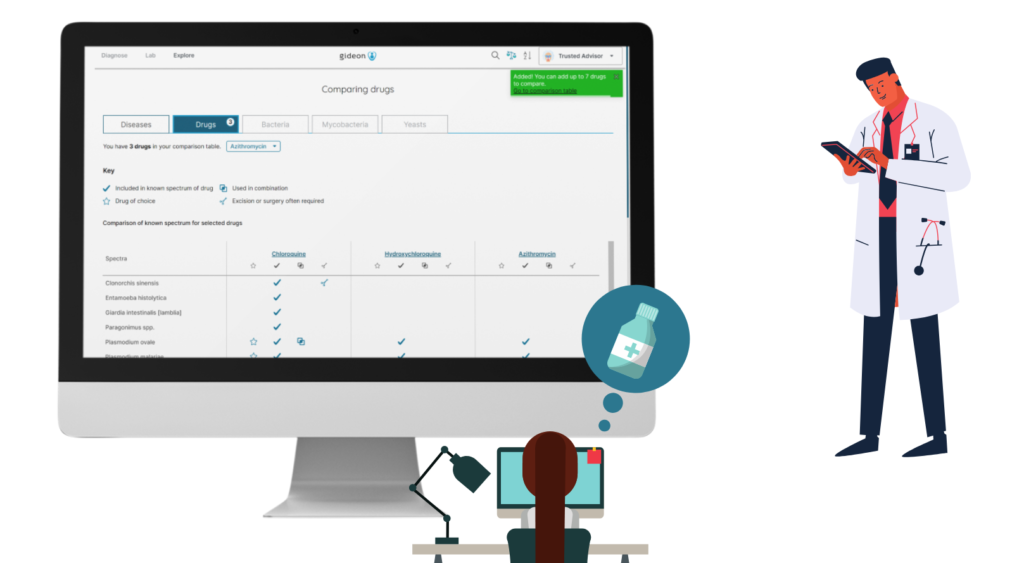
Male doctor and female researcher testing GIDEON app

It takes a lot of courage to share a vision with users and critics, but the GIDEON team is in no short supply of that. In our recent alpha testing round, we opened up our brand new interface to medical experts from 25 countries who have very kindly shared their feedback on our successes and shortcomings.

What is alpha?

Quite simply, it is an early release of a major product upgrade. Our first alpha testing round focused on the display of our extensive database in a brand new ‘Explore’ module.

How did we do it?

We opted for feedback gathering mechanisms that support user independence and anonymity. This is different from a focus group, which is prone to leaving some opinions unheard. 

Our Trusted Advisors were a diverse bunch, consisting of 80+ medical professionals – from seasoned experts to students. Some testers have never seen our product before and others have been using GIDEON for years. 

The experience was scary, exciting, and necessary. We cannot thank our Trusted Advisors enough for their insight and valuable time spent exploring our new interface. The feedback has empowered a fruitful fine-tuning exercise, so if you are one of our testers – be sure to check out the implementation of your suggestions in the second alpha release!

Feedback

We are beside ourselves in anticipation of the release of the new interface (date to be confirmed soon) and based on the early feedback we know you are going to love it.

Here is a small sample of the comments we received:

“This is a huge improvement. I very much like the general concept. The dark mode is also very nice.”

“Comprehensive.”

“Amazing work! So informative and pleasant to use.“

“Disease comparison is great. What a useful way to compare a differential!”

“I very much like the ‘fingerprint’ search concept for diseases.”

“The interface is easy to use.”

“Maps are amazing!!“

“Thoughtful, cohesive design.“

“Links to references are very useful.”

What’s next?

We cannot wait to share this new experience with you all. It’s the same GIDEON data that you know and love, but like you’ve never seen before. 

If you are interested in a Bayes-powered Differential Diagnosis that uses one of the most impressive geographical medicine data sets in the world, sign up to test the all-new DIAGNOSE module. The second alpha is just around the corner!

Become our trusted advisor

Estimating the True Case-Fatality Rate of COVID-19

For several months, we have been inundated by reports summarizing incidence and mortality data for COVID-19, on both the national and global level. In a previous ProMED post I cautioned that “reported cases” cannot be equated with “total cases” without inclusion of individuals with asymptomatic of sub-clinical infection that do not seek medical care. [1] If a large segment of the population is found to be seropositive, we might conclude that the true case-fatality ratio of COVID-19 is lower than official data might suggest. A seroprevalence study reported this week seems to provide solid evidence that this is the case. [2]

A national survey of individuals identified IgG antibody toward SARS-CoV-2 in 5.0% of the general population of Spain. At the stated specificity of 100% and sensitivity of 98%, the true seropositivity may be estimated at 5.15%. Although factors which determine seroprevalence rates in Spain need not apply to other countries, the following chart extrapolates the potential impact of a 5.15% population seroprevalence on case-fatality data from high-incidence countries in the European Region, United States and China. [3]

The impact of future SARS-CoV-2 seroprevalence surveys will largely depend in the quality of the test itself, the duration of immunity and protective role of the antibody, possible emergence of newer strains of coronavirus, and other factors. In any event, additional seroprevalence data will play a key role in planning our response to this pandemic going forward.

COVID-19 Reported vs. Estimated cases

Country Reported cases % of population Reported Deaths CFR (%)* Estimated cases** Estimated CFR (%)***
Belgium 55,280 0.48% 9,052 16.4 596,548 1.52
China 82,947 0.0058% 4,634 5.6 74,125,174 0.0063
France 179,569 0.28% 28,108 15.7 3,360,686 1.14
Germany 176,651 0.21% 8,049 4.6 4,313,197 0.19
Israel 16,617 0.19% 272 1.6 444,866 0.061
Italy 225,435 0.37% 31,908 14.1 3,114,329 1.02
Spain 277,719 0.59% 27,650 10 2,407,759 1.14
U.K. 243,695 0.35% 34,636 14.3 3,493,878 0.99
U.S.A 1,527,664 0.46% 90,978 6 17,034,349 0.53

* CFR = deaths / cases X 100
** True number of cases based on population seroprevalence of 5.15%
*** Adjusted CFR = deaths / estimated true cases X 100

References

  1. ProMED – What’s the denominator 20200228.7035438
  2. ProMED – Spain: seroprevalence study 20200516.7342334
  3. https://www.worldometers.info/coronavirus/ (status as of May 17)

Can Cell Phones Carry COVID-19?

spray disinfecting phone from germs and viruses

It’s long been known that cell phones can carry a multitude of germs, bacteria, and different forms of fungi. With the arrival of the COVID-19 virus, it begs the question if it too can live on the surface of a phone and subsequently be transmitted to another person. 

A compilation of studies from across 24 countries over the past 13 years indicates that it is a very likely possibility. 

Although COVID-19 was not included in any of these original studies, the rapid rate at which it has spread throughout the world, and the increased and ever-growing physical attachment that people have to their cell phones, leads researchers to believe that phones could in fact harbor the virus. 

Our co-founder, Dr. Stephen Berger, who is double board-certified in infectious disease and microbiology, recently commented on this topic for an article in HealthDay. 

“Cellular phones are ideal vehicles for the virus of COVID-19,” he agreed. “They are repeatedly exposed to material exhaled from our mouth and nose and spend literally hours in our rather filthy hands. Viruses of this type are known to survive on plastics and stainless steel for two to three hours; on aluminum for two to eight hours, on cardboard and paper for up to 24 hours, and ceramic or glass for up to five days.”

While many experts suggest wiping down your phone frequently with a disinfectant and abstaining from sharing your phone with others, Dr. Berger says that it is our hands and not the phones that merit the extra attention when it comes to disinfecting. 

“Whenever these and other objects in our daily life are examined in the laboratory, a veritable ‘zoo’ of bacteria, parasites, fungi, and viruses are discovered. But the common denominator for all of these is the human hand that touches them, and then goes to our mouth or nose.”

Keeping your phone clean may help limit exposure to the virus, but even more helpful is to keep your hands clean with frequent washing and then away from your face as much as possible. 

You can read the entire article here. 

Did you like this article?  Find more of our latest content here

And don’t forget to follow us on Twitter, Facebook, and LinkedIn. We’ve got exciting updates about our new interface!

Why Some Countries Have Fared Better in Fighting COVID-19

World map with an outbreak marker indicating COVID-19

There are more than 1.2 million confirmed cases of COVID-19 in the United States right now with nearly 80,000 related deaths on record. This number is greater than a quarter of the total deaths suffered worldwide. 

What has America gotten wrong in its response to the deadly virus, and what have other countries done right?  

New Zealand, South Africa, and Vietnam—even sharing a border with China where the virus originated —all have experienced relatively few cases and minimal deaths from COVID-19. 

Our co-founder and infectious disease expert, Dr. Stephen Berger shared his thoughts for a recent article in Healthline as to why these countries might be faring better than others.

“All three countries have a coordinated, nationwide, centrally planned response as well as travel restrictions, both domestic and international,” said Dr. Berger.  

Elements of each country’s response that likely have contributed to their success in keeping the virus at bay include:

  • Speed: rapid response to the situation in closing borders immediately, implementing full lockdowns, and requiring that masks be worn right away
  • Aggressive enforcement: all three countries have been stern in enforcing these regulations with government assistance and even military intervention 
  • Testing: meticulous attention devoted to testing and then contact tracing as to following where someone infected has traveled  

Additionally, South Africa and Vietnam have been able to draw on their past experiences with such deadly diseases such as HIV infection, Tuberculosis, and SARS.

Experts agree that early and swift action is key to a country’s success in fighting any deadly virus. “Trying to play catch-up is always more difficult than heading things off early on,” says Dr. Berger.

You can read the entire article here. 

And don’t forget to follow us on Twitter, Facebook, and LinkedIn. We’ve got exciting updates about our new interface!

Antibody vs antigen testing

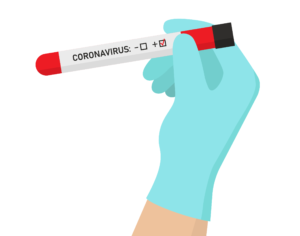
Coronavirus testing. Hand holding a tube with 'coronavirus' written on it.

Our co-founder and infectious disease expert, Dr. Stephen Berger, recently explained the differences between diagnostic, antibody, and antigen testing for the virus in Business Insider. 

Not sure what are antigens vs antibodies? Find out in less than 3 minutes here.

  • Diagnostic test: conducted via a nasal or throat swab; best suited for someone with severe symptoms; results may take several days or even weeks to become available. 
  • Antibody test: taken via a blood sample; confirms if you had a previous infection of the virus, but may not detect if it is still in your system as it generally takes 14 days following symptoms for antibodies to appear; does not determine if you will get the virus again; can help track where the virus has spread and monitor fatality rates if conducted over a widespread area. 
  • Antigen test: quickly registers antigens to the virus (or certain molecules that help evoke an immune response to something foreign in the body, such as a virus); results are ready in a shorter time; may potentially become a more efficient and affordable option for testing in the future.

“The presence of COVID-19 and many other viruses in patient specimens can be confirmed using these antigen tests, usually within minutes to hours,” Dr. Berger told Business Insider. 

Although these antigen tests are not yet currently on the market, they are in development right now. The speed at which they can detect the virus, as well as the possibility of at-home antigen test kits, making them an attractive option as we continue to face COVID-19. 

You can read the entire article here.  Learn more about antigens vs antibodies here.

Check out our latest content

And don’t forget to follow us on Twitter, Facebook, and LinkedIn. We’ve got exciting updates about our new interface!

Is it Safe to Go Back to the Gym? Dr. Berger talks to Shape.com

Illustration of two females exercising in a gym

Many states are relaxing their stay-at-home guidelines, which includes opening up fitness facilities to the public again.  Most must operate under a limited capacity, enhanced cleaning and sanitation practices, and use signs and floor markers to ensure social distancing. But the big question is whether it’s safe to go back? Experts warn social distancing may not be so easy at a gym.

“A gym is just another venue in which disease can be passed from person to person, and the risk of contracting COVID-19 might increase there, where group sports and games require close personal contact,” our co-founder and infectious disease specialist, Dr. Stephen Berger explained to Shape.com

“The fact that you might be young and healthy won’t affect your chance of becoming infected; it will really only increase your chances of surviving an infection without severe or fatal consequences.”

Similarly, if you’re in a region where local officials are mandating or strongly urging residents to wear face masks or other facial coverings in public, the gym is not exempt from those guidelines, notes Dr. Berger.

You can read the entire article here.

And don’t forget to follow us on Twitter, Facebook, and LinkedIn. We’ve got exciting updates about our new interface!

COVID-19 and Fame

Ask anybody on the planet, “What do Tom Hanks, Boris Johnson, and Prince Charles have in common?” and they will instantly shout – “Corona.”

Ask these same people, “Who were the three Prime Ministers that died of Coronavirus last month?” Few will respond, “Well…there was Nur Hassan Husein from Somalia, Mahmoud Jabril from Libya and Joachim Yhombi-Opango from Congo – who died (respectively) in London, Cairo, and Paris.”

As of May 4, no fewer than eleven movie stars had contracted COVID-19, nine with fatal results. Other victims include retired Commanders of the Turkish and Polish Armies, a well-known rapper, and a mafia hitman. Almost half of the famous COVID-19 victims have been athletes, not surprisingly from countries that report unusually high rates of infection (see list below).

History is largely written in the lives of famous disease victims. The “black death” of 1348 claimed only eleven well-known people, including the King of Spain, the Royal Consorts of England and France, four famous painters, and two Archbishops of Canterbury. In contrast, 62 famous people died during the “Spanish Influenza” pandemic, accounting for 39% of known causes of death in this population from 1918 to 1920!

COVID-19 in Athletes

  – fatal
  – soccer
– American football

– basketball

– cricket

Argentina

Ezequiel Garay 

Brazil

 Jonathas de Jesus

Denmark

 Thomas Kahlenberg

 Peter Madsen

England

 Callum Hudson-Odoi

 Norman Hunter 

 John Rowlands 

France

 Eliaquim Mangala

 Arnold Sowinski 

Gambia

 Omar Colley

Germany

 Jannes Horn

 Timo Hubers

 Luca Kilian

 Fabian Nurnberger

 Stefan Thesker

Italy

 Zaccaria Cometti 

 Fabio Depaoli

 Innocezo Donina

 Alessandro Favelli

 Luciano Federici 

 Manolo Gabbiadini

 Antonino La Gumina

 Daniele Rugani

 King Udoh

Netherlands

 Henk Overgoor

Norway

 Morten Thorsby

Pakistan

 Zafar Sarfraz   

Poland

 Bartosz Bereszynski

Serbia

 Dusan Vlahovic

Somalia

 Mohammed Farah

South Korea

 Hyun-jun Suk

Spain

 Baldiri Alavedra

 Mikel Arteta

 Goyo Benito

 Jose Luis Capon

 Jose Luis Gaya

 Benito Joanet

 Miguel Jones

Sweden

 Albin Ekdal

United States

 Tom Dempsey

 Rudy Gobert

 Orlando McDaniel

 Donoval Mitchell

 Christian Wood

GIDEON Sign In